

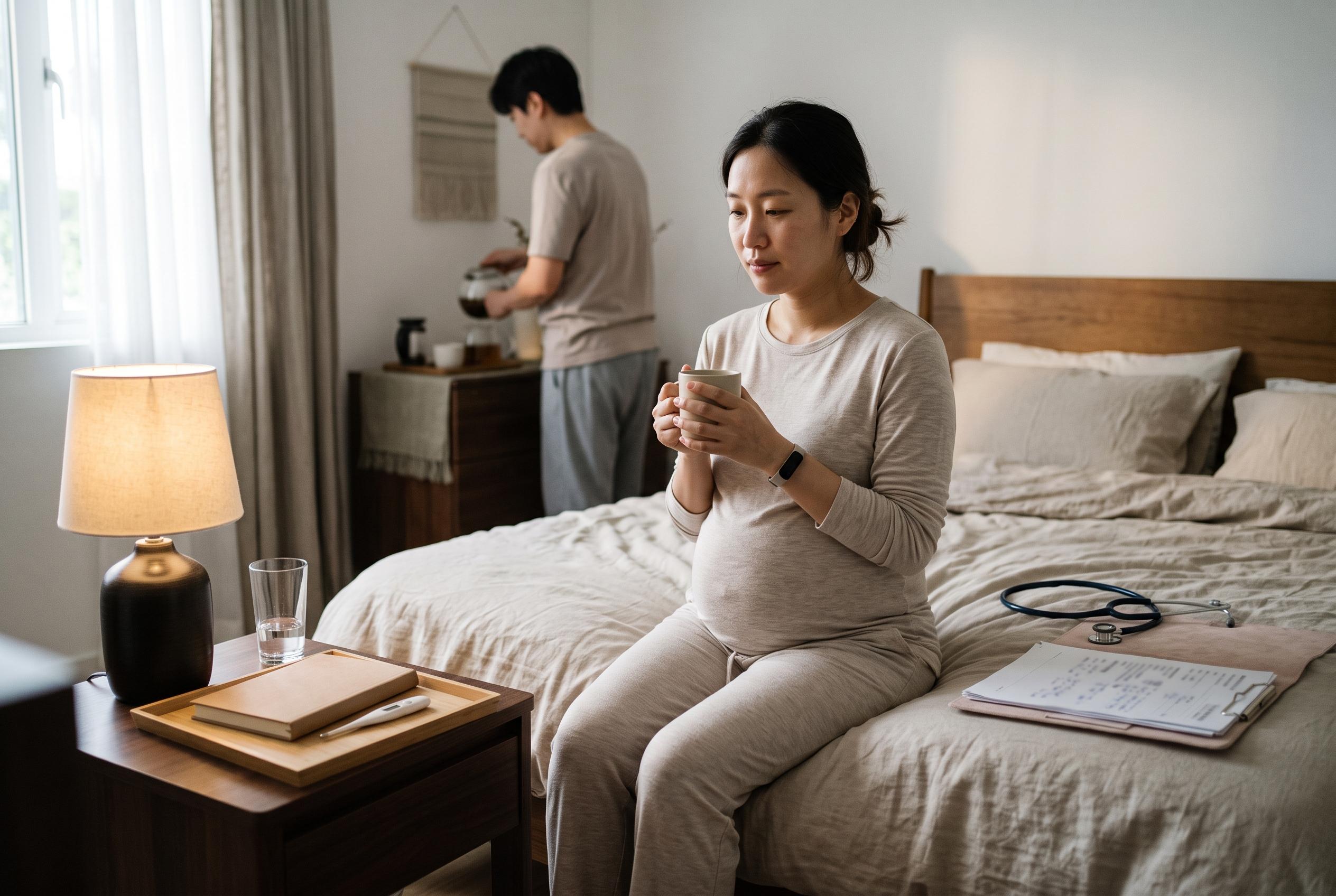

A large-scale South Korean study finds that women diagnosed with sleep disorders before or during pregnancy are more likely to have children later diagnosed with neurodevelopmental conditions, highlighting the importance of sleep in preconception and prenatal care.
A major South Korean cohort study suggests that sleep disorders diagnosed in women before or during pregnancy are associated with a higher likelihood of neurodevelopmental diagnoses in their children later in life. The research, published in the Journal of Clinical Sleep Medicine and based on almost two million births, adds to a growing body of evidence that maternal health in the period before conception and throughout gestation may shape a child’s long-term development in ways that are only beginning to be understood.
The findings are notable for their scale. Researchers working with national insurance data followed children born in South Korea between 2008 and 2012 and tracked diagnoses for years afterwards. By separating sleep disorders that were already present before pregnancy from those first identified during pregnancy, the study attempted to distinguish between chronic sleep problems and those that emerged after conception. That distinction matters because sleep disturbance can reflect different underlying biological pressures, from persistent insomnia to sleep-related breathing disorders such as obstructive sleep apnoea and movement disorders including restless legs syndrome.
Among the children studied, those whose mothers had a recorded sleep disorder were more likely to receive later diagnoses linked to neurodevelopmental conditions. The association held after statistical adjustment for a range of maternal and obstetric factors, and it was strongest when the sleep disorder pre-dated pregnancy. The pattern does not prove cause and effect, but it does suggest that maternal sleep may be a meaningful marker of risk rather than a trivial background detail. Earlier research supports the idea that sleep problems in families often interact in both directions: a study in the Journal of Pediatric Health Care found that many mothers raising children with developmental disabilities sleep too little and wake repeatedly during the night, largely because of caregiving demands, while other studies have shown that children’s sleep and behaviour difficulties can worsen maternal sleep and psychological well-being.
The broader literature also helps explain why clinicians are paying closer attention to sleep in neurodevelopmental care. A recent review in the Journal of Neurodevelopmental Disorders noted that sleep disturbances are common in conditions including autism spectrum disorder, Rett syndrome and Down syndrome, and that they arise from a complex mix of genetic, neurological and environmental factors. Other studies have found that children with autism and developmental delays have higher rates of sleep problems than typically developing peers, reinforcing the view that sleep and neurodevelopment are closely entwined across childhood and into family life.
Taken together, the evidence points to a two-way relationship in which sleep problems may be both a contributor to and a consequence of developmental difficulties. For parents and clinicians, the practical message is clear: sleep deserves more attention in preconception and prenatal care, not only for the mother’s health but potentially for the child’s long-term neurological development as well. Further research will be needed to confirm whether treating sleep disorders before or during pregnancy can reduce risk, but the South Korean findings strengthen the case for screening and early management as part of routine maternal care.
Disclaimer: This content is for informational purposes only and is not intended to be a substitute for professional medical judgment, advice, diagnosis, or treatment.



