

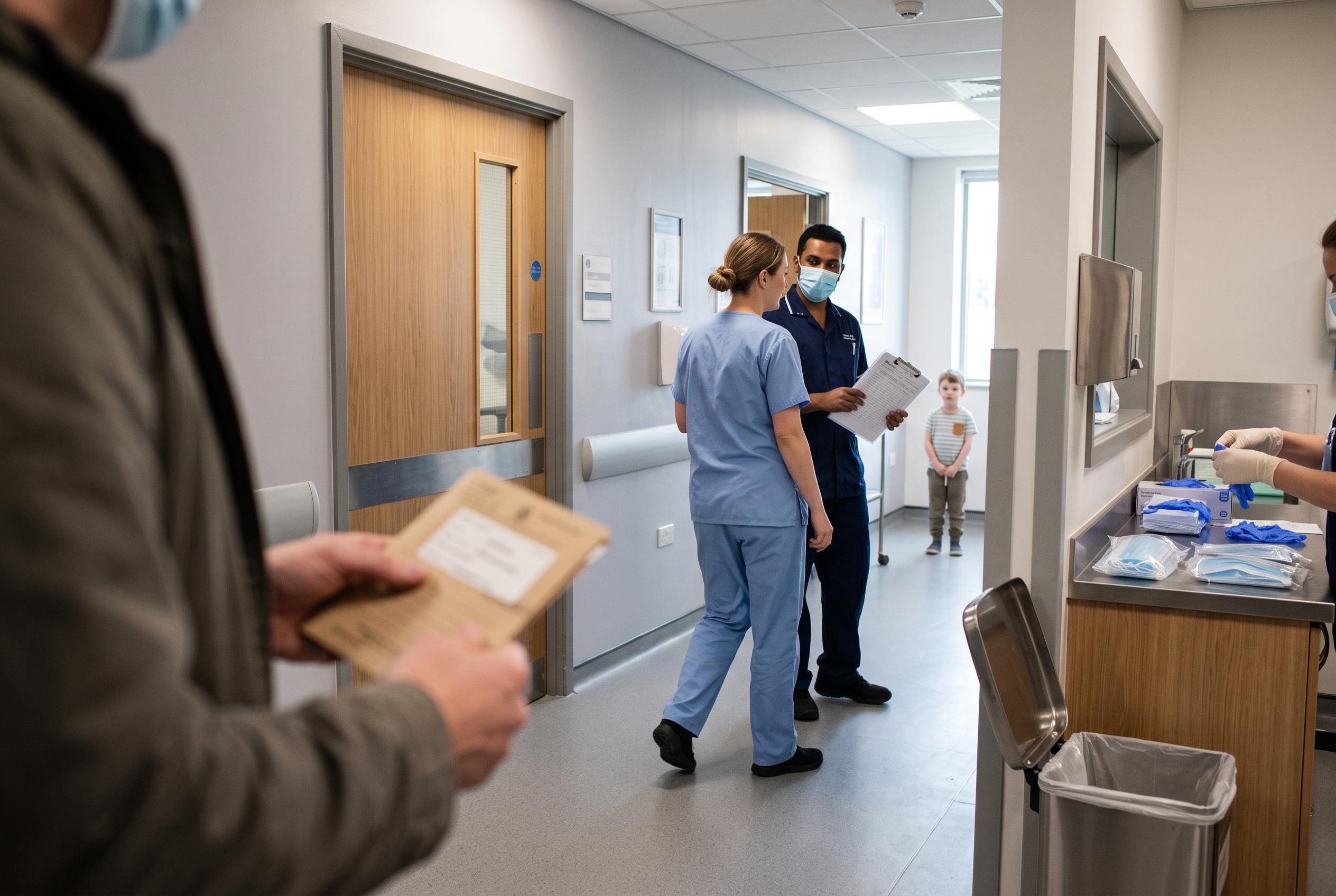

A visitor with measles potentially exposed patients and staff at Philadelphia’s Children’s Hospital amid Pennsylvania’s largest outbreak in decades, raising urgent questions about infection control and vaccine coverage.
A visitor with measles who travelled through the Children’s Hospital of Philadelphia last week may have exposed patients, families and staff to one of the most contagious viruses known, as Pennsylvania’s outbreak continues to widen and deepen. Health officials said the person moved through the neonatal intensive care unit, a family lounge, an atrium and a cafeteria on 11 September, prompting urgent tracing and guidance for anyone who may have been in those areas, according to the hospital and city health authorities.
CHOP said it moved quickly after learning of the exposure, identifying babies who might have been at risk and offering preventive treatment where appropriate. Julia Sammons, vice president and associate chief medical officer for CHOP’s Office of Preparedness, Prevention and Response, said the hospital was working closely with families in the NICU and with state and city health departments on testing, quarantine and contact tracing. The hospital also said it had isolated exposed patients and was monitoring them for symptoms.
The incident lands against the backdrop of the state’s worst measles outbreak in more than three decades. Pennsylvania health officials later said the number of confirmed cases had risen to 835 across 39 counties by 23 September, with the state also reporting a fifth measles-associated death. Earlier figures released during the week put the total at 767 cases, and health officials had already confirmed four deaths. Nationally, the outbreak has become the country’s largest this year, and experts say the scale of transmission has forced hospitals to plan for situations that once seemed remote.
At CHOP, the exposure has also sharpened attention on infection control in settings where the youngest and most vulnerable patients are concentrated. Ericka Kalp, who directs Drexel University’s infection prevention and control academic programmes, said hospitals have had to treat measles as a live operational threat, not a theoretical one. “Measles has been up and coming. It’s definitely on the radar of hospitals,” she said. “Your risk has increased when you have multiple measles cases within your vicinity.” She added that visitors can spread the virus before the telltale rash appears, which makes screening difficult even in highly controlled environments.
Public health officials and clinicians say the main answer remains vaccination. CHOP said it has stepped up education for families, improved measles screening and is offering early MMR doses to eligible children, following state recommendations. The hospital also said it is strengthening contingency plans for wider community transmission. Sarah Long, a paediatric infectious disease physician, said hospitals can give immunoglobulin, an antibody-rich treatment made from donated plasma, after exposure in some infants. But she warned that outbreaks create heavy demands on staff and resources, from isolation precautions to protective equipment, and said the current surge, fuelled in part by vaccine hesitancy, is especially troubling for infants and other children who cannot be vaccinated themselves.
Disclaimer: This content is for informational purposes only and is not intended to be a substitute for professional medical judgment, advice, diagnosis, or treatment.



