

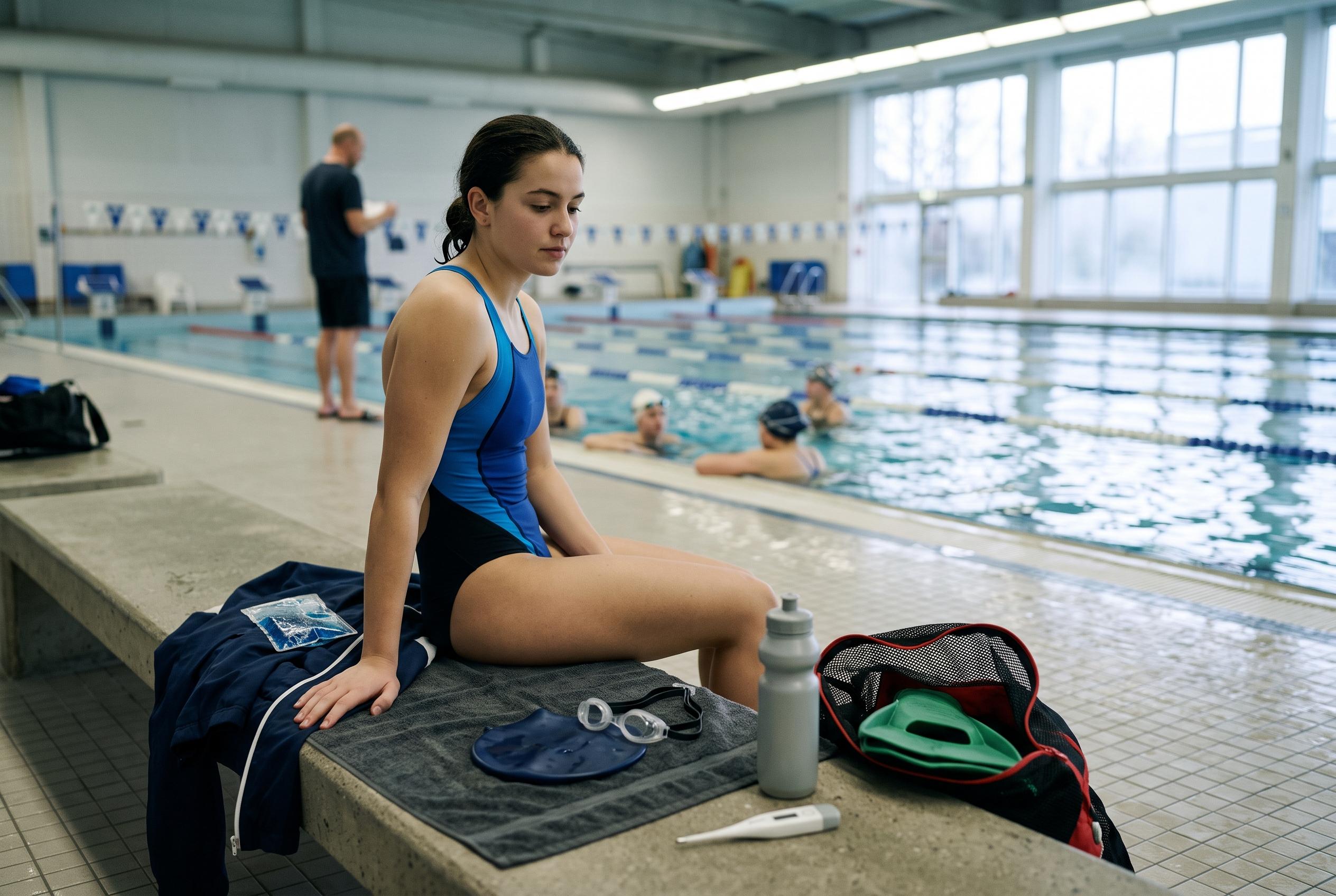

Balancing recovery and performance remains a delicate challenge for swimmers, with the decision to rest often overlooked amid team pressures and health risks. Experts emphasise that knowing when to pause can be more disciplined than pushing on.
Swimmers are taught early that discomfort is part of the job. Before dawn practices, cold water, sore muscles and the urge to quit are all familiar tests of commitment. But, as the Swimming World Magazine essay argues, the harder question is not whether an athlete can endure a tough session. It is how to tell when the body is asking for rest rather than merely protestsing against training. The piece frames that judgement as one of the sport’s most awkward and under-discussed decisions.
That tension matters because illness in athletes is not always dramatic or obvious. According to the Centres for Disease Control and Prevention, swimming-related illness can range from stomach bugs and skin rashes to ear infections and irritation of the eyes or lungs, while diarrhoea is a clear reason to stay out of the water. Healthline likewise notes that symptoms above the neck, such as a runny nose or mild sore throat, may not automatically rule out light exercise, but fever, body aches, chest congestion and other symptoms below the neck are a stronger signal to stop.
For swimmers, that distinction can be especially difficult because training culture often rewards persistence. The Swimming World Magazine essay describes the guilt many athletes feel when they miss practice, even when rest would be wiser. That pressure can be intensified in team environments, where athletes may feel they need a visible or medically confirmed reason to sit out. A cough, headache, nausea or lingering fatigue can seem less legitimate than a fever or injury, even when those subtler symptoms are enough to undermine performance and recovery.
Public-health guidance also points to the practical risks of ignoring illness around pools. Healthline says common pool germs can include Cryptosporidium, E. coli and Legionella, which may lead to stomach illness, ear infections, skin complaints and breathing problems. The CDC advises swimmers to avoid swallowing pool water and to keep away from the pool when they have diarrhoea, underscoring that rest is not only a personal recovery tool but also part of protecting teammates and others in the water.
Sports medicine advice is generally consistent on the wider question of exercise while ill: start conservatively, pay close attention to symptoms and do not rush back to full intensity. U.S. Masters Swimming says a mild cold may allow for swimming if symptoms remain above the neck, but fever, muscle aches or chest congestion should prompt rest. Sportygram similarly advises a gradual return after illness rather than a sudden jump back into hard training. Taken together, the guidance supports the article’s central point: toughness is not just about pushing through. Sometimes it is about knowing when stopping is the more disciplined choice.
Disclaimer: This content is for informational purposes only and is not intended to be a substitute for professional medical judgment, advice, diagnosis, or treatment.



