

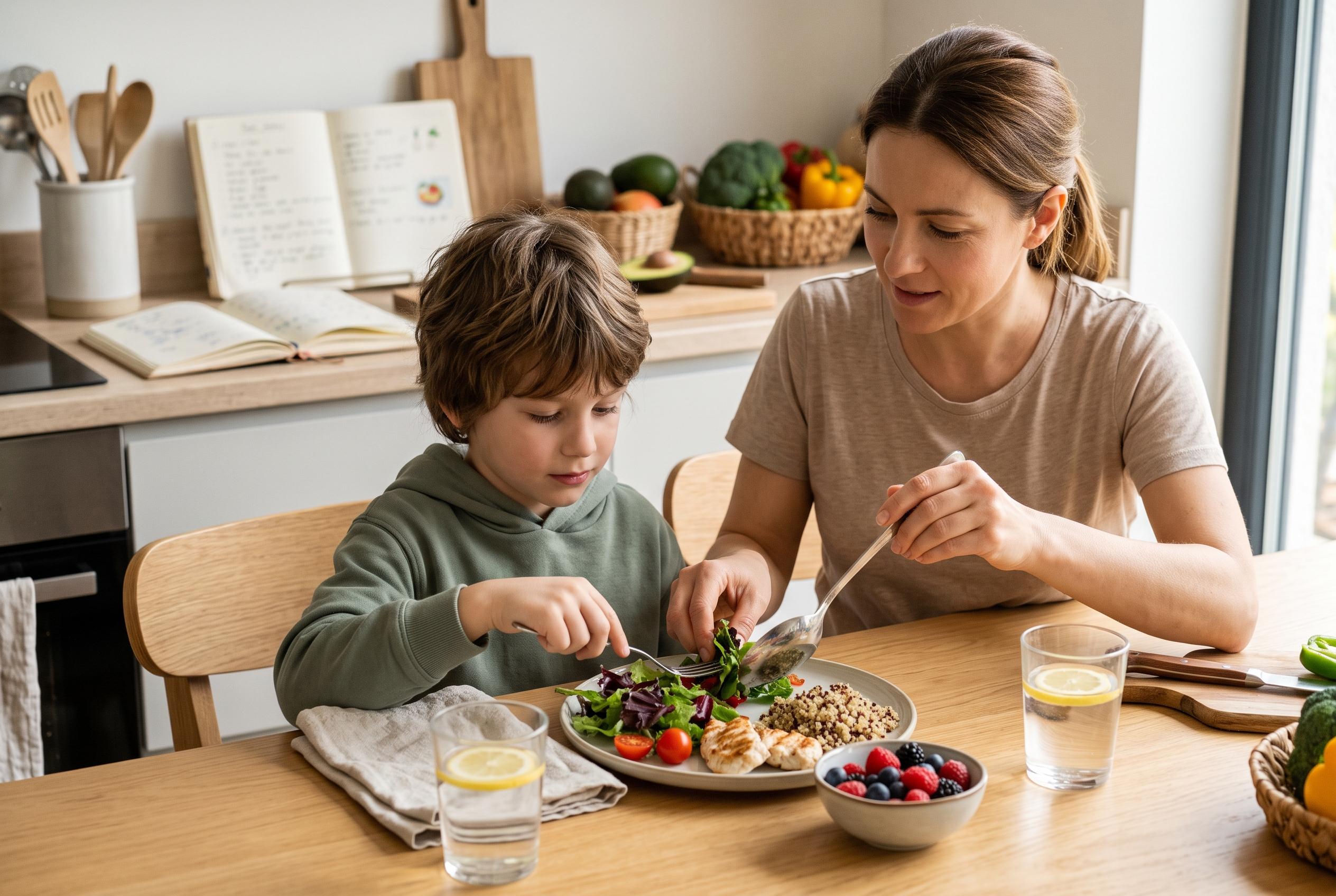

As GLP-1 medicines like Saxenda and Wegovy are increasingly prescribed to young people for weight control, experts emphasise the importance of early dietary guidance to prevent nutritional deficiencies amid appetite-lowering side effects.
Some children and teenagers are now prescribed GLP-1 medicines for weight management, but the appetite-lowering effect that makes these drugs useful can also make everyday nutrition harder to maintain. Malina Malkani, a paediatric dietitian, argues that families should treat food intake as part of the treatment plan from the start, not as an afterthought once problems appear.
According to the article, liraglutide, sold as Saxenda, and semaglutide, sold as Wegovy, are approved in the United States for chronic weight management in some adolescents aged 12 and older. They are meant to be used alongside nutrition, physical activity and behavioural support, not as a substitute for those measures. Because these medicines can make children feel full sooner, or cause nausea, vomiting or constipation, even a child who is eating less for a good reason may still miss out on energy, protein and key micronutrients needed for growth.
That concern is reinforced by research highlighted in the piece and by a report from Lurie Children’s Hospital, which says a study in the journal Childhood Obesity found that 16.8% of 2,031 children and adolescents aged 10 to 17 who started a GLP-1 medicine had a documented nutritional deficiency or related complication within a year. Vitamin D deficiency was the most common, affecting 12.4% of patients, while nutritional anaemia was also recorded. The same study found that only 23.3% of children had a nutrition therapy or counselling visit within six months of starting treatment, suggesting many young patients are not getting early dietary support.
Experts quoted in the broader coverage caution that the figures do not prove the medicines caused the deficiencies. The claims-based study did not directly measure what children ate or their actual nutrient levels, so some youngsters may have already had gaps in their diets before treatment began. Still, the findings point to a practical risk: when appetite drops during a period of rapid growth and puberty, children may struggle to meet needs for protein, iron, calcium and vitamin D unless meals are adjusted thoughtfully.
The article recommends a more proactive approach rather than a rigid “GLP-1 diet”. That means regular meals and snacks, nutrient-dense foods in smaller portions, and close attention to side effects that make eating uncomfortable. A registered dietitian can help families choose protein sources a child will actually eat, make the most of each bite, and decide whether a supplement is warranted. The American Academy of Pediatrics has also said children receiving GLP-1 medicines should be guided on portion sizes, meal patterns, protein-rich foods and ways to handle gastrointestinal side effects, reinforcing the case for nutrition counselling early in treatment.
Disclaimer: This content is for informational purposes only and is not intended to be a substitute for professional medical judgment, advice, diagnosis, or treatment.



