

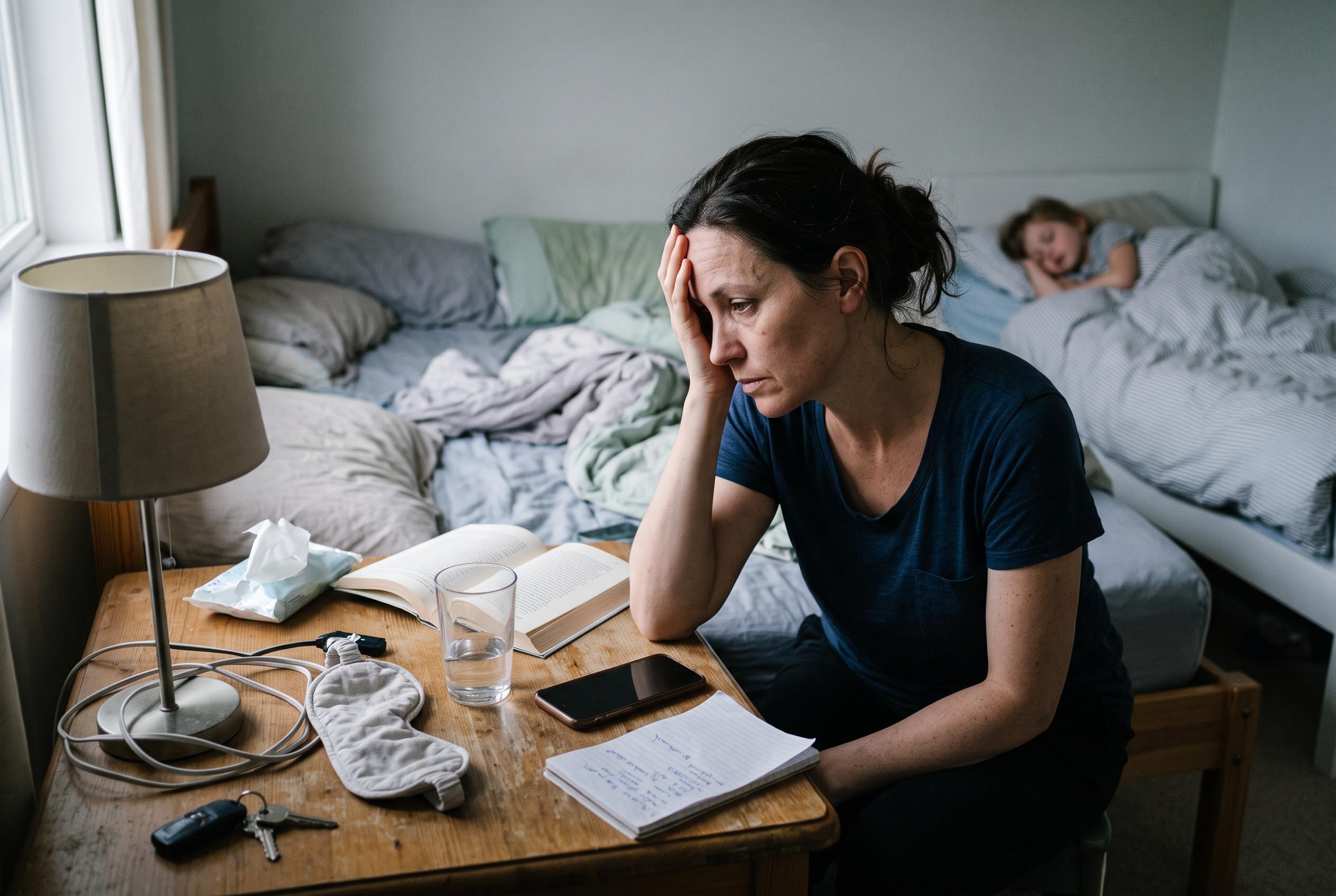

Stress, poor sleep, and burnout can temporarily worsen ADHD symptoms, highlighting the importance of differentiating between true flares and reactive symptoms to determine appropriate treatment and support.
For many people with attention deficit hyperactivity disorder, a bad stretch of stress or an exhausted week can feel like a sudden worsening of the condition. But the real issue is not always a new ADHD “flare”. Often, it is the effect of pressure, poor sleep and burnout making existing symptoms look sharper than they are. That distinction matters, because it can shape whether the next step is a medication review, a better sleep routine or a closer look at daily stressors.
The Envision ADHD post argues that stress can blur the line between a true change in ADHD symptoms and a temporary response to life circumstances. That is consistent with guidance from Healthline, which says stress, poor sleep, overstimulation and technology can all intensify ADHD-like problems such as forgetfulness, distractibility and irritability. WebMD likewise notes that chronic stress can overwhelm a person’s ability to act, making it harder to follow through on tasks and manage emotions.
Sleep loss can be just as misleading. Research indexed on PubMed found that sleep deprivation reduced attention performance in young adults, with people who had ADHD making more mistakes and showing greater variation in reaction times. The Sleep Foundation says people with ADHD are also more likely to experience sleep disorders, including insomnia, restless legs syndrome and sleep apnoea, all of which can leave them tired during the day and less able to concentrate. Understood adds that ADHD itself can make it harder to fall asleep, stay asleep or keep a regular schedule, creating a cycle in which poor sleep and ADHD symptoms reinforce each other.
The practical message is that not every rough patch calls for a medicine change. Before assuming treatment has stopped working, the article encourages people to check for recent changes in routine, sleep, workload or emotional strain. Keeping a simple symptom log can help identify patterns and give a doctor a clearer picture of what is happening. That approach is echoed by WebMD, which recommends staying with the treatment plan and seeking support, including therapy or a support group, when stress is making symptoms harder to manage.
Parents and caregivers may find that the same principles apply at home. Regular bedtimes, less screen use before sleep and a calmer evening routine can all help reduce the effects of sleep debt. Short breaks during the day, planned downtime and practical tools such as checklists or planning apps can ease the pressure on executive function, the mental skills used for organising, prioritising and starting tasks. The bigger point is that ADHD symptoms do not always worsen because the condition itself has changed; sometimes the brain is simply underfed by rest and overloaded by stress.
Disclaimer: This content is for informational purposes only and is not intended to be a substitute for professional medical judgment, advice, diagnosis, or treatment.



