

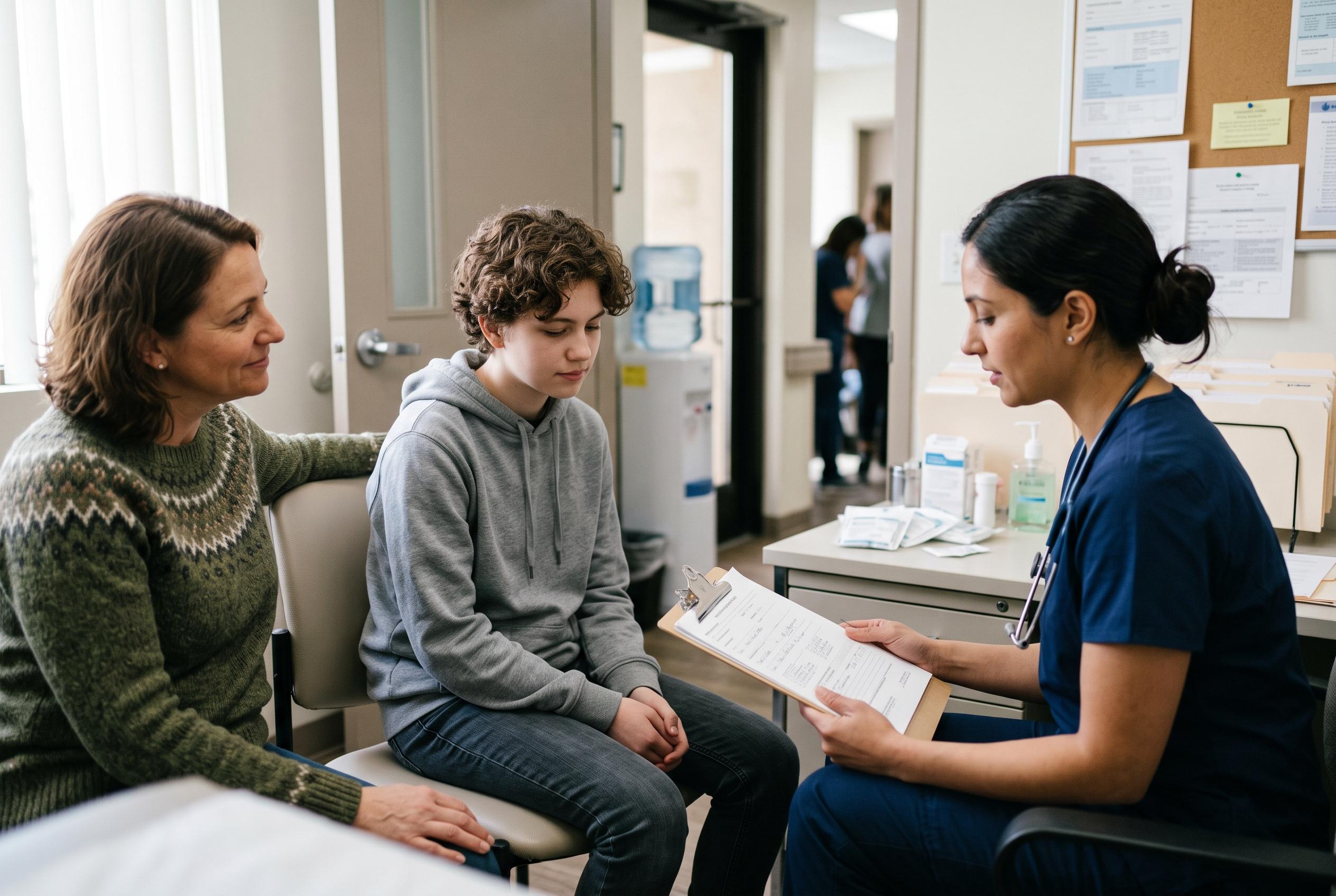

Despite improved engagement, young people with opioid use disorder face significant barriers to sustained treatment, with racial inequities and systemic challenges hampering recovery efforts amid rising overdose deaths.
The American Academy of Pediatrics urged doctors eight years ago to offer medication-based treatment for adolescents with opioid use disorder. Yet new national research suggests that, despite some progress, young people are still not staying in care long enough to benefit fully from one of medicine’s most effective tools.
A study published in JAMA Network Open examined Medicaid records and insurance claims for nearly 230,000 people aged 13 to 25 diagnosed with opioid use disorder between 2016 and 2023. Researchers found that about half of the young people saw a clinician after diagnosis and roughly one-third had at least two appointments within the first month. But only about one in six received medication such as buprenorphine or methadone, and just one in 32 remained on treatment for six months.
Scott Hadland, who led the study and serves as chief of adolescent and young adult medicine at Mass General Brigham for Children, said the findings point to a troubling mix of gains and setbacks. The study suggests that more young people are entering care than before, but retention remains poor, especially as overdose deaths among adolescents and young adults climbed sharply in recent years. For those 19 and younger, poisonings, including overdoses, have risen to become the third-leading cause of death.
The barriers begin early. Methadone, a highly effective treatment, is especially difficult for minors to access because federal rules require two documented failed attempts at recovery without medication before it can be started, and many specialised clinics will not take under-18s. Buprenorphine is easier for doctors to prescribe, but research has shown that few adolescent residential treatment programmes offer it. The study also found that Black youths and other racially minoritised groups were more likely to drop out of care than white peers, reflecting the same structural inequities that affect adult treatment. Clinicians quoted in the report said families often struggle with the idea of longer-term medication use, while doctors still lack much youth-specific evidence to answer questions about how long treatment should continue.
Still, some addiction specialists said the study offers evidence that more general paediatricians and primary care doctors are becoming willing to treat opioid use disorder. Hadland said that shift matters, but not enough if the health system does not create a setting that feels safe, welcoming and non-judgmental for young patients. As Sarah Bagley of Boston Medical Centre put it, engagement is decisive: without it, the best treatment in the world cannot work.
Disclaimer: This content is for informational purposes only and is not intended to be a substitute for professional medical judgment, advice, diagnosis, or treatment.



