

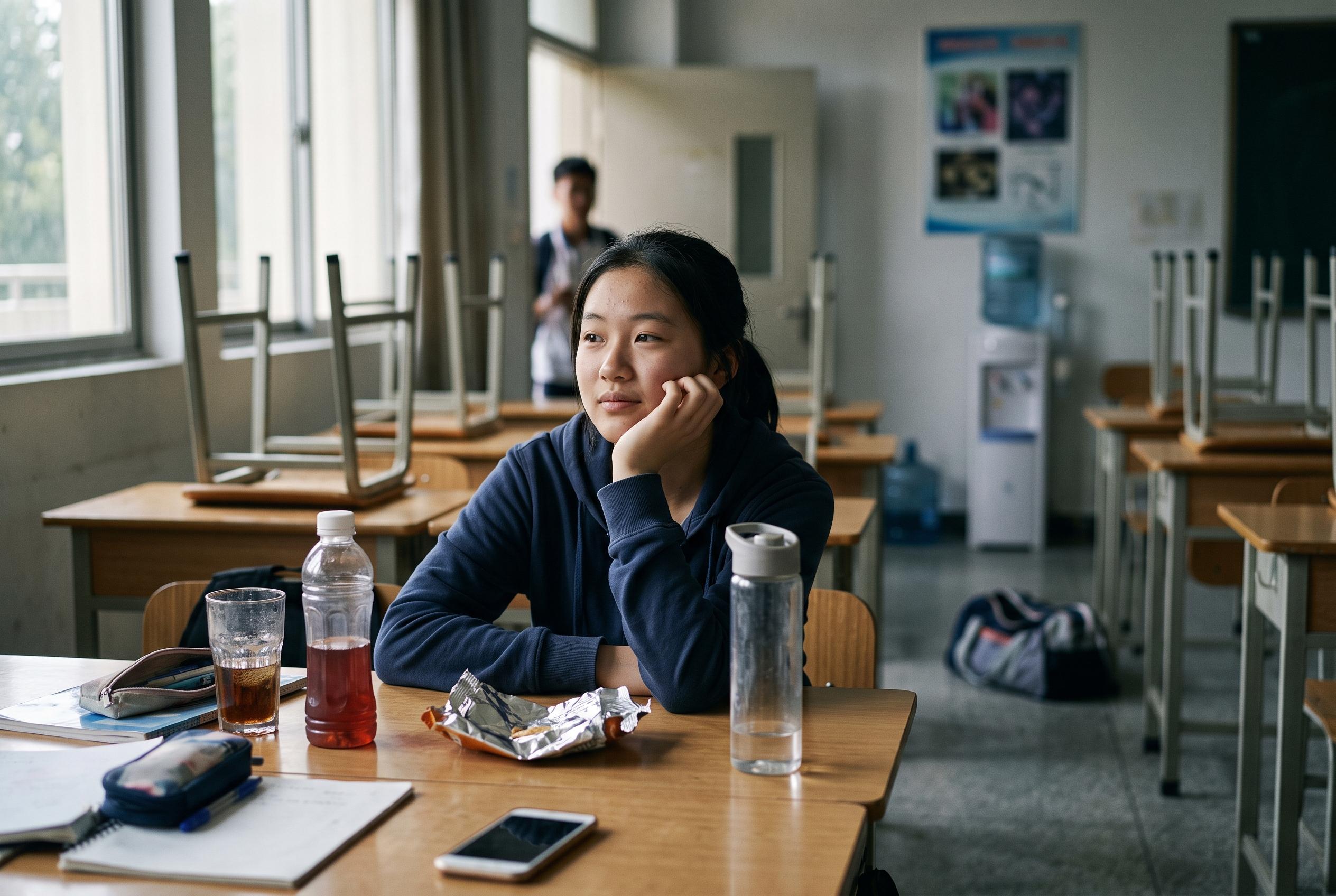

A large nationwide study in China reveals that frequent consumption of sugary drinks and higher levels of central fat are associated with increased mental health symptoms among teenagers, especially girls, highlighting the need for targeted health strategies.
Chinese adolescents who drink sugar-sweetened beverages often, and who have a higher level of central body fat, appear more likely to report mental health symptoms, according to a large nationwide study published in Frontiers in Psychology. The cross-sectional survey of 42,382 students aged 12 to 17 found that about one in five met the study’s threshold for mental health symptoms, with a slightly higher prevalence in boys than girls.
The researchers measured beverage intake by asking how often students consumed drinks with added sugar, then calculated each participant’s conicity index, an anthropometric measure that uses waist size, height and weight to estimate central fat distribution. They also assessed emotional problems, behavioural problems and difficulties with social adjustment using the Brief Instrument on Psychological Health of Youths, a screening tool previously validated in Chinese adolescents.
After adjusting for age and lifestyle factors such as commuting pattern, breakfast frequency and moderate-to-vigorous physical activity, the study found that teenagers who drank sugar-sweetened beverages five or more times a week had a higher likelihood of mental health symptoms than those who drank them twice a week or less. The highest conicity-index group also showed an increased risk, although the association was more modest than the beverage effect.
The combined pattern was stronger still. Adolescents with both frequent sugar-sweetened beverage intake and the highest conicity index had the greatest odds of mental health symptoms, and this pattern was especially pronounced among girls. The authors said the findings point to a possible interplay between diet, abdominal fat and psychological wellbeing, although the study design does not show cause and effect.
The paper adds to growing evidence that adolescent mental health is shaped by more than classroom pressure or screen time alone. It also supports a broader prevention message: limiting sugary drinks, encouraging healthier eating habits and paying closer attention to central obesity may all have a role in school-based health strategies. The authors noted that gender-sensitive interventions may be particularly important, given the stronger combined association seen among female students.
Disclaimer: This content is for informational purposes only and is not intended to be a substitute for professional medical judgment, advice, diagnosis, or treatment.



