

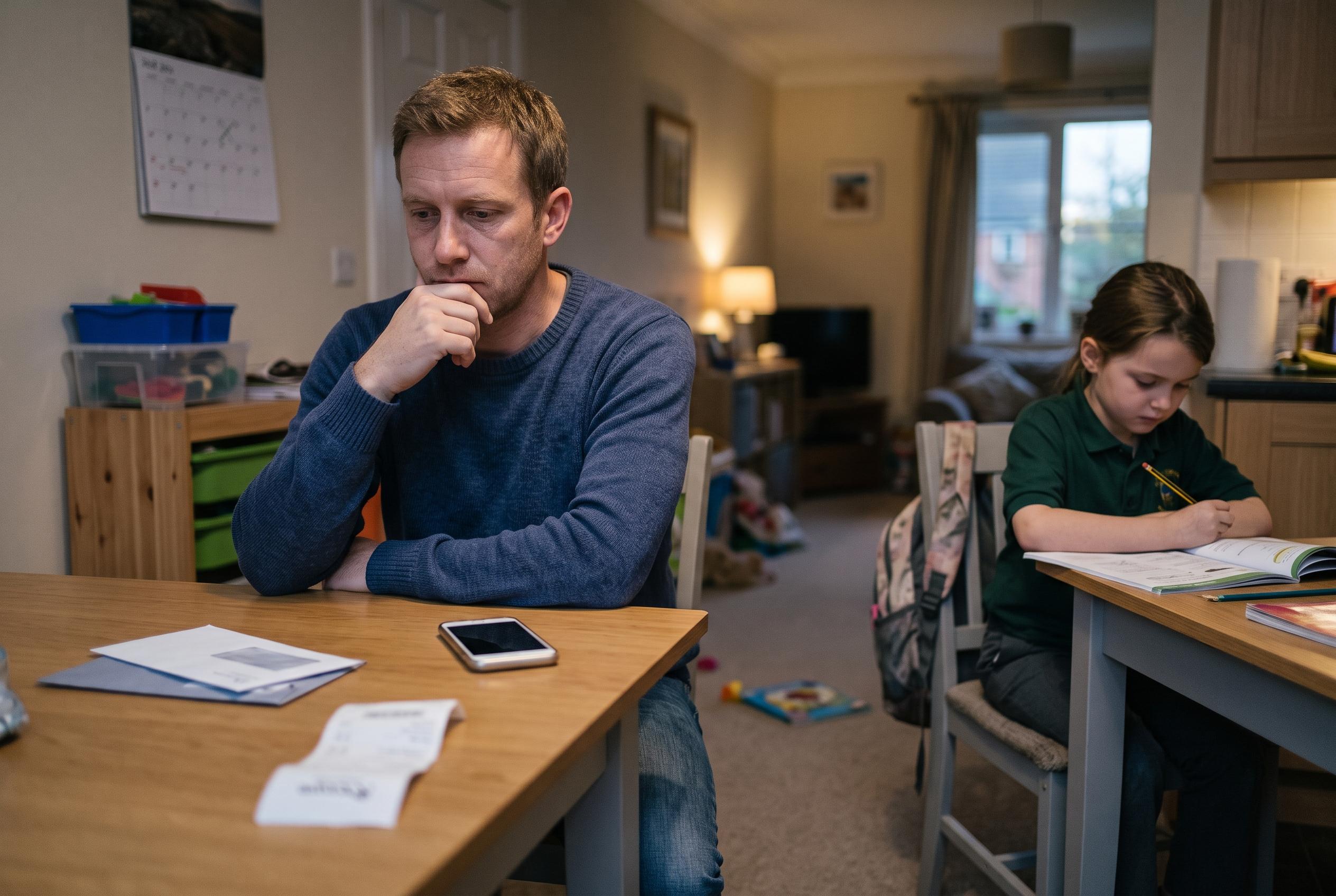

A recent study from the Australian National University reveals an increase in risky gambling among parents, highlighting significant adverse effects on children’s health and educational engagement, urging for greater awareness and integrated support services.
Children living with parents who gamble at risky levels are more likely to face poorer health, weaker school engagement and a wider range of family difficulties, according to new research from the Australian National University. The study argues that gambling harm should be treated not only as an issue for the person placing bets, but also as a child health and family wellbeing concern.
Led by Aino Suomi, director of the ANU Centre for Gambling Research, the work draws on longitudinal data from two nationally representative Australian population studies, alongside interviews with gambling support staff and child and family service providers in the ACT. ANU said the findings show that children have often been overlooked in discussions of gambling-related harm, despite being heavily dependent on the stability of home life.
The research found that about 14% of households with children under 15 include at least one adult who gambles at risky levels, and that share rose sharply between 2018 and 2022. The ANU said the increase appears to have been driven mainly by online wagering, echoing wider concerns about gambling being drawn further into family life through digital platforms. The study linked risky parental gambling with poorer physical functioning, worse mental health and emotional wellbeing, and lower educational engagement among children.
Researchers also pointed to effects beyond the direct act of gambling itself. Financial strain linked to gambling problems can unsettle routines, weaken parent-child relationships and make caregiving less consistent, the study said. It also identified elevated risks of depression, anxiety, suicidal thoughts, family violence, abuse and neglect in some children affected by parental gambling. A separate study published in the Journal of Gambling Studies has similarly found that children exposed to parental gambling can carry the effects into adulthood, including higher risks of depression, anxiety, post-traumatic stress disorder and intimate partner violence victimisation.
Suomi said positive parenting and a strong relationship between parent and child can help shield children from some of the damage. She also argued that existing services do not necessarily need to be rebuilt from scratch. Instead, the ANU said the priority is to make gambling harm more visible in child and family settings, ask about it more routinely, and strengthen links between gambling support, financial counselling and broader family services. The researchers noted that stigma and shame often hide the issue, meaning it is frequently identified only once it has become severe or a crisis.
Help is available for people affected by gambling harm and for their families and friends. In Australia, free anonymous support is available 24 hours a day through the Gambling Helpline on 1800 858 858, and through Gambling Help Online. People in Canberra can also connect with ACT Gambling Support.
Disclaimer: This content is for informational purposes only and is not intended to be a substitute for professional medical judgment, advice, diagnosis, or treatment.



