

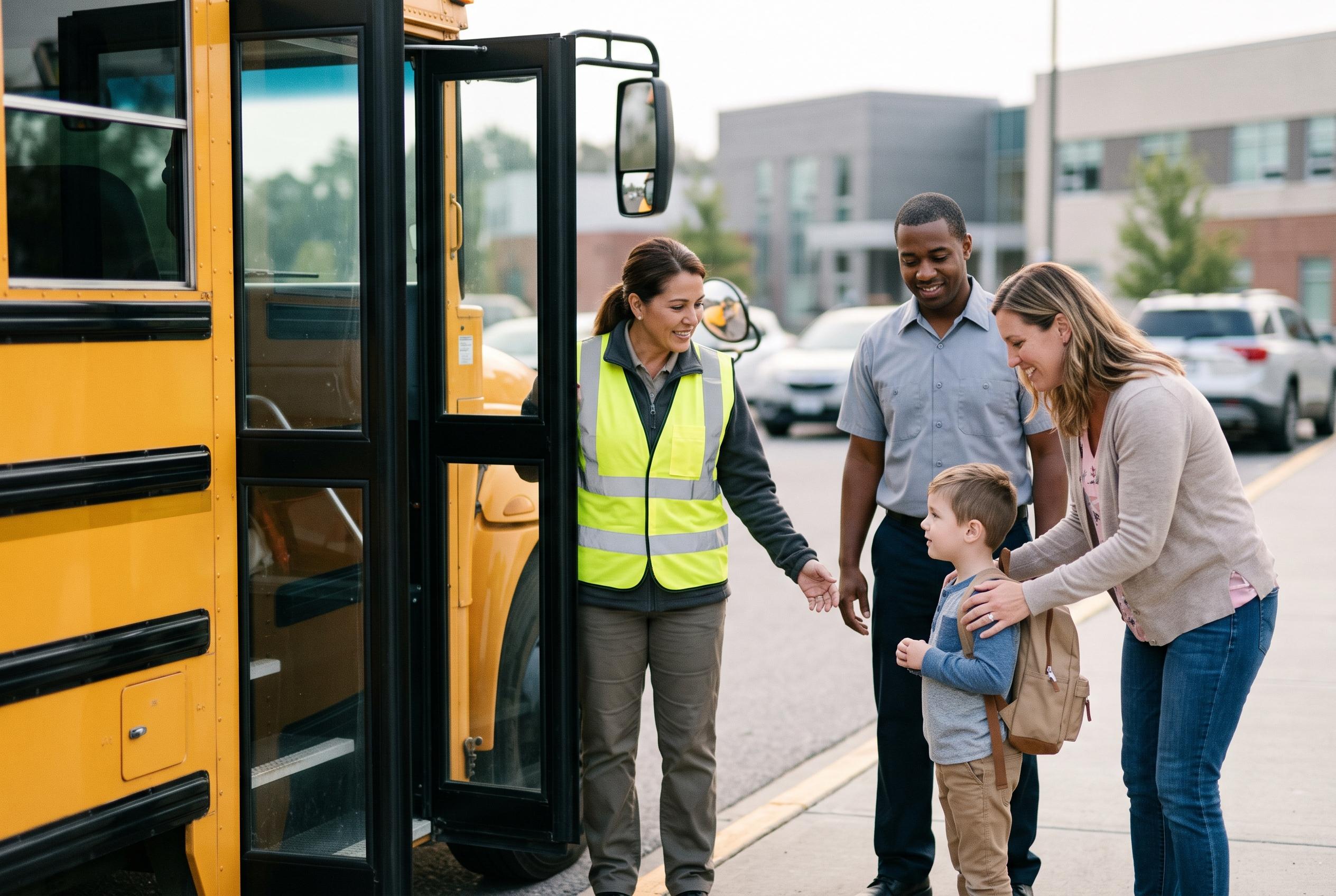

Parents of children with IEPS are encouraged to know their school bus drivers and attendants to ensure safer, smoother journeys, highlighting the importance of communication and preparation in special education transport.
For parents of children with Individualised Education Programmes, the school day begins long before the first lesson. It starts at the bus stop, where a familiar face can make the difference between a calm journey and a difficult morning. In a piece originally reported by the Washington Informer, a father of a child with autism argues that families should make an effort to know the people responsible for getting their children to school, including the bus driver and attendant.
That advice reflects a practical reality for many families. Children with disabilities often depend on routine, and even a small disruption, such as a substitute driver or a late bus, can unsettle them. Parents may not always receive a full account of what happened on the ride, which makes the adults on the bus especially important. Transportation staff may be the first to notice if a child suddenly refuses to board, becomes distressed at the same point each day or shows signs that something in the route or on the bus has changed.
Special education transport is not simply a courtesy service; in many cases it is part of the support a child is entitled to receive. New York City’s Department of Education says specialised transport can include accommodations such as door-to-door service and, where needed, a one-to-one transportation paraprofessional. That kind of support underlines why communication matters: drivers and attendants can only help effectively if they understand the child’s needs, while families still have to protect their child’s privacy and share only the information that is necessary for safe travel.
Education and disability groups also stress that preparation at home can make bus travel less stressful. Easterseals advises parents to help children understand the steps involved in the journey, from boarding to following the driver’s instructions and handling social situations with classmates. The World Resources Institute has also noted that better-designed school buses, including electric models with improved accessibility features, could make transport easier for students with disabilities, although access remains uneven.
The Washington Informer’s report makes an important distinction: building a relationship with transport staff should not replace accountability from the school system. If buses are consistently late, promised accommodations are not being delivered or transport problems are affecting a child’s education, parents should document the issue and raise it with school and transport officials. Still, a simple introduction at the bus stop can open a useful line of communication. For families already managing the pressures of special education, that connection may help turn a daily necessity into a safer and more predictable part of the school day.
Disclaimer: This content is for informational purposes only and is not intended to be a substitute for professional medical judgment, advice, diagnosis, or treatment.



