

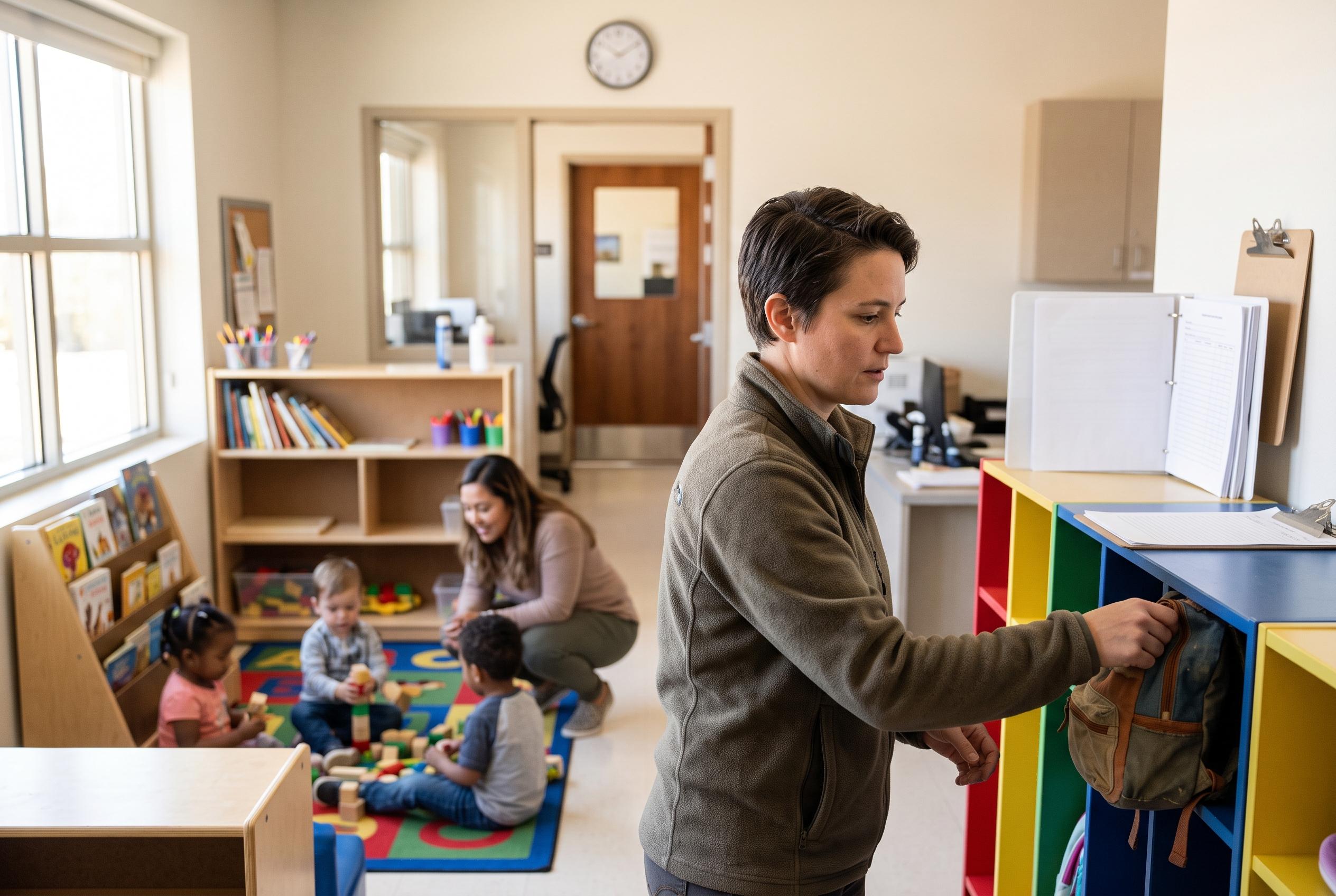

New Mexico’s pioneering free child-care initiative, launched in November 2025, offers significant savings for families but struggles with provider shortages and budget overruns as demand grows, raising questions about sustainable universal access.
New Mexico’s free child-care programme is already changing the financial calculation for many working parents, but access remains uneven. The state says the universal benefit, which took effect on 1 November 2025, can save families about $13,000 a year for each child by covering care regardless of income, and it is now open to families who work or study, with some exceptions for grandparents raising grandchildren and households facing housing instability. According to reports from The Washington Post and other outlets, the initiative has made New Mexico the first state to offer this kind of no-cost coverage to all families, while also widening the pool of eligible children well beyond the earlier income-based system.
The programme grew in stages before the state removed income limits altogether. The US Chamber Foundation said New Mexico began a major expansion in 2022, and by 2026 the scheme was serving a substantial share of the state’s young children, with families reporting average annual savings of roughly $12,000. The Montessori group, in a review of the policy, said the change to universal coverage was paired with the end of copayments and was funded through state trust funds built from oil, gas and investment income.
Yet the most immediate problem is not affordability but availability. At the programme’s launch, New Mexico faced an estimated shortfall of 15,000 child-care slots, and a state spokesman told The Washington Post that about 6,700 places had been added since then. Even so, officials acknowledge that many families still cannot find an open provider straight away, especially for infants and toddlers and for parents working non-standard hours. One parent quoted by The Washington Post said she was on 10 waiting lists, underscoring how access has lagged behind policy.
State officials are trying to close that gap by expanding supply. The Early Childhood Education and Care Department has outlined plans to add licensed centres, home-based providers and registered in-home carers, enough for about 12,000 additional children if the targets are met. Reuters has not reported on the programme directly, but according to the state figures summarised by The Washington Post, those additions are meant to ease pressure in both urban and rural areas, where shortages remain acute. In Santa Fe, one centre cited in local reporting said it had hundreds of children on its waiting list and was seeking room to add more infant and toddler places.
Financially, however, the programme is facing its own strain. The New Mexico Sentinel reported in May 2026 that universal child care had already run tens of millions of dollars over budget, with a projected $50 million shortfall for fiscal 2026. Governing also reported that higher-than-expected enrolment is putting pressure on the state’s finances. At the same time, officials are reviewing a provision that could reintroduce copayments if inflation stays elevated; KOAT reported that the trigger linked to the consumer price index has already been reached, and any change would affect only a minority of households after advance notice.
For parents, the appeal is obvious: no monthly bill, broader access and support that can make full-time work possible. But the programme’s early months show that universal coverage on paper does not automatically translate into universal access in practice. New Mexico has made a bold wager that public funding can relieve one of the biggest costs facing families, yet the state is still working out the hard part , building enough places, training enough providers and keeping the system financially stable as demand keeps rising.
Disclaimer: This content is for informational purposes only and is not intended to be a substitute for professional medical judgment, advice, diagnosis, or treatment.



