

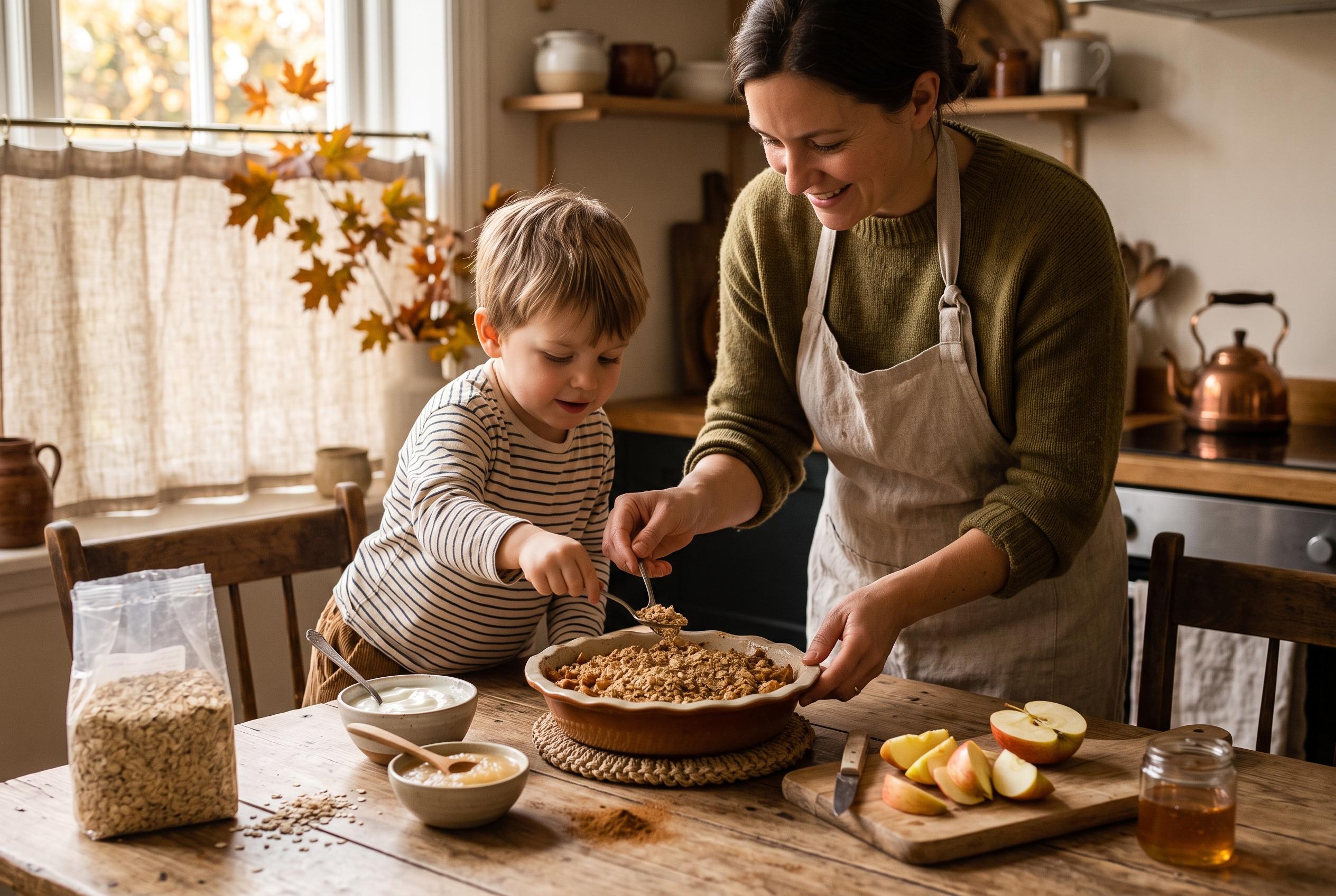

As the season shifts, experts recommend simple ingredient swaps like Greek yoghurt and applesauce to make beloved comfort dishes healthier without sacrificing flavour, helping families enjoy autumn’s cosy meals with long-term health benefits.
As autumn settles in and temperatures begin to drop, many households turn to the dishes that feel most restorative: creamy casseroles, baked pasta, thick soups and sweet tray bakes. Food can carry strong emotional weight, and comfort eating often has as much to do with memory, family and mood as it does with hunger. Healthline notes that these foods can be tied to nostalgia and stress relief, while colder weather can also nudge people towards richer meals that seem more satisfying.
That does not mean comfort food has to be off the menu. Registered dietitians and health writers increasingly recommend small ingredient swaps that preserve flavour while improving the nutritional profile of a dish. Mass General Brigham says simple substitutions can lower saturated fat and calorie content while adding more protein or fibre, and Consumer Reports similarly advises adjusting classic recipes rather than abandoning them altogether.
One of the most flexible options is plain Greek yogurt, which can stand in for ingredients such as sour cream, mayonnaise, cream cheese, milk, butter, buttermilk or heavy cream in many recipes. Fit and Well says it is a favourite among dietitians because it brings protein and calcium to the table without the same fat content as richer dairy products. That makes it useful in dips, sauces and baked dishes where creaminess matters.
For baking, unsweetened applesauce is another easy swap, particularly in quick breads, brownies and dense cakes. Mass General Brigham recommends it as a substitute for oil in some recipes, while the Farm and Dairy piece notes it can often replace butter or oil in a one-to-one ratio. Other practical changes include using lean protein instead of fattier meats, and adding vegetables such as zucchini or cauliflower to stretch dishes like chilli, pizza and macaroni and cheese without overwhelming the original flavour.
Beans and legumes can also do heavy lifting in a healthier comfort-food strategy. They add protein, fibre and bulk, which can make a meal more filling and reduce the need for larger portions of meat or refined starches. Health-focused guides from Consumer Reports and diabetic nutrition resources both point to legume-based pastas, chickpea crusts and bean-rich bakes as simple ways to keep familiar dishes on rotation while supporting steadier energy and better blood sugar control. The Farm and Dairy column also suggests a more basic safeguard: use a smaller plate if a recipe is especially rich.
In the end, the goal is not to strip comfort food of what makes it enjoyable. It is to make those meals a little more balanced so they can stay part of the season in a way that supports long-term health. For families and caregivers, that may mean experimenting with one new swap at a time, keeping favourite recipes in circulation and building new traditions around dishes that feel cosy without being quite so heavy.
Disclaimer: This content is for informational purposes only and is not intended to be a substitute for professional medical judgment, advice, diagnosis, or treatment.



