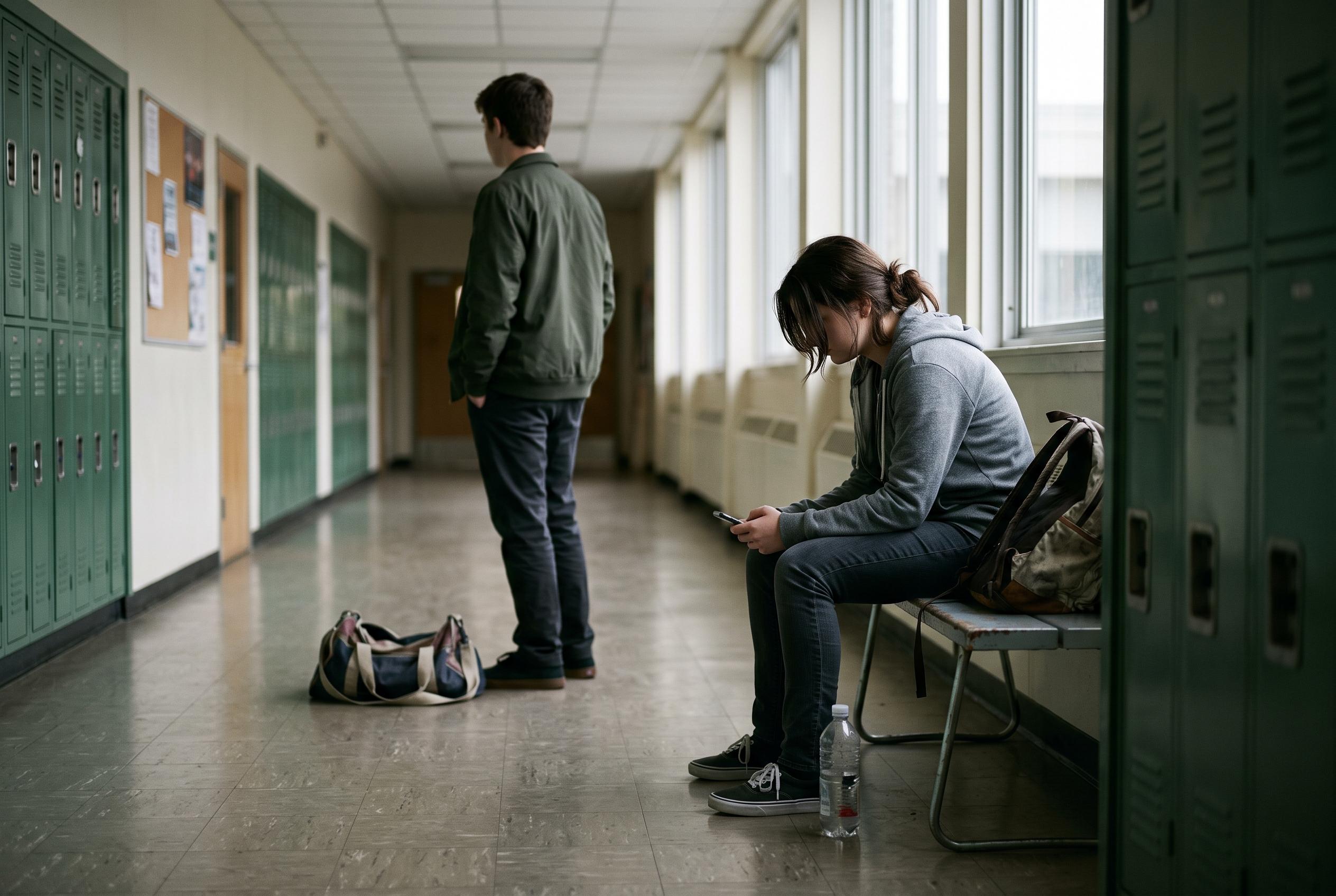

A Tokyo-led study highlights that loneliness and desire to be thinner significantly contribute to the higher rates of depression and suicidal thoughts among teenage girls, urging a holistic approach to youth mental health.
A new study from Tokyo suggests that two everyday experiences – loneliness and a wish to be thinner – may help explain why teenage girls report more depressive symptoms and suicidal thoughts than boys.
The analysis followed 3,171 adolescents in a long-running project and assessed them at ages 12, 14 and 16. By the final survey, depressive symptoms were reported by 15.9% of girls and 8.2% of boys, while suicidal thoughts were reported by 29.8% of girls and 18.1% of boys. Researchers then examined earlier experiences, especially those around age 14, to see what might have contributed to the gap.
What stood out was the combination of loneliness and body dissatisfaction. The statistical model suggested that these factors together could account for about 34.7% of the difference between girls and boys in depressive symptoms and 46.3% of the difference in suicidal thoughts. That does not prove cause and effect, but it does point to a plausible pathway linking social isolation, appearance pressure and mental health.
The findings fit with earlier research on adolescent girls. Studies indexed in PubMed have repeatedly linked negative weight-related body image with higher depressive symptoms, even when actual body weight is taken into account. Other longitudinal research has found that early concerns about appearance can predict whether depression persists over time, rather than simply accompanying low mood at one point in adolescence.
That matters because body dissatisfaction in teenage years is rarely a superficial issue. A girl who feels she should be thinner is often navigating a wider environment of comparison, comment and scrutiny, from school and home to social media feeds that reward polished images and constant self-monitoring. The Tokyo study does not single out any one platform, but it reinforces the idea that online spaces can intensify pressures that already exist offline.
Loneliness is just as important. Adolescents can be surrounded by messages, followers and classmates and still feel profoundly alone, particularly if digital contact does not translate into real closeness. Other research has linked sadness, loneliness and body dissatisfaction in adolescent girls, suggesting that interventions may need to address emotional isolation and body image together rather than as separate problems.
Taken together, the evidence points to a broader lesson for parents, schools and clinicians: teenage girls’ mental health is shaped long before a diagnosis is made. Helping young people feel connected, reducing the language of constant appearance criticism and treating body image as a serious issue may all be part of preventing depression from taking hold.
Disclaimer: This content is for informational purposes only and is not intended to be a substitute for professional medical judgment, advice, diagnosis, or treatment.