

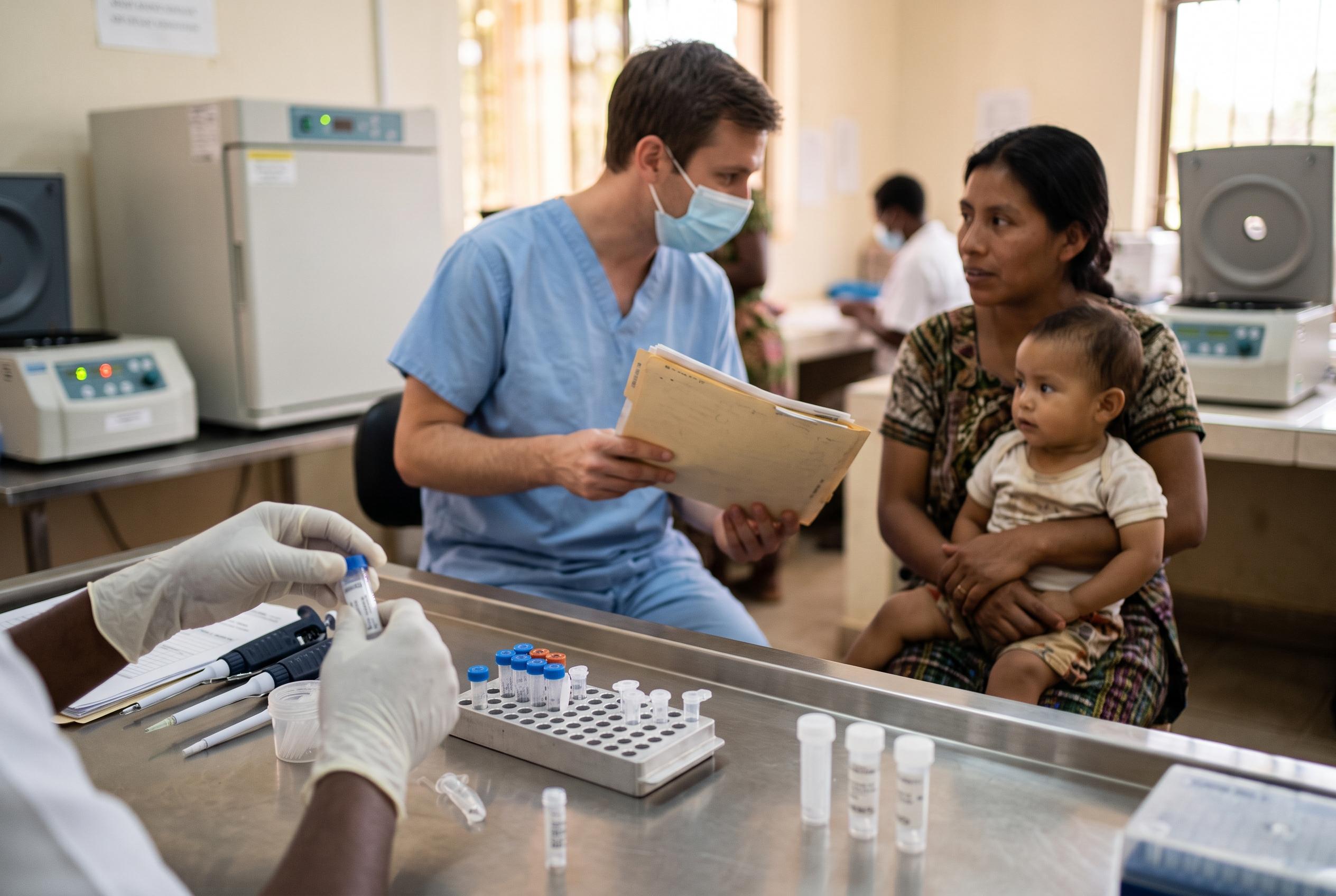

New research at the Sanger Institute is focusing on isolating and characterising gut bacteria from children in developing countries, aiming to develop tailored microbiome therapies that could revolutionise treatment for malnutrition and infection.
The gut microbiome is far more than a passive collection of microbes. It is a shifting internal ecosystem of bacteria, fungi, archaea and viruses that can aid digestion, support immunity and influence overall health, according to the Cleveland Clinic and review research on the human gut ecosystem. When that balance is disturbed, the result can be more than discomfort: scientists have linked microbiome disruption to a range of illnesses, from digestive disease to metabolic problems.
That wider significance is now central to work at the Sanger Institute, where Trevor Lawley’s team is studying the role of the microbiome in severe childhood malnutrition and infection through the CHAIN, or Childhood Acute Illness and Nutrition, network. The project follows more than 4,000 children aged from two months to two years across Kenya, Uganda, Malawi, Burkina Faso, Pakistan and Bangladesh, and has already generated more than 12,000 stool samples for sequencing. Researchers say the aim is to understand not just which microbes are present, but how they behave in settings where malnutrition is common and deadly.
A key part of that effort is the work of PhD student Bonface Gichuki, who is helping to culture and characterise gut bacteria in the laboratory and build one of the largest collections of whole-genome-sequenced bacteria from these populations. By isolating live microbes, researchers can test what individual strains actually do, including whether they break down nutrients, make useful compounds, carry antibiotic-resistance genes or contribute to disease. That approach could help move the field away from broad correlations and towards treatments tailored to specific regions and populations, including microbiome therapies based on strains that are better matched to local conditions. Some recent research also suggests the gut virome, the viral part of the microbiome, may affect metabolism in ways scientists are only beginning to understand, underlining how much of this microscopic world remains to be mapped.
Disclaimer: This content is for informational purposes only and is not intended to be a substitute for professional medical judgment, advice, diagnosis, or treatment.



