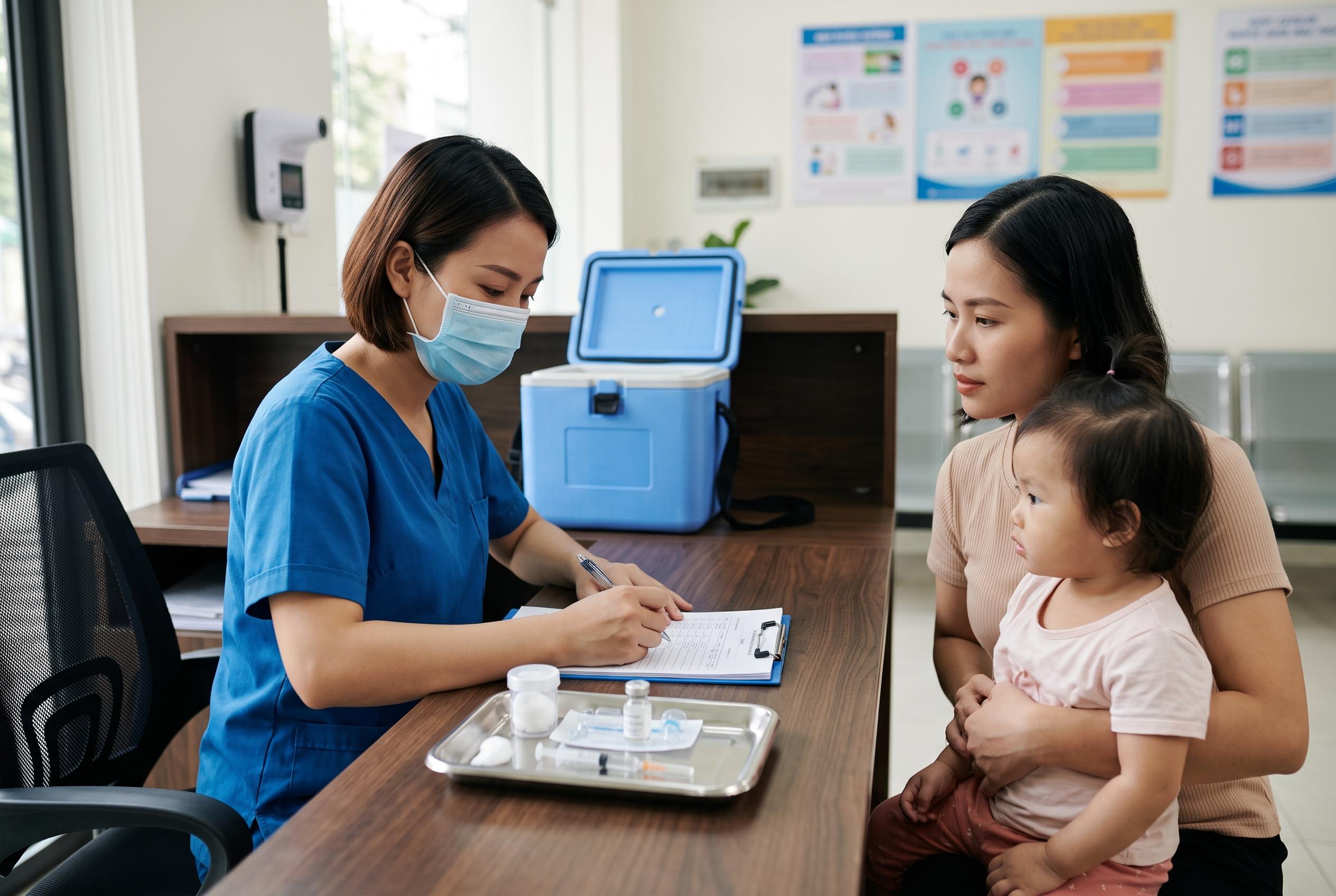

Vietnam is set to enhance its national immunisation programme, adding four new vaccines, including pneumococcal, HPV, and seasonal flu, aiming to bolster disease protection by 2030 amid logistical challenges and recent legal reforms.
Vietnam is pressing ahead with a phased expansion of its national immunisation programme, with four additional vaccines scheduled to be added by 2030 as health officials try to widen protection against rotavirus, pneumococcal disease, human papillomavirus and seasonal flu.
According to the Ministry of Health, rotavirus vaccine has already moved into nationwide free delivery from the start of 2026 after earlier pilots in selected provinces. Officials say this marks the first major addition to the Expanded Immunisation Programme in the current phase, which is intended to run through 2030 and build on more than four decades of routine vaccination work.
The next step is pneumococcal vaccine, which the ministry expects to trial in 10 provinces towards the end of 2026. HPV vaccine is being prepared for introduction over 2026-27, with the government having moved to place the disease on the list of conditions that must be covered by vaccine provision through the programme from July 1, 2026. Seasonal influenza is the last of the four additions and is scheduled for 2030 under the approved roadmap.
The ministry says the programme already provides free vaccination against 12 diseases, including hepatitis B, tuberculosis, diphtheria, pertussis, tetanus, polio, measles, rubella, Japanese encephalitis and rotavirus. Officials say the phased expansion reflects both the need to protect children and vulnerable adults and the practical realities of procurement, supply and delivery in a country with remote mountain, border and island communities.
Health officials also say the 2026-28 implementation plan is tied to the new Law on Disease Prevention, which took effect on July 1, 2026. The ministry has stressed that adding vaccines is only the first step: successful rollout depends on buying supplies, maintaining safe cold-chain storage, training staff and making sure families receive clear guidance on who is eligible and when each vaccine will be available. That message comes as Vietnam seeks to preserve past gains, including its polio-free status since 2000 and elimination of neonatal tetanus in 2005.
Disclaimer: This content is for informational purposes only and is not intended to be a substitute for professional medical judgment, advice, diagnosis, or treatment.