

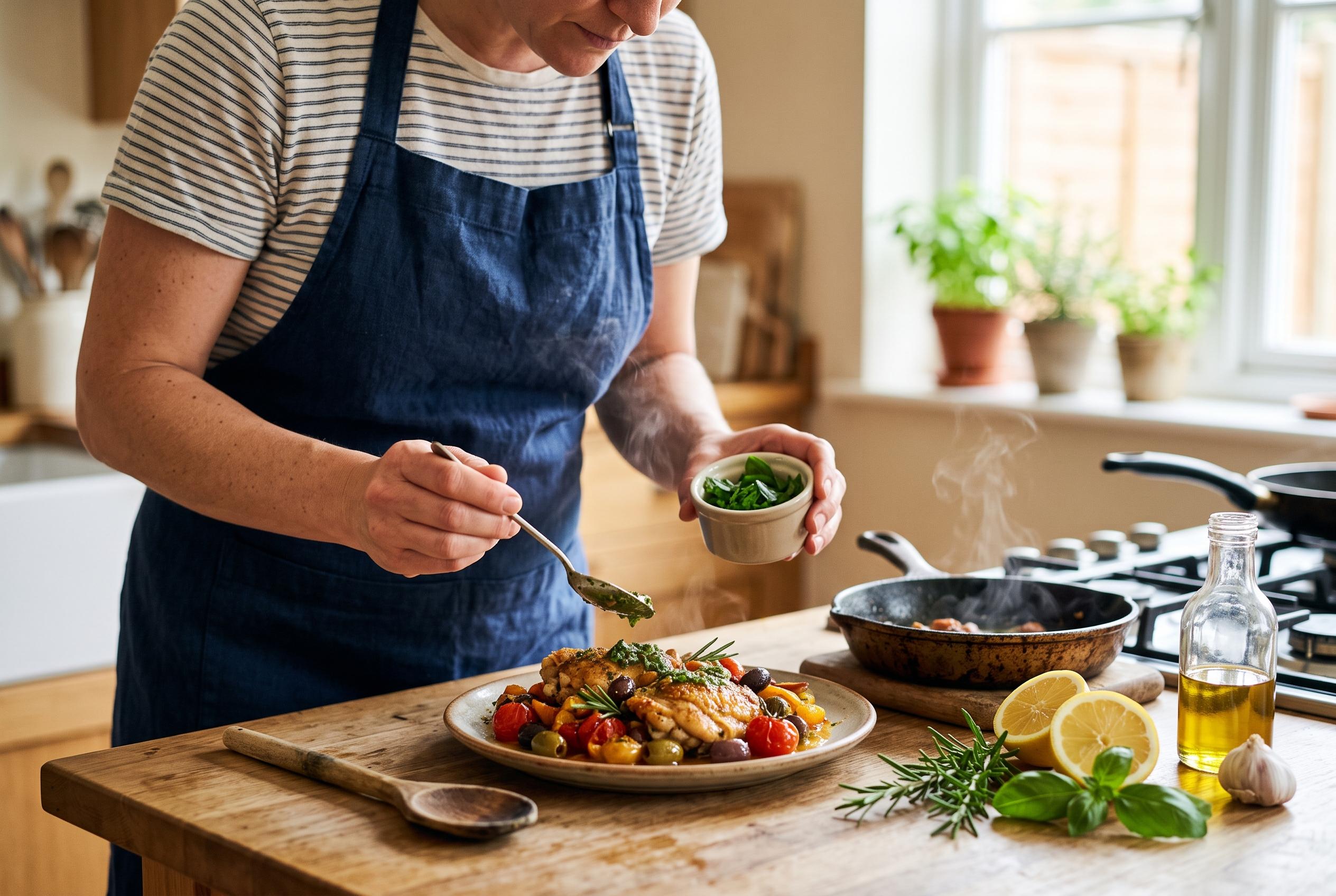

Chef Filippos Zoitos emphasises the importance of sensory experiences, quality ingredients, and emotional connection in cooking, blending professional expertise with personal family traditions to create flavours that linger in memory.
Filippos Zoitos has spent much of his life moving between home kitchens and professional ones, but his route into cooking began long before he trained as a chef. According to To Vima, he was already drawn to the stove as a teenager, always finding something to prepare in the family kitchen. That instinct led him into culinary studies and then into early jobs in small Athens eateries before he broadened his career into running his own pub for a decade, working in catering and, most recently, joining Asteria Domus Glyfada on the Athenian Riviera.
What separates Zoitos from many cooks, he says, is not technique alone but the way cooking awakens the senses. The first attraction, he believes, comes from smell: the moment ingredients begin to release their aromas and hint at what the dish might become. For him, a plate is not fully understood when it is tasted; it starts to reveal itself as it cooks, through scent, then appearance, and only then flavour. He places equal weight on skill, judgement and recipe discipline, but insists that without care and enthusiasm, even a well-planned dish falls flat.
That emphasis on care runs through his view of ingredients as well. Zoitos argues that the quality of the raw product matters enormously, yet he also acknowledges the pressure many households now face as prices rise and demand remains high. One practical answer, he suggests, is to lean on seasonal produce, which is often better value as well as better quality. In professional kitchens, especially at large events where quantity and consistency must be balanced against cost, the challenge becomes even more complicated. Even so, he says the aim should always be the same: the best possible dish at a fair price.
Home life has sharpened his perspective further. Zoitos and his wife, Katerina Del Rosso, try to cook as much as possible from scratch so they know exactly what they are serving. Their daughter, Margarita, is his most demanding taster, though also his most honest. Like many children, she prefers flavours that feel straightforward and reassuring, and she is not always keen when stronger ingredients such as onion or parsley are obvious in a dish. Zoitos does not believe in blanket bans on treats. A little chocolate, ice cream or crisps, he says, does no harm. The real lesson is moderation, especially when children are very young, and a gradual introduction to more thoughtful choices as they grow.
He hopes those early experiences will become part of Margarita’s memory in the same way smells and tastes have stayed with him. Zoitos links aroma closely with recollection, believing that a familiar scent can bring back a house, a tavern or a restaurant long after the meal is over. That belief gives his cooking a strongly emotional dimension: the idea that food is not only nourishment but also a record of people, places and moments. In his kitchen, he says, passion turns a meal into an experience, and his daughter already recognises that quality when she tastes what he makes.
Among the recipes he shares are spinach lasagne with anthotyro cheese and yoghurt, and chocolate cupcakes, both designed for family cooking rather than showy presentation. The savoury dish layers spinach with a béchamel enriched with pecorino, then finishes with anthotyro and yoghurt for a softer, fresher result. The cupcakes, meanwhile, rely on a simple chocolate batter with cream, cocoa and melted couverture, baked until just set. Together they reflect the approach Zoitos describes throughout the interview: food should be generous, reliable and rooted in flavour, but it should also be personal enough to linger in the memory.
Disclaimer: This content is for informational purposes only and is not intended to be a substitute for professional medical judgment, advice, diagnosis, or treatment.



