

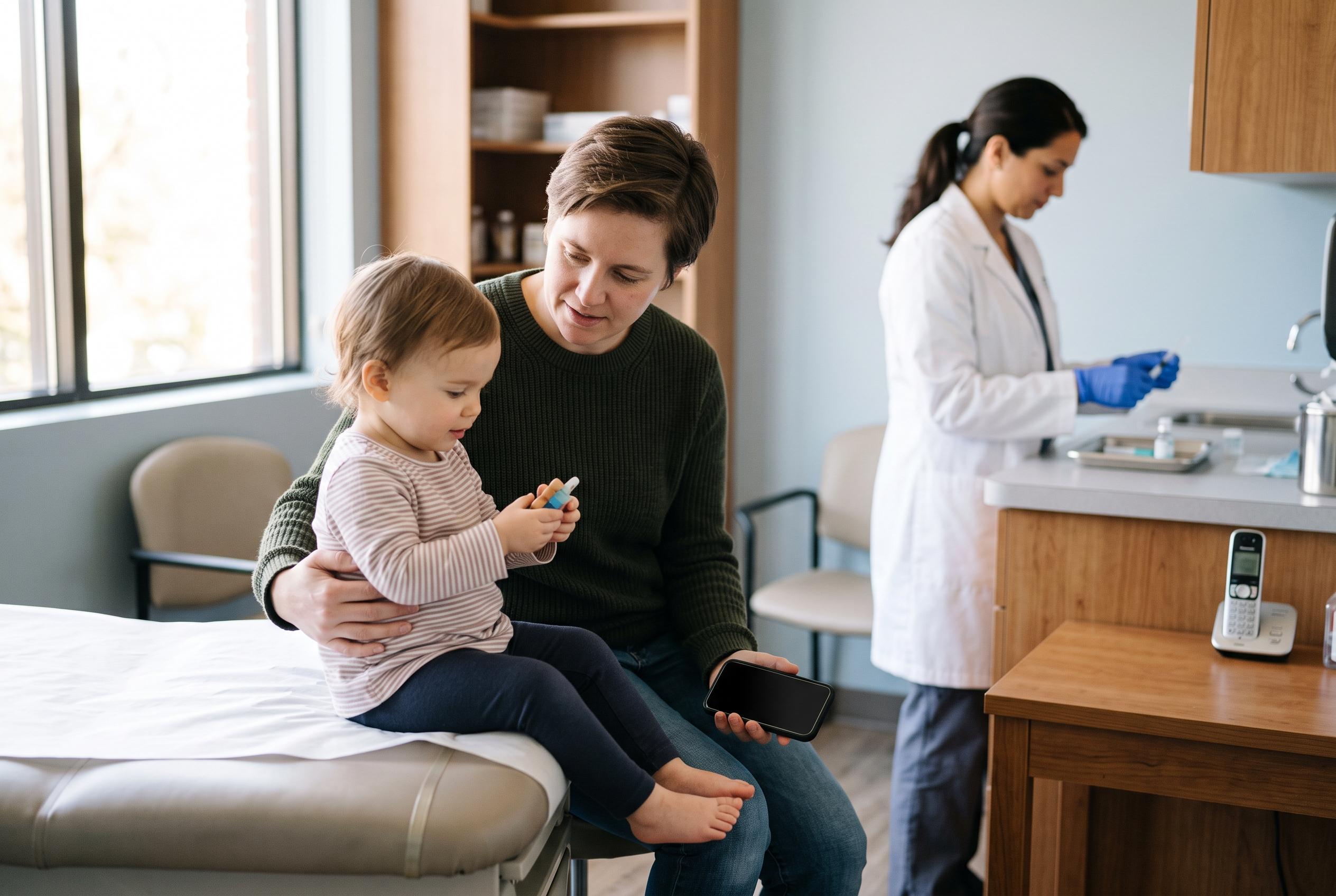

A new study suggests that combining in-office visits with video and telephone check-ins for peanut allergy treatment is both safe and preferred by caregivers, offering a flexible alternative to traditional methods for infants and toddlers.
Among families of infants and toddlers receiving peanut oral immunotherapy, a hybrid approach to dose increases that mixed in-office visits with video and telephone check-ins appeared to be the most popular choice, according to research published in Annals of Allergy, Asthma & Immunology. The study found that caregivers valued the convenience of home-based contact, especially the absence of travel time, while still appreciating the reassurance of some face-to-face medical support.
The research team studied 53 children aged 6 to 47 months, most of them boys, in a single-centre case series at Rochester Regional Health. The children were undergoing peanut oral immunotherapy, a treatment designed to desensitise patients to peanut exposure by gradually increasing the dose over time. According to the study, the protocol began at 2 mg of peanut protein and rose to 3,000 mg, roughly the equivalent of 12 peanuts, over an average of 26 weeks. All of the children eventually progressed to eating peanut freely.
Safety outcomes were reassuring. During 702 dose-up visits, there were three reactions, one in each setting: the in-office reaction was treated with epinephrine, the video-visit reaction resolved on its own, and the telephone-visit reaction improved with an antihistamine. During more than 9,800 home maintenance doses, there were 21 reactions, none of which required epinephrine. The investigators said the reaction rate during updosing was not significantly different from the rate seen during home maintenance.
Caregivers’ survey responses showed a clear preference for flexibility. Most agreed that home-based updosing by video or telephone was easier to fit into family life, and many said they felt comfortable managing an allergic reaction at home. The strongest concerns about remote visits were the lack of immediate healthcare professional support, while in-office visits were seen as helpful mainly because of that support. Even so, most caregivers said they preferred a combination of in-office, video and telephone encounters rather than one format alone.
The findings fit with a wider shift in food allergy care towards programmes that reduce the burden on families without sacrificing safety. Children’s Hospital of Philadelphia and other centres describe oral immunotherapy as a process with an initial phase, dose increases and a maintenance stage, all of which require regular daily ingestion and close guidance. Separate real-world research has also suggested that home dose increases can be feasible in young children, while broader reviews of peanut allergy treatment indicate that modified approaches may improve convenience and, in some cases, effectiveness. The Rochester team cautioned that their work was limited to one centre and to infants and toddlers with peanut allergy, so larger studies will be needed before remote updosing becomes routine.
Disclaimer: This content is for informational purposes only and is not intended to be a substitute for professional medical judgment, advice, diagnosis, or treatment.



