

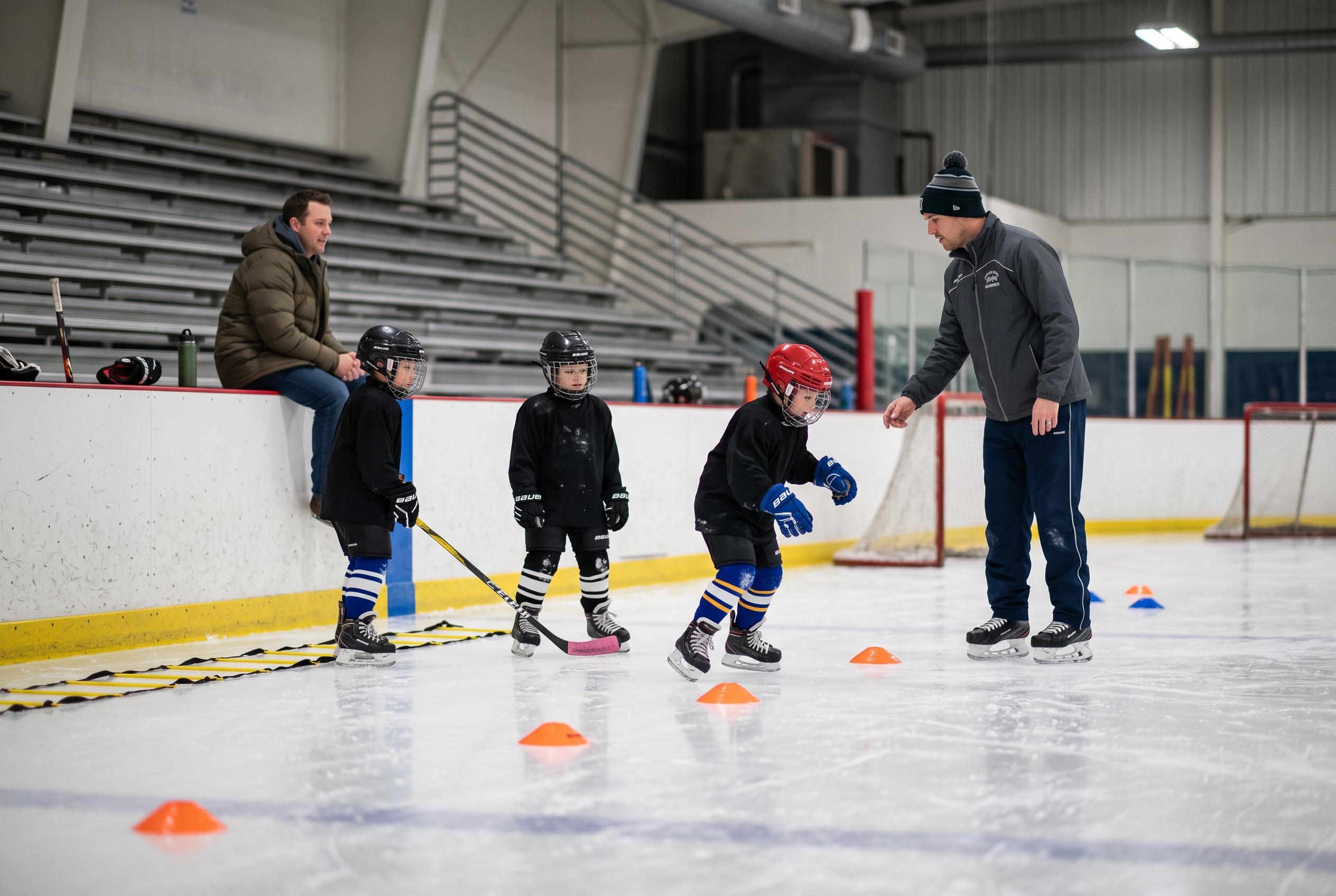

Experts and sports authorities advocate for young children to participate in multiple sports, particularly hockey, to enhance coordination, decision-making, and prevent injuries, challenging early specialisation trends.
Young children who play ice hockey often benefit from trying several sports, not just one, because the game asks far more of them than skating alone. As the Finnish sports article argues, hockey is unusually demanding for children because they must read what is happening around them, spot space, judge timing and decide quickly whether to pass, carry the puck or move without it, all while still learning the basics of skating and handling equipment. That combination makes broad athletic experience especially valuable in the early years.
Health guidance from Dartmouth Health Children’s, Children’s Healthcare of Atlanta and Nationwide Children’s Hospital supports that view. Their advice is consistent: taking part in more than one sport can strengthen overall fitness, improve neuromuscular development, expose children to a wider range of movement patterns and help reduce the risk of overuse injuries. The same sources also warn that specialising too early can increase burnout and leave children with a narrower physical base.
For hockey players aged six to eight, the development focus should be on learning the sport rather than simply collecting game minutes. ADM Kids says that at those ages practices matter more than fixtures, and that small-area games and cross-ice hockey are particularly useful because they give children more puck touches and more chances to make decisions under pressure. The City of Walker, Michigan, makes the same point, describing cross-ice play as a faster-paced format that helps young players sharpen decision-making and understand the game more clearly.
That wider message matters for parents as much as coaches. In the youngest age groups, the goal is not to produce specialists as quickly as possible, but to build coordination, confidence and game sense. In hockey, and in youth sport more generally, those qualities are often developed best when children stay active in different ways before narrowing their focus. The Finnish article was published by Meksi Urheilumedia on Savon Sanomat.
Disclaimer: This content is for informational purposes only and is not intended to be a substitute for professional medical judgment, advice, diagnosis, or treatment.



