

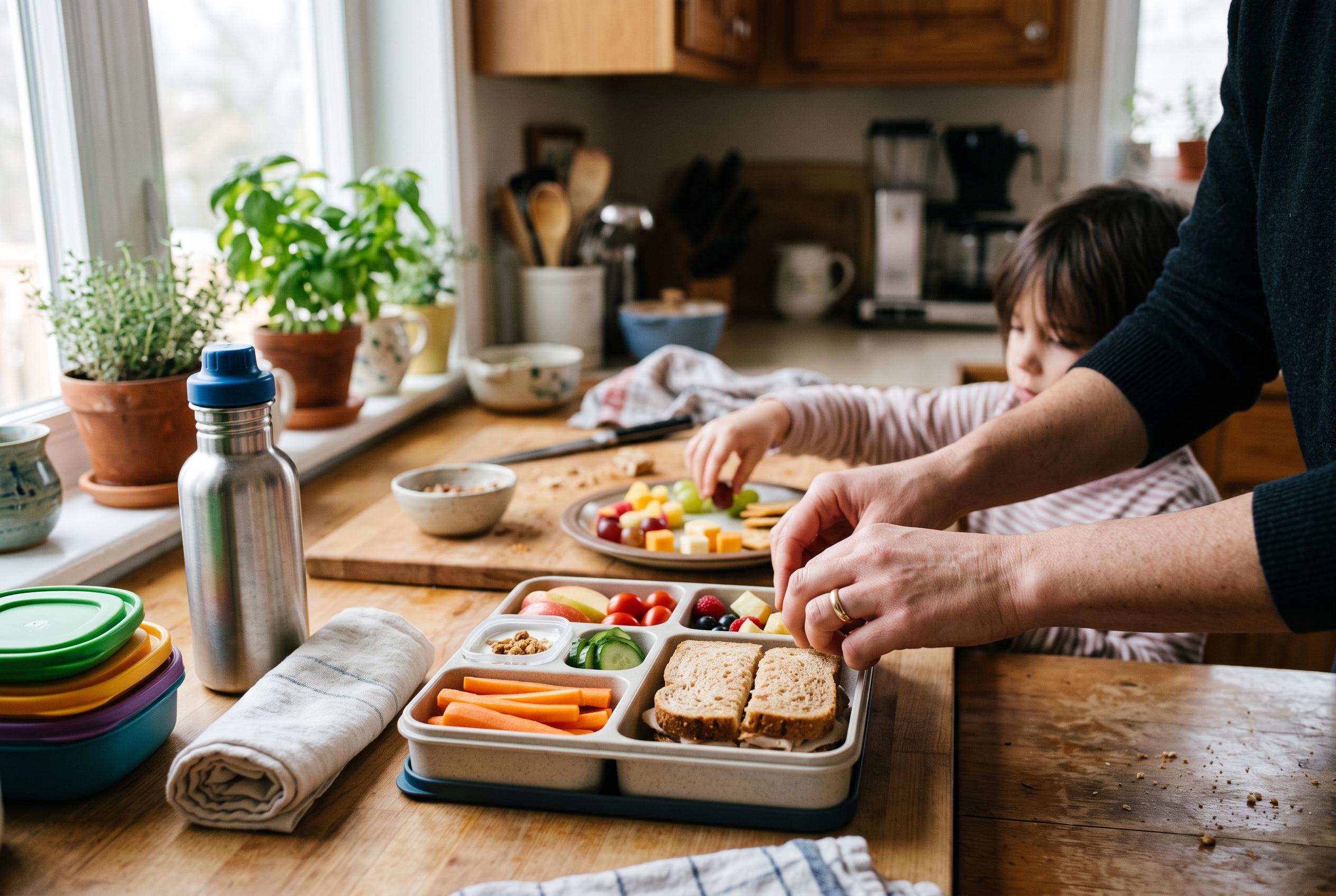

According to experts, keeping school lunches familiar, balanced and involving children in planning can promote healthier eating habits without turning mealtime into a battleground. Practical, repeatable ideas focusing on simple food groups help ensure children enjoy and maintain nutritious meals day after day.
Packing a lunch that is both nutritious and popular with children can be a delicate balancing act, but experts say the simplest approach is often the most effective: keep it familiar, balanced and appealing. Nora LeTorre, chief executive of Eat Real, told “CBS Mornings” that parents do not need to overhaul the lunchbox to make it healthier; small, practical changes can make a meal more wholesome without making it feel like a chore.
Nutrition guidance for children generally points to the same formula: include a mix of fruit or vegetables, a source of protein, a grain and something with healthy fat. That combination helps steady energy through the school day and makes it more likely that children will actually eat what is packed. Health experts also recommend predictable meal and snack routines, rather than constant grazing, because regular timing can support healthier eating habits.
Parents are often advised to avoid turning lunch into a battleground. Healthline says pressuring children to clean their plates, bribing them to eat certain foods or labelling foods as “good” and “bad” can backfire, especially with picky eaters. A calmer approach is to offer a range of options over time and let children build trust with new foods at their own pace.
There is also value in making children part of the process. Consumer Reports recommends reviewing lunch menus together, talking through choices and involving children in meal planning, which can make them more willing to try healthier foods. Harvard Health notes that school lunch programmes feed tens of millions of children each day, giving families and schools a major opportunity to reinforce healthy habits. The Mayo Clinic has also linked good nutrition with better focus, memory, behaviour and mood, underscoring why lunch matters well beyond the cafeteria.
Practical lunchbox ideas tend to work best when they are simple and repeatable. Children’s Hospital guidance suggests building lunches around the main food groups, while Cleveland Clinic recommends drinks such as water or plain milk and encourages sensible treats like fruit, yoghurt or whole-grain snacks. In other words, the best school lunch is not necessarily the most elaborate one; it is the one a child will eat, enjoy and come back to the next day.
Disclaimer: This content is for informational purposes only and is not intended to be a substitute for professional medical judgment, advice, diagnosis, or treatment.



