

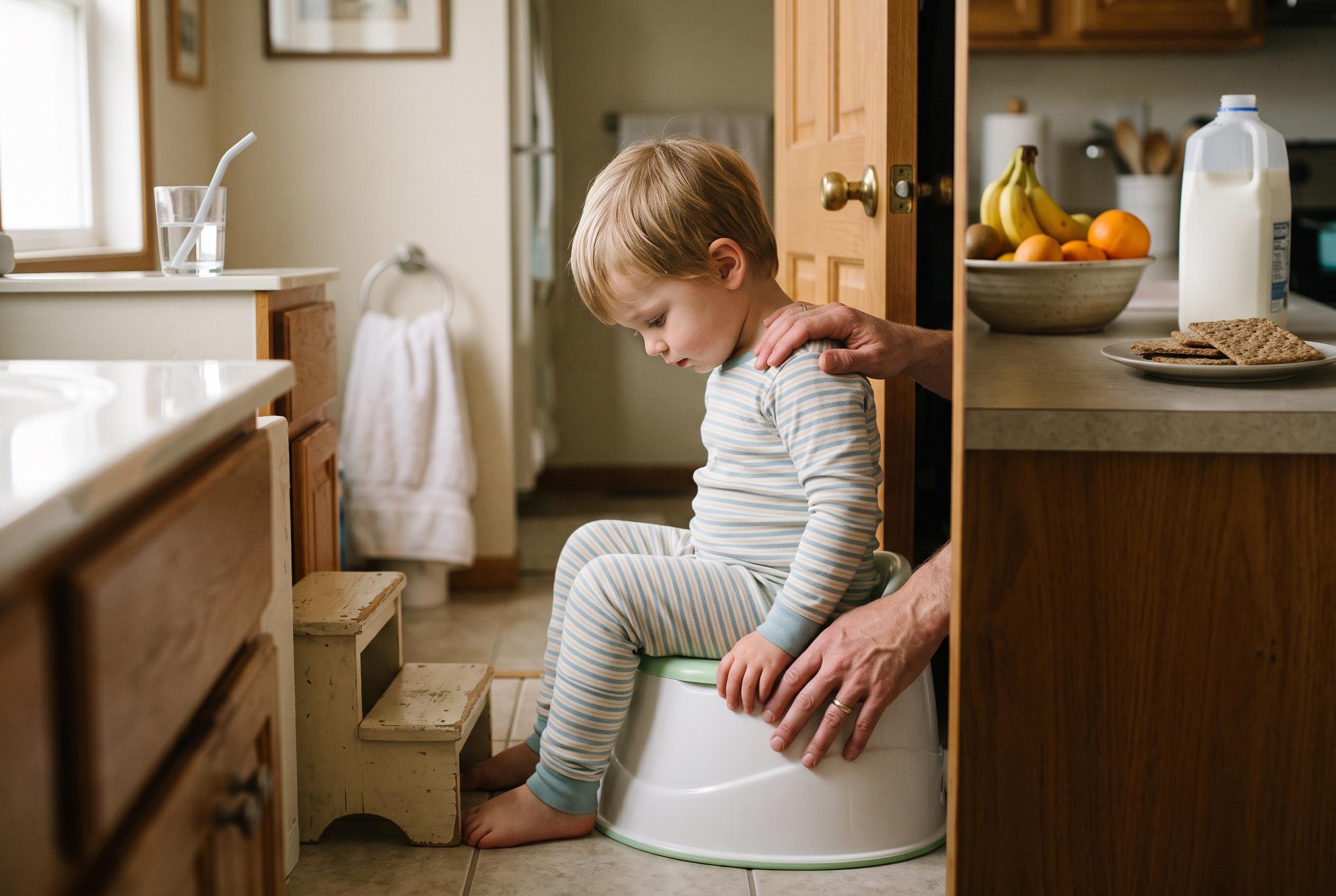

A recent report emphasises that simple changes in diet, hydration, and toilet habits can often resolve childhood tummy aches, but recognising symptoms early remains crucial for effective intervention.
Children who complain of a stomach ache before school are often experiencing something more ordinary than many parents fear. According to a report by Hindustan Times, one of the most common explanations is constipation, which can make a child feel bloated, uncomfortable and reluctant to eat or move normally. Johns Hopkins Medicine says constipation in children is a frequent digestive problem and is typically marked by hard stools and fewer bowel movements than usual, while the American Academy of Pediatrics notes that tummy pain can also stem from urinary tract infections or gastrointestinal infections.
Doctors say the pattern matters. Sushil Singla, a paediatrician in India quoted by Hindustan Times, said parents should watch for hard stools, pain during bowel movements, straining, a swollen abdomen or repeated efforts to hold stools in. Mayo Clinic says children may withhold stools because they are afraid of pain, while Johns Hopkins and Seattle Children’s Hospital both note that reluctance to use a public toilet can contribute to the problem. That habit can become self-reinforcing: the longer a child delays going, the harder and more painful the stool may become.
Diet and daily routine also play a major role. Hindustan Times reported that a low-fibre diet and poor hydration can worsen constipation, and Mayo Clinic, MedlinePlus and Seattle Children’s all recommend more fibre, more fluids and regular physical activity as first-line measures. Fruit, vegetables and other fibre-rich foods can help keep the bowel moving, while too many processed foods may have the opposite effect. A regular toilet routine can also make a difference, especially for children who rush through mornings before school.
Parents should not assume every repeated stomach ache is constipation. Hindustan Times said Singla also pointed to indigestion, food intolerance, infection and urinary problems as possible causes. The American Academy of Pediatrics and MedlinePlus likewise note that abdominal pain in children can be linked to several different conditions, which is why timing, location and triggers are worth tracking. Keeping a simple diary of when the pain starts, whether it happens before or after meals, and how often the child opens their bowels can help a doctor identify the cause more quickly.
Medical advice is particularly important if the pain is severe, lasts a long time or keeps getting worse. Hindustan Times said parents should seek help if a child wakes at night with pain, vomits repeatedly, develops a fever, has blood in the stool or loses weight without explanation. The Mayo Clinic and Johns Hopkins Medicine also advise seeing a healthcare professional if constipation persists or comes with other worrying symptoms, while the American Academy of Pediatrics says pain that is severe or ongoing should not be managed at home indefinitely. In most cases, simple changes to diet, hydration and toilet habits are enough to help, but repeated pain should be checked rather than ignored.
Disclaimer: This content is for informational purposes only and is not intended to be a substitute for professional medical judgment, advice, diagnosis, or treatment.



