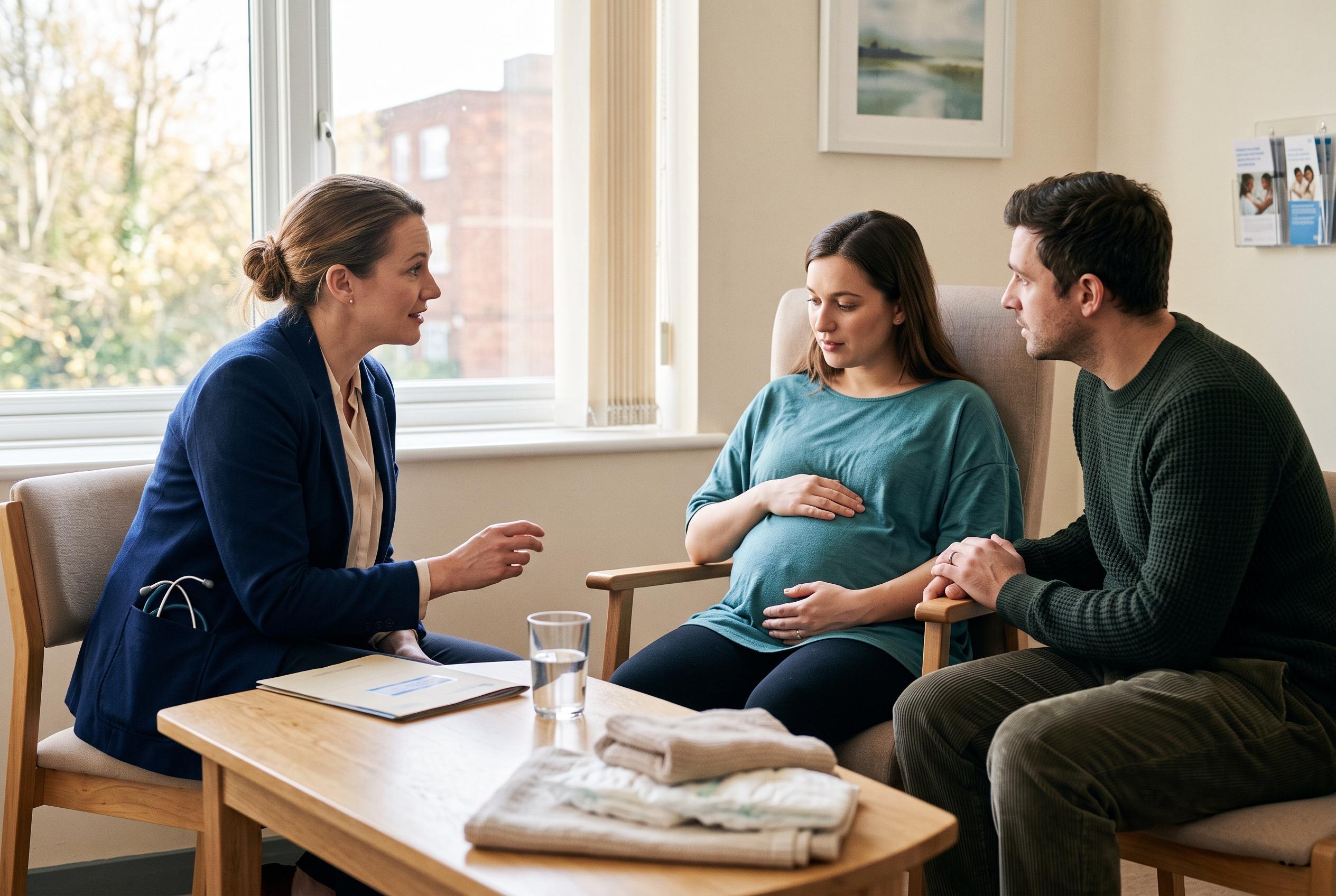

Research from the University of Glasgow finds that children born to mothers with depression show higher rates of conditions like autism and ADHD, regardless of antidepressant use during pregnancy, raising questions about the impact of untreated maternal mental health.
A new study from the University of Glasgow has found that children born to mothers with depression were more likely to develop neurodevelopmental difficulties, whether or not the mothers had taken antidepressants during pregnancy. The research, published in PLOS Medicine and reported by News Medical, adds to a long-running debate over how much of the risk comes from the illness itself and how much, if any, may be linked to treatment.
The study followed more than 167,000 children born in Wales between 2009 and 2016 and tracked their outcomes until 2022 by linking medical and school records. Researchers looked for diagnoses and support needs associated with autism spectrum disorder, attention deficit hyperactivity disorder, and wider learning, behavioural, emotional and social difficulties. They found that children exposed to maternal depression had higher rates of these outcomes even when antidepressants were not involved, suggesting that untreated illness itself may be an important factor.
The analysis also indicated a small additional increase among children whose mothers took antidepressants during pregnancy. According to the study authors, that rise may partly reflect the fact that women prescribed these medicines often have more severe depression. They reported that antidepressant exposure was linked with an extra 6.3 cases per 100 children among those not exposed to depression, and an extra 2.9 cases per 100 children among those who were exposed to depression. The researchers said the findings should not be read as a reason to stop treatment automatically, because untreated depression during pregnancy carries risks for both mother and baby, including a greater chance of postnatal depression.
The new paper sits within a broader body of research that has reached similar, if sometimes cautious, conclusions. A study in Biological Psychiatry found that maternal depression was associated with a higher risk of neurodevelopmental disorders in offspring regardless of selective serotonin reuptake inhibitor, or SSRI, treatment. Another prospective cohort study reported lower cognitive and gross motor scores in children exposed to SSRIs in the womb, even after accounting for maternal depression and anxiety. More recently, a systematic review and meta-analysis in The Lancet Psychiatry examined antidepressant use before and during pregnancy and found that the question remains complex because underlying mental health conditions can be difficult to separate from medication effects.
For parents and clinicians, the practical message is one of balance rather than alarm. The Glasgow researchers said their results suggest that prenatal antidepressant exposure may be a marker for children who could benefit from extra support at school, but they also stressed the need for women to discuss treatment decisions with a doctor or midwife. Their work underscores a central challenge in maternal mental health research: the risks of medication cannot be considered in isolation from the risks of leaving depression untreated.
Disclaimer: This content is for informational purposes only and is not intended to be a substitute for professional medical judgment, advice, diagnosis, or treatment.