


While peanut butter can be a nutritious part of a balanced diet, specialists warn that added sugars, hydrogenated oils, and large portions may undermine its health benefits. Experts recommend choosing natural options and mindful serving sizes to maximise health advantages.
Peanut butter has long been sold as a wholesome staple, but specialists say its health halo depends heavily on how much people eat and what is inside the jar. The Cleveland Clinic says the food itself is not the problem; the bigger issue is oversized portions and the extras found in many supermarket brands. That distinction matters because peanut butter can provide plant protein, unsaturated fats, vitamin E, magnesium, potassium and vitamin B6, nutrients that support heart and metabolic health when eaten in sensible amounts.
Research cited by Healthline and the Cleveland Clinic suggests that peanuts and peanut butter can fit into a balanced diet, partly because their monounsaturated and polyunsaturated fats, along with protein and antioxidants, may help with satiety and support cardiovascular health. Some studies have linked regular but moderate consumption of nuts and nut butters with a lower risk of type 2 diabetes and heart disease. Even so, the food is calorie-dense, and a standard two-tablespoon serving contains roughly 190 to 200 calories, so the difference between a measured serving and eating straight from the jar can be substantial.
The main concern with many commercial products is not the peanut content but the added ingredients. According to a Washington Post analysis cited in the Greek report, three additives deserve attention: added sugars, including high-fructose corn syrup and molasses; mono- and diglycerides, which help keep the texture smooth; and palm oil or hydrogenated vegetable oils, which improve shelf life and prevent separation. Added sugar raises calories without adding much nutritional value, while hydrogenated oils may contain trans fats, which can worsen cholesterol levels. Palm oil also increases the saturated fat content.
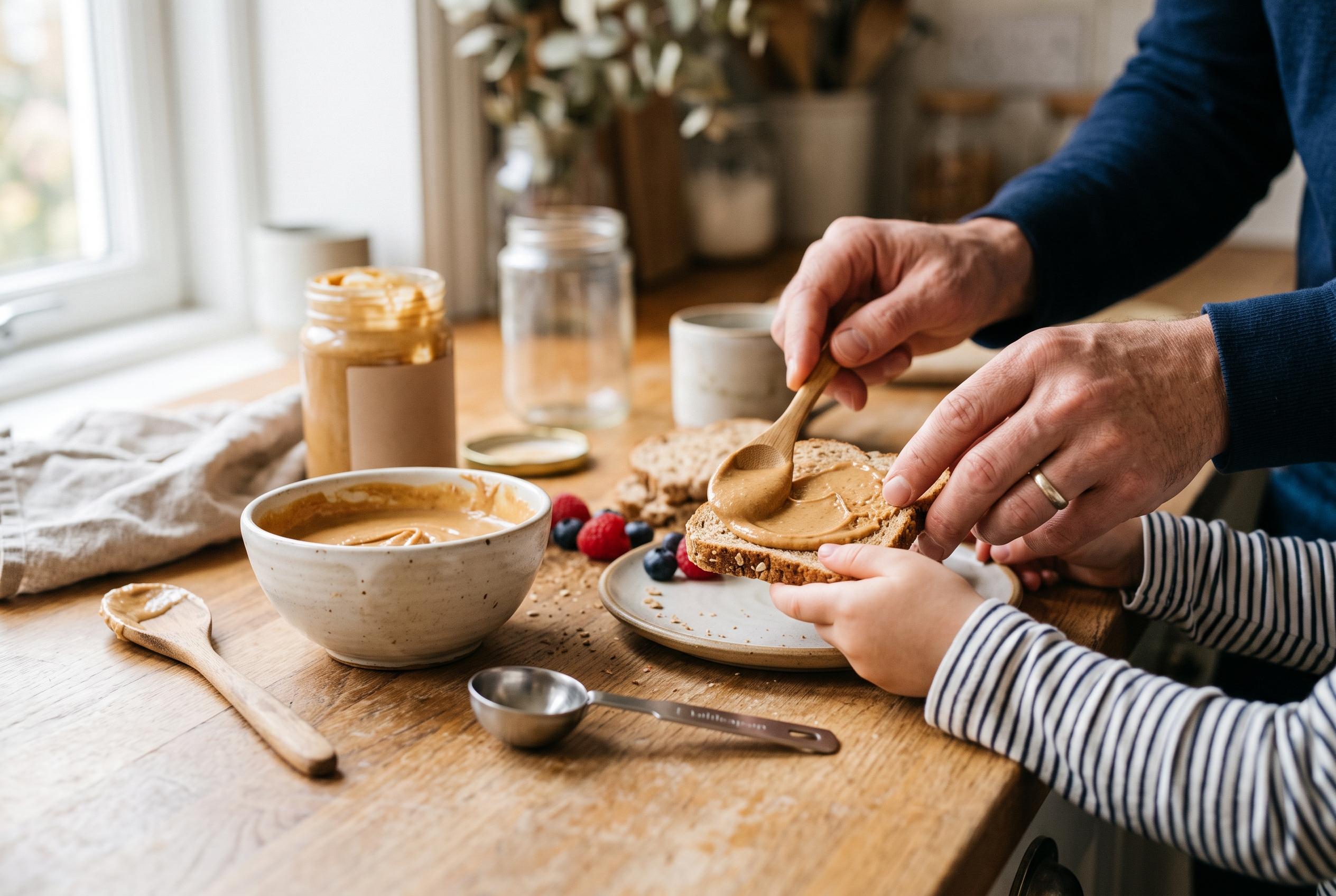
For that reason, dietitians generally recommend the simplest possible ingredient list: peanuts, and perhaps a little salt. Cleveland Clinic advises choosing natural peanut butter and storing it in the fridge if oil separates on top, which is usually a sign that stabilisers have not been added. The most practical serving guide for most adults is one to two tablespoons a day, whether spread on wholegrain bread, paired with fruit or stirred into yoghurt. For children, the portion matters just as much as the product itself, because routine overeating can add up quickly in a diet already heavy in processed snacks.
Disclaimer: This content is for informational purposes only and is not intended to be a substitute for professional medical judgment, advice, diagnosis, or treatment.



