

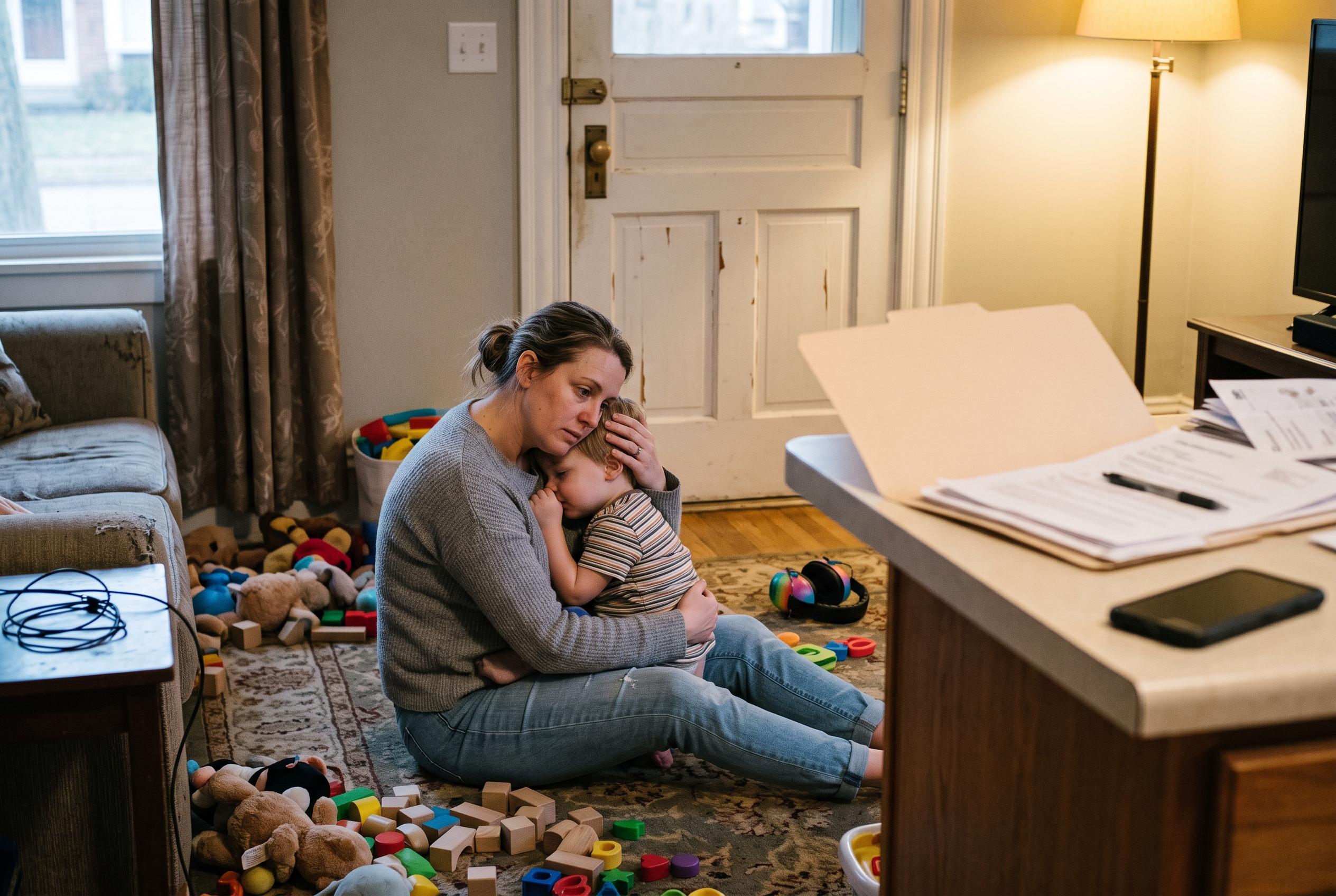

Parenting often defies idyllic expectations, exposing parents to sensory overload, privacy challenges, financial pressures, and emotional rollercoasters. Experts highlight the importance of connection and patience amid these unpredictable realities.
Parenting rarely matches the calm, curated version many people imagine before children arrive. The reality is usually louder, messier and far more relentless: a day can swing from being asked the same question dozens of times to finding odd bits of food and toys in places they should never have been. What begins as a fantasy of slow mornings and thoughtful conversation quickly gives way to a life shaped by constant interruptions, shifting emotions and the need to stay steady when everything around you feels anything but.
One of the biggest surprises is just how much stimulation comes with caring for young children. The constant calls for attention, the touch, the noise and the rapid changes in mood can leave many parents feeling overstimulated or “touched out”, a term therapists use to describe the sense of being overwhelmed by too much physical or sensory input. Health experts describe sensory overload as what happens when the brain is asked to process more information than it can comfortably handle, which helps explain why even ordinary family life can feel exhausting at times.
Privacy, too, becomes a much more negotiable concept once children are in the house. Bathroom doors no longer signal solitude, and even the simplest request, such as putting on shoes or tidying up, can turn into a drawn-out argument. Child psychologists say this often reflects a child’s need for connection or control, not merely defiance. That shift matters because it reframes conflict as communication, rather than simply bad behaviour.
The financial shock can be just as striking. Children seem capable of eating through food at a pace that surprises even prepared parents, and the grocery bill soon becomes a recurring reminder that growing bodies require a great deal of fuel. Alongside that practical pressure comes a quieter, more emotional one: the realisation that parenting rarely offers a single stable feeling. Exhaustion, frustration, tenderness and joy can all arrive within minutes of one another, creating the kind of emotional whiplash that makes the work feel both draining and deeply meaningful.
As children grow, the anxieties change rather than disappear. A parent may first worry about tumbles and choking hazards, then later about safety online, peer pressure, risky decisions and the marks left behind by poor judgment. At the same time, the need for control gives way to the need for trust. Experts quoted in the original piece say connection matters more than perfection, and that children benefit most when adults remain present, patient and willing to see the behaviour beneath the behaviour. In that sense, the real lesson of parenting may be that the goal is not to manage every moment, but to stay connected through them.
Disclaimer: This content is for informational purposes only and is not intended to be a substitute for professional medical judgment, advice, diagnosis, or treatment.



