

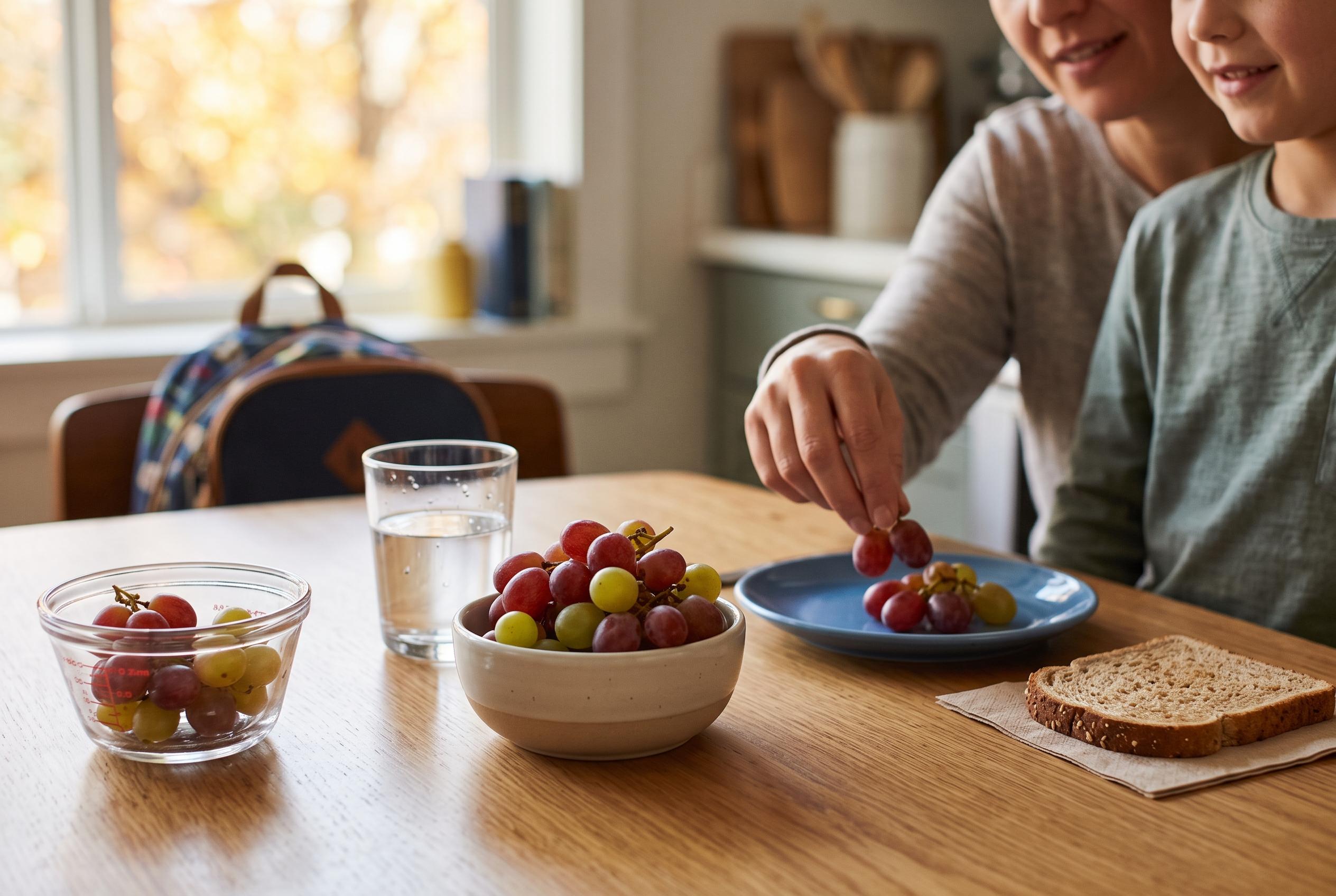

Grapes are a nutritious autumn favourite, rich in antioxidants and water, but their natural sugar content means mindful consumption is essential, especially for those managing blood sugar or weight.
Grapes are one of autumn’s most familiar fruits, returning to the table in bunches, juices, jams and dried form. Their appeal is obvious: they are sweet, versatile and easy to eat. But nutrition experts say their value lies less in whether they are inherently “good” or “bad” and more in how much is eaten, in what form, and by whom.
According to United States Department of Agriculture figures cited in the lead article, 100 grammes of fresh red or green grapes contain about 69 calories, 18.1 grammes of carbohydrate, 15.5 grammes of sugar, 0.9 grammes of fibre and roughly 80% water. That means grapes are hydrating and nutrient-rich, but they also contain more natural sugar than some other fruits, which is why portion size matters.
The distinction between whole grapes and grape juice is especially important. The World Health Organisation recommends whole fruit as part of a healthy diet, while sugars in fruit juice are counted among free sugars, which should be limited. Healthline and the Cleveland Clinic both note that grapes contain antioxidants such as resveratrol, as well as vitamins and potassium, but they also underline that juice lacks much of the fibre and structural benefit that comes from eating the fruit itself.
Darker grapes tend to contain a broader range of plant compounds. The article’s source material says red and black varieties are particularly rich in polyphenols, including anthocyanins, flavonoids and phenolic acids, with resveratrol concentrated mainly in the skin and proanthocyanidins found in the seeds. Healthline, the Cleveland Clinic and WebMD all point to potential benefits for heart health, blood pressure, inflammation and, in some cases, eye and cognitive health, although the size of the effect depends on how much is consumed and in what form.
That does not mean green or white grapes are a lesser choice. They contain different plant compounds and can also fit comfortably into a balanced diet. For most people, the simplest approach is variety rather than exclusivity: different colours of grapes, alongside a wider mix of fruit and vegetables, offer a more rounded nutritional pattern than relying on any single food.
People with diabetes, or anyone counting carbohydrates closely, need to be more careful. Grapes can raise blood glucose, but they do not automatically need to be ruled out. What matters is the total meal, the person’s treatment plan and individual response. Nutrition sources also caution that dried grapes, juice, concentrate and jam can deliver sugar much more quickly than a small serving of whole fruit. Small children need extra care too, because whole grapes can be a choking risk if they are not prepared properly.
The broader message is straightforward: grapes can be part of a healthy diet, but they are best treated as one fruit among many, not as an all-you-can-eat snack. They provide fibre, water and useful plant compounds, yet their sugar content means portion control still matters, particularly for people managing weight, blood sugar or specialised diets. Used sensibly, grapes belong on the autumn table without being idealised or feared.
Disclaimer: This content is for informational purposes only and is not intended to be a substitute for professional medical judgment, advice, diagnosis, or treatment.



