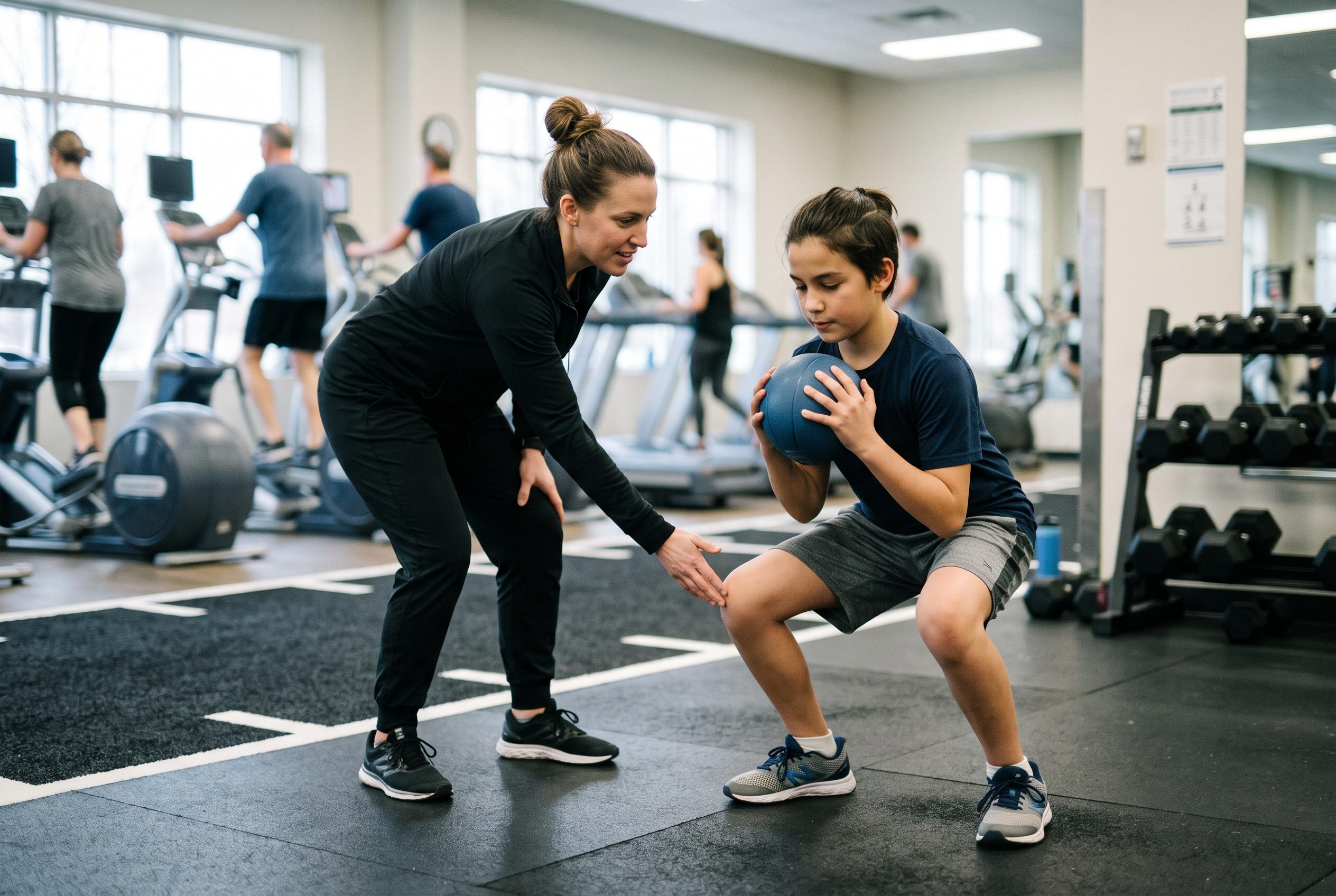

Experts emphasise that children’s readiness for strength training depends on maturity, coordination, and proper supervision, with a focus on safety and correct technique rather than age.
For parents weighing whether a child is ready for strength training, the most important factor is not age alone but maturity, coordination and the ability to follow instructions. Cincinnati Children’s says youngsters should be able to listen, stay focused and move with enough body awareness to learn basic exercises safely. The first goal, the hospital says, should be movement quality, not the amount of weight on the bar.
That message is echoed by other paediatric and sports medicine sources. The Mayo Clinic says strength training can help children build muscle, support joints and improve performance in sport, provided it is done with proper supervision and good form. Rady Children’s Health says young children can start with body-weight exercises, while Children’s Health notes that some children may begin a structured programme when they are ready for organised sport, sometimes as young as seven or eight, if they are mature enough to take direction.
Choosing the right coach is central to safety. Cincinnati Children’s recommends looking for recognised strength and conditioning qualifications, such as those from the National Strength and Conditioning Association or the American College of Sports Medicine, along with experience coaching children in the same age group. Parents are also encouraged to ask how a coach decides when an athlete is ready to progress, how injuries are handled and what level of supervision is provided.
It can also help to watch a class before enrolling. A sensible programme should have active supervision, a low coach-to-athlete ratio and enough individual attention to correct technique. Cincinnati Children’s says children should look engaged, challenged and comfortable, not pressured or overwhelmed. Warning signs include poor supervision, one-size-fits-all workouts, rushed increases in weight and a culture that prizes heavy lifting over safe movement.
For beginners, the right starting point is usually body-weight work, then light resistance bands or weights once technique is reliable. Mayo Clinic and Rady Children’s Health both advise starting light and emphasising form over load; Rady also suggests one or two sets of 8 to 12 repetitions as a common starting structure. Cincinnati Children’s adds that progress should be judged by control, balance and consistency, not simply by adding more weight.
Parents should also consider the child’s wider schedule. Cincinnati Children’s says two to three strength sessions a week is a reasonable starting point for most children, especially if they are already training or competing in sport. The hospital also advises backing off when a child has persistent pain, repeated injuries, unusual fatigue, falling performance or a loss of enthusiasm, particularly during growth spurts or busy competition periods. In that setting, the safest step may be to hold steady or reduce training rather than push harder.
Disclaimer: This content is for informational purposes only and is not intended to be a substitute for professional medical judgment, advice, diagnosis, or treatment.