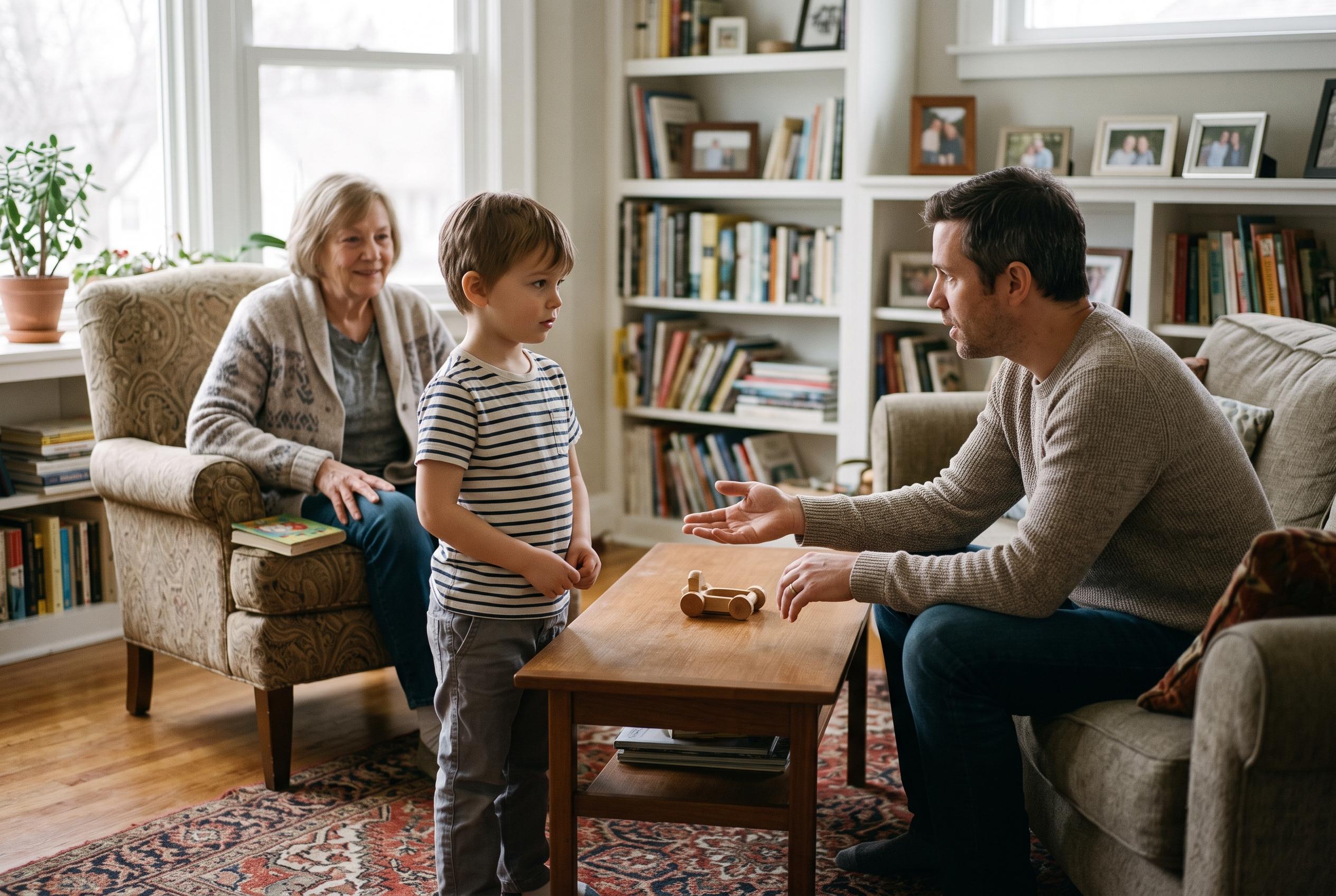

Child therapists warn that well-meaning grandparent behaviours, such as encouraging secrets and physical affection without consent, can undermine children’s sense of safety and autonomy. Experts advocate for clear boundaries, open communication, and respecting parental roles to foster healthy relationships.
Grandparents often play one of the most loving roles in a child’s life, filling family memories with warmth, stories and affection. But child therapists say some common habits, even when driven by care, can quietly undermine a child’s sense of safety, privacy and trust. The concern is not that grandparents are unkind, but that small, repeated messages can teach children the wrong lessons about boundaries, authority and their own bodies.
One of the most frequently flagged mistakes is encouraging children to keep secrets from their parents. Genelle Amodio, a licensed mental health specialist at Way Point Wellness, told the South China Morning Post that even a so-called harmless secret, such as sneaking sweets before dinner or staying up late, can blur an important line. If children are taught that closeness with a grandparent depends on hiding things from mum or dad, they may be less likely to speak up later if an interaction makes them uncomfortable. A better approach is to keep the tone affectionate but transparent, such as asking parents first before bending a rule.
Forcing hugs and kisses can also send the wrong message. Corey Reed-Fanas, founder of Rocky Mountain Counselling Collective, told the same publication that when a child says no, whether with words or body language, and an adult ignores that refusal, the child learns that comfort matters less than politeness. That can make it harder for children to recognise and defend personal boundaries. Therapists say children should be offered choices instead, such as a hug, a handshake or a wave, and should be allowed to decide for themselves.
Another problem is undermining parents in front of the child. Kaitlyn Severin, a marriage and family therapist and co-founder of Cultiva Teen Roots, said even well-meaning grandparents can slip into this behaviour when they disagree with house rules or want to be seen as the fun relative. Reuters-style family guidance echoed in other parenting reports suggests the issue often shows up in small gestures, from eye-rolling over screen-time limits to ignoring bedtime routines. The fix is usually simple: align with the parents on expectations, and save the spoiling for moments that have been agreed in advance.
Comments about a child’s body, size, appetite or eating habits can also do lasting harm. Wildaliz Caro, a licensed clinical psychologist at The Healing Centre Cherry Hill, told the South China Morning Post that even remarks intended as compliments can make children feel watched and judged. Other parenting outlets have made similar warnings, noting that remarks about weight or food can feed shame and anxiety around eating. Specialists say it is better to praise character and behaviour, such as kindness, curiosity, creativity or persistence, rather than appearance.
A final habit that can hold children back is speaking for them too often. Max Duchaine, a licensed psychologist and co-founder and chief executive of KMN Psych, said children need time and space to answer for themselves, even if they are shy. When adults step in too quickly, children lose chances to practise communication and build confidence. Grandparents can still be supportive by waiting patiently, encouraging rather than interrupting, and showing that a child’s thoughts are worth hearing.
The broader message from child specialists is straightforward: affection is healthiest when it respects a child’s autonomy. Grandparents do not have to be strict or distant to be helpful. They simply need to remember that warmth works best when it is paired with clear boundaries, open communication and respect for the parents’ role.
Disclaimer: This content is for informational purposes only and is not intended to be a substitute for professional medical judgment, advice, diagnosis, or treatment.