

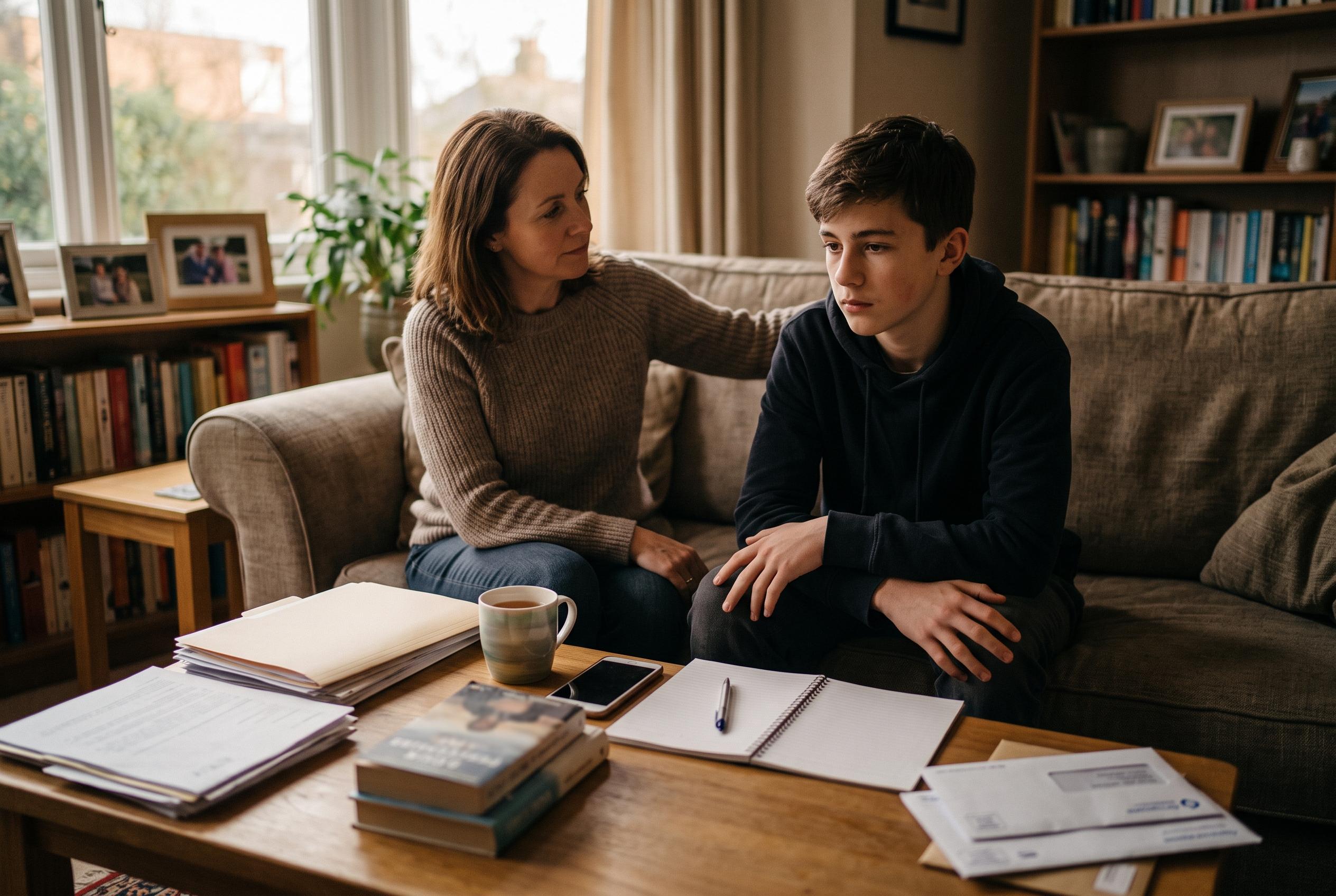

The surge in mental health diagnoses among young people reflects a combination of genuine increases in certain conditions, improved detection, and societal changes, with the pandemic acting as a catalyst, experts reveal.
The rising visibility of mental health in public debate is making one question harder to ignore: are more young people becoming unwell, or are more cases simply being recognised? The answer, specialists say, is probably both. The World Health Organisation estimated near the end of 2025 that more than 1 billion people worldwide were living with mental disorders, a figure that reflects the scale of the issue but does not by itself explain why it feels so much more common in daily life. Research and clinical experience suggest that the story is shaped by real increases in some conditions, better detection, broader diagnostic criteria and a lower tolerance for silence around distress.
Among younger people, the evidence points to a genuine worsening in several areas. Mental health research covering the years from 1990 to 2021 found that the prevalence of mental disorders among 10- to 24-year-olds rose by about 6.8%, while depression increased by roughly 22.5%. A separate cohort study in Southern California, covering around 1.7 million people aged five to 22, found that clinically diagnosed depression rose by about 60% between 2017 and 2021, with anxiety up by 31%. Those increases were seen across different groups, and the sharpest jumps came during the pandemic years.
Covid-19 appears to have been a major accelerant. Studies of children and adolescents found that the first year of the pandemic coincided with a marked rise in depression and anxiety symptoms, while other research reported higher rates of stress and eating disorders, especially among 14- and 15-year-olds. Adult data from the US Centres for Disease Control and Prevention also showed a steep rise in anxiety and depressive symptoms during the pandemic, with the biggest increases among younger adults. For some people, the illness itself may have added to the risk: studies have linked a previous Covid infection with a higher likelihood of later anxiety, depression and sleep problems.
But not every increase in the numbers means more illness in the narrowest sense. Psychiatrists say changing diagnostic frameworks have widened the net, bringing more people into recognised categories. Autism is one example: once defined far more narrowly, it is now understood as a spectrum, which has greatly expanded the number of people who qualify for diagnosis. At the same time, greater public awareness and easier access to screening have encouraged more people to seek help. That is important progress, but it also means that raw figures can overstate the extent of a single trend if they are read without context.
There is also a difference between distress and a mental disorder. Clinicians caution that not every bad week, difficult period or emotional setback should be treated as a diagnosis, especially when online questionnaires are used too casually. Those tools can be useful for flagging possible problems, but on their own they do not establish a condition. Social media adds another layer of pressure. Heavy use, constant comparison and reduced face-to-face contact can worsen symptoms, particularly for teenagers and young adults already dealing with stress, bullying or family strain.
The groups most often described as vulnerable are the same ones carrying the heaviest social burdens: young people, women, those with a history of mental illness and people facing poverty, violence, unemployment or limited access to care. For adolescents, the risks are compounded by academic pressure, digital life and cyberbullying. Specialists say the most worrying sign may be that symptoms are appearing earlier in life, raising the possibility of longer-term effects unless support arrives sooner. The clearest conclusion, then, is that the apparent surge in mental health problems is not a statistical illusion. It reflects a real rise in some conditions, but also a society that is more willing and better equipped to notice them.
Disclaimer: This content is for informational purposes only and is not intended to be a substitute for professional medical judgment, advice, diagnosis, or treatment.



