

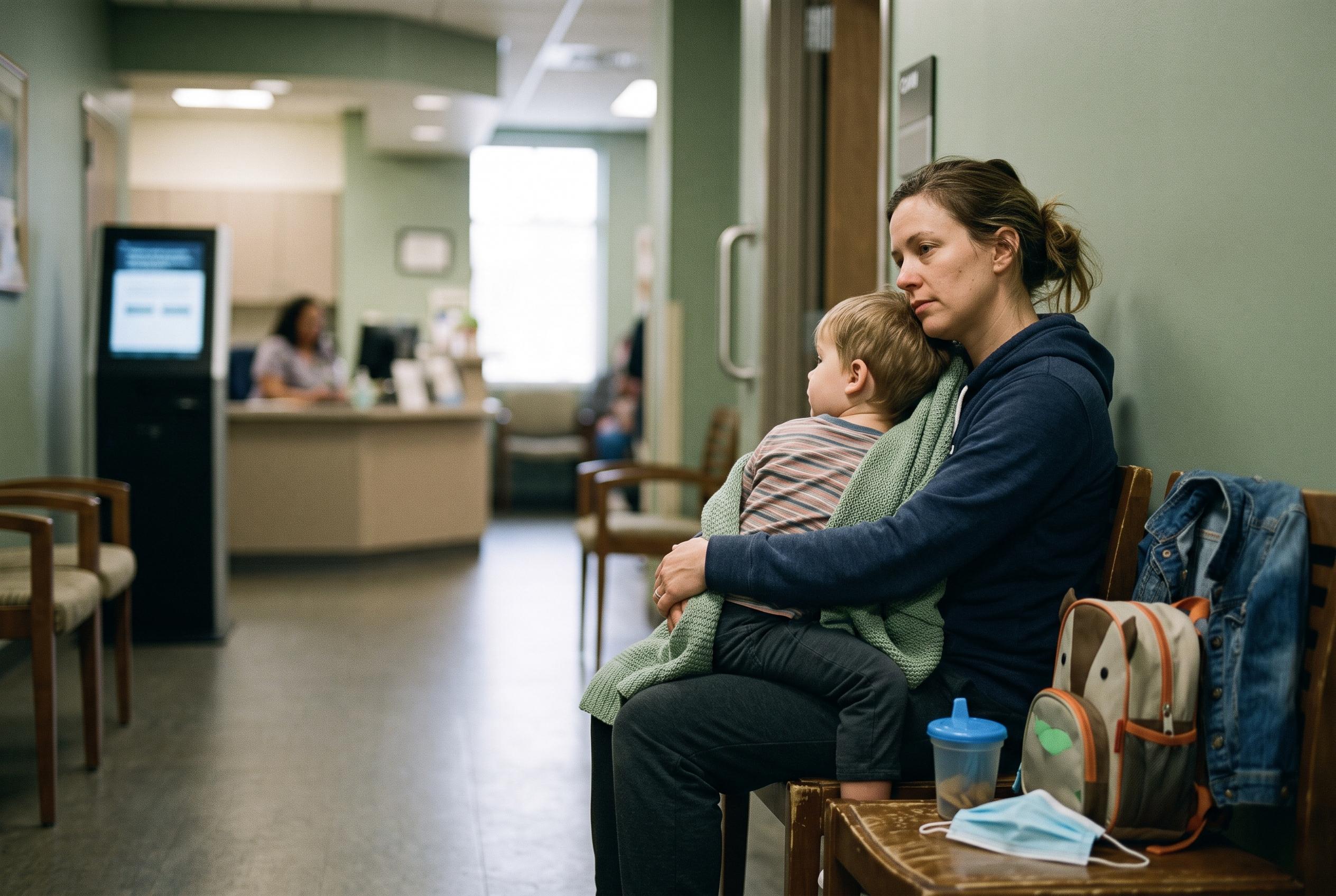

Nearly three weeks after federal approval, many low-income children remain unable to access the new COVID-19 vaccines through the Vaccines for Children programme due to administrative delays and policy disputes, leaving vulnerable populations at risk during respiratory virus season.
Nearly three weeks after federal regulators approved updated COVID-19 vaccines for the autumn season, many children were still unable to receive shots through the main public safety-net programme that serves low-income families. The holdup has left parents, paediatricians and state health officials navigating a patchwork of access just as respiratory virus season begins to build. According to the Seattle Times and later reporting by the American Academy of Paediatrics, the problem has centred on whether the federal government would make the doses available through Vaccines for Children, the programme that covers uninsured and underinsured children, children on Medicaid and Native American children.
The Food and Drug Administration approved the updated mRNA vaccines on August 22, 2024, saying they were designed to better match currently circulating variants and were available for people as young as six months old. Even so, as of mid-September, federal officials had still not completed a decision on whether the paediatric doses would be included in the Vaccines for Children programme. Emily Hilliard, a spokeswoman for the Department of Health and Human Services, said the department was finalising its decision and argued that taxpayer-funded vaccine purchases should be reserved for populations the programme is meant to serve.
That delay has mattered because access is not equal outside the federal programme. Children with private insurance can generally get vaccinated, and families able to pay out of pocket may also obtain the shots. But in some states, pharmacists are not allowed to vaccinate younger children, and not every paediatric practice has stocked the new doses. Pfizer and Moderna have said they shipped paediatric vaccines and were not facing supply shortages, which suggests the bottleneck is administrative rather than manufacturing-related.
The uncertainty has also played out against a broader dispute over vaccine policy. The CDC’s Advisory Committee on Immunization Practices, which normally votes on whether vaccines are covered under Vaccines for Children, has been in limbo after a federal judge ruled in March that members appointed by Health Secretary Robert F. Kennedy Jr. were not qualified to make vaccine recommendations. A person familiar with CDC planning told the Seattle Times that career staff wanted the programme to cover the new shots. Dr Michelle Fiscus of the Association of Immunization Managers said the delay was frustrating but not surprising, noting that a similar lag occurred last year. By September 24, according to AAP News, the CDC had opened ordering for COVID-19 vaccines through Vaccines for Children, suggesting the logjam was beginning to ease, though availability would still vary from state to state.
Disclaimer: This content is for informational purposes only and is not intended to be a substitute for professional medical judgment, advice, diagnosis, or treatment.



