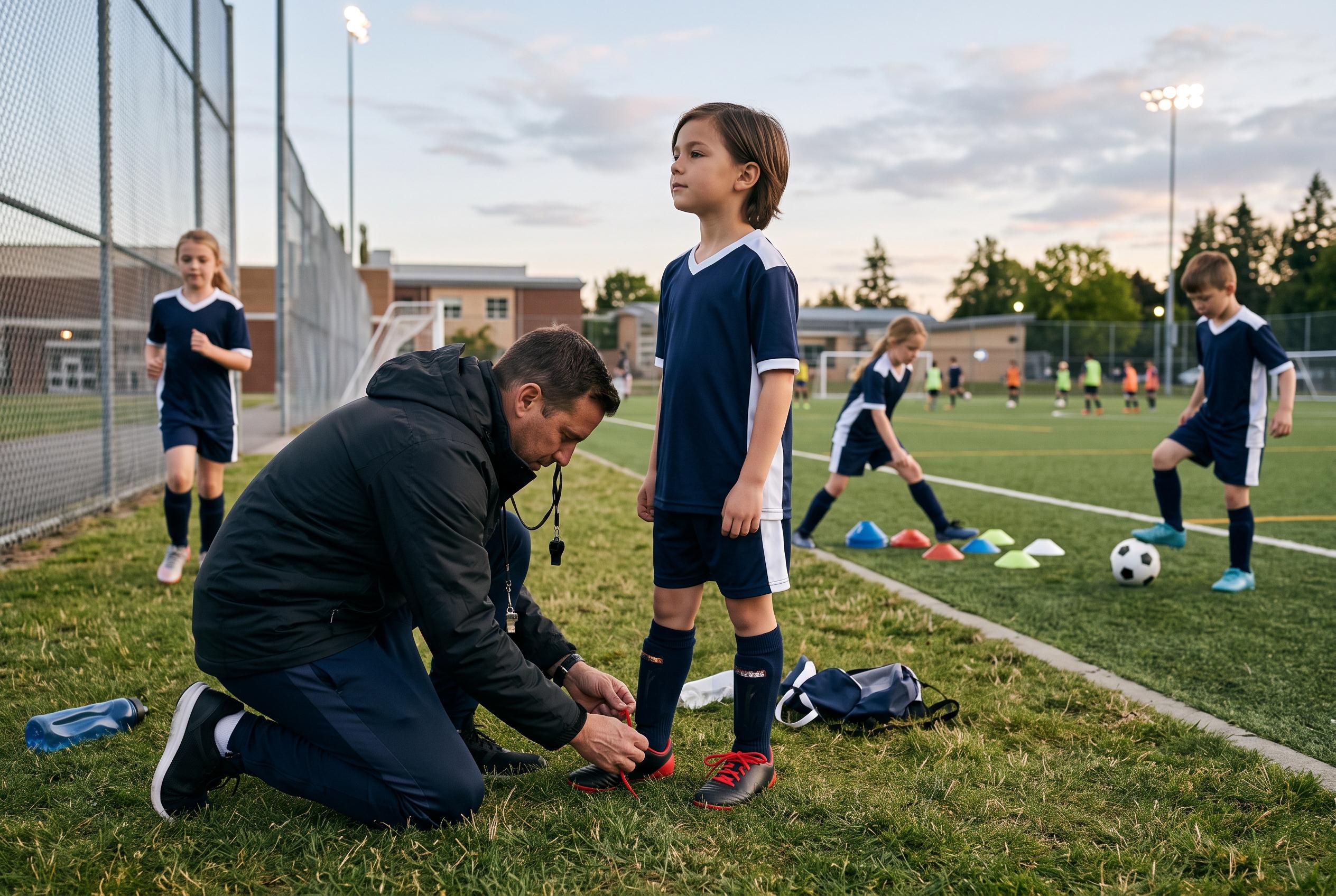

Child success in sports try-outs hinges on more than athletic skill; preparation, attitude, and resilience often play a decisive role. Experts advise parents to create a calm environment and focus on confidence and effort, helping children stand out regardless of the final selection.
Helping a child through sports try-outs is about more than polishing a jump shot or a sprint time. The most reliable advice from youth-sports coaches and training guides is that preparation, attitude and composure often matter as much as raw ability. Children who arrive rested, equipped and ready to listen generally give themselves a better chance of standing out, even when the competition is strong.
Physical readiness is the starting point. Children do not need elite conditioning, but they do need enough fitness to keep up through repeated drills, scrimmages and short bursts of intense effort. Guidance from Children’s Health and other youth-sports specialists suggests a sensible run-up that builds general stamina, basic strength and sport-specific skills without overtraining. For young hockey players, for example, coaches often look closely at skating ability, competitiveness and how well a player handles puck battles; in football, coaches tend to notice effort, decision-making and how a player reacts after mistakes.
The way a child carries themselves can be just as revealing as the way they move. Coaches commonly read body language as a sign of confidence and coachability, which means they notice whether a player makes eye contact, keeps their shoulders open and stays engaged after a setback. Soccer try-out guides from youth academies and family sports programmes also advise parents to make sure children arrive early, sleep well, eat familiar meals and come prepared with the right kit, so the day feels steady rather than rushed.
Team sports reward children who make the people around them better. In basketball, that can mean talking on defence, helping a teammate up, sprinting back on transition and fighting for rebounds. In soccer, the same principle shows up in communication, effort and a willingness to recover quickly after a poor touch or missed chance. Youth basketball coaching guides say evaluators often focus less on flashy plays than on the basics: dribbling, passing, finishing and working hard through every rep.
There is also value in the quieter habits that can tip a close decision. Several youth-sports coaches stress the importance of doing the small things well: listening closely, hustling to each station, showing up on time and staying attentive between drills. A child who is coachable, positive and eager to learn can sometimes outshine a more gifted player who seems distracted or overly focused on impressing people.
For parents, the most helpful role is often to create a calm, predictable environment and then let the child compete. Sports prepare children for disappointment as much as success, and not every try-out ends with a place on the team. But families who treat the experience as a chance to learn, improve and show resilience give children something more durable than selection: confidence they can carry into the next season, the next team and the next challenge.
Disclaimer: This content is for informational purposes only and is not intended to be a substitute for professional medical judgment, advice, diagnosis, or treatment.