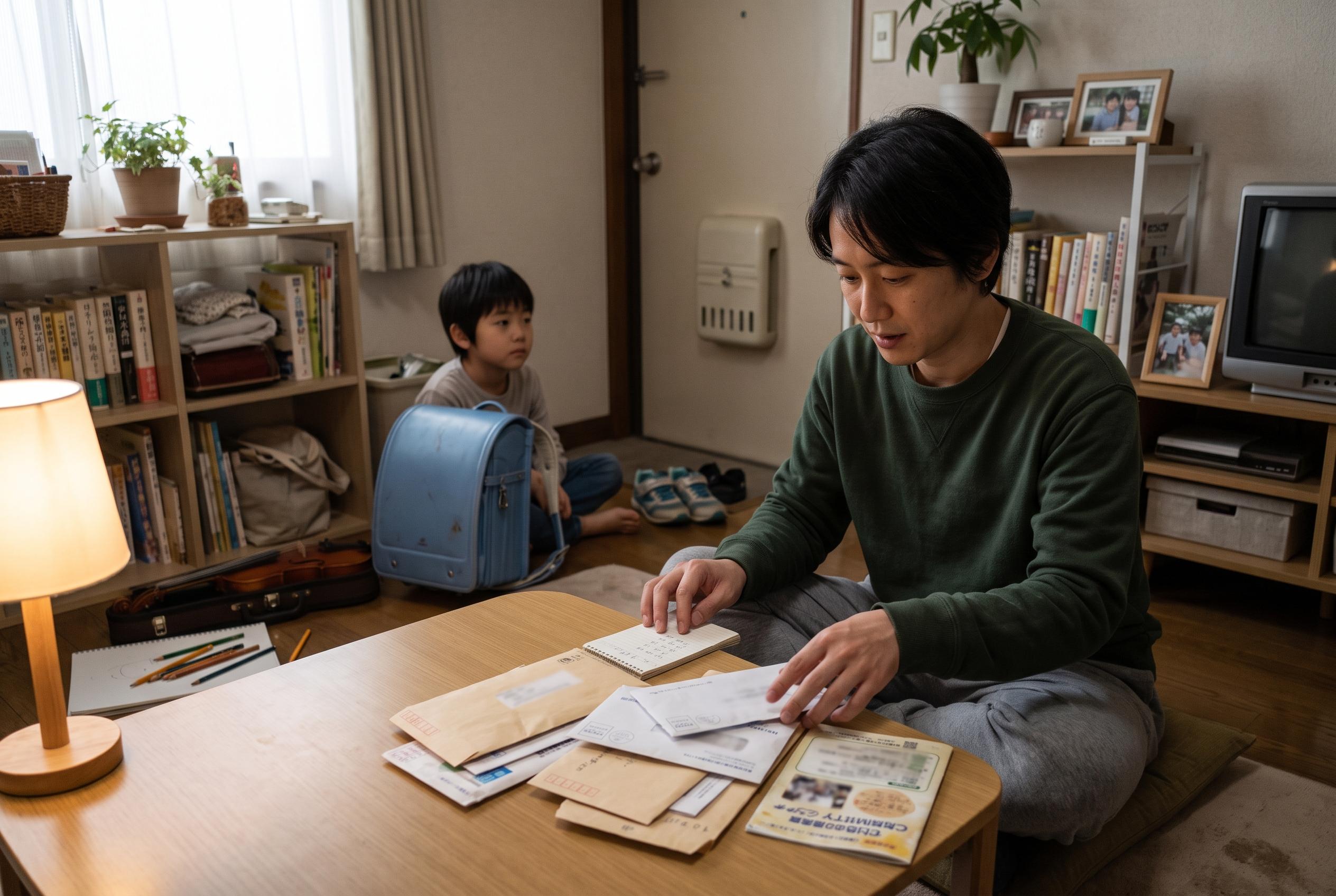

A recent survey highlights how economic hardship is denying children in low-income households access to enriching extracurricular activities, deepening educational disparities amid rising prices that strain family budgets.
A new survey by Chance for Children has found that about three in 10 children in low-income households took part in none of the extracurricular activities that can broaden learning and life experience over the past year, underscoring how sharply family income shapes access to opportunities outside school. The Tokyo-based public interest association said its online survey, carried out in March among 7,374 parents nationwide, covered children from first-year primary pupils to those in the final year of high school. It defined low-income households as those with annual incomes below ¥3 million and higher-income households as those earning at least ¥6 million.
The disparity was wide. Among low-income households, 30.5% said their children had not joined any lessons, school clubs, volunteer work, travel or visits to arts and cultural events over the previous year. In households earning at least ¥6 million, the figure was 14.1%. Average annual spending on these activities was about ¥44,000 in low-income households, compared with about ¥117,000 in the higher-income group.
The findings echo earlier research by the same organisation. In a 2022 survey reported by The Japan Times in 2023, nearly 30% of children in households earning less than ¥3 million had no extracurricular participation, compared with 11.3% in households earning more than ¥6 million. More recent summaries of the latest survey suggest the gap is especially stark among younger pupils, with roughly a quarter of elementary-school children and just over 30% of junior high students in the lowest income band missing out on such experiences, while the share in the highest income bracket was far lower.
Rising prices appear to be making the problem worse. Among low-income households that had cut spending on activities outside school, 76.5% said necessities had become more expensive, a sign that food, energy and other everyday costs are squeezing family budgets. Yusuke Imai, representative director of Chance for Children, said the divide in children’s experiences stems from differences in household circumstances and urged national and local governments to do more for families under financial pressure so that children can learn more widely.
Disclaimer: This content is for informational purposes only and is not intended to be a substitute for professional medical judgment, advice, diagnosis, or treatment.