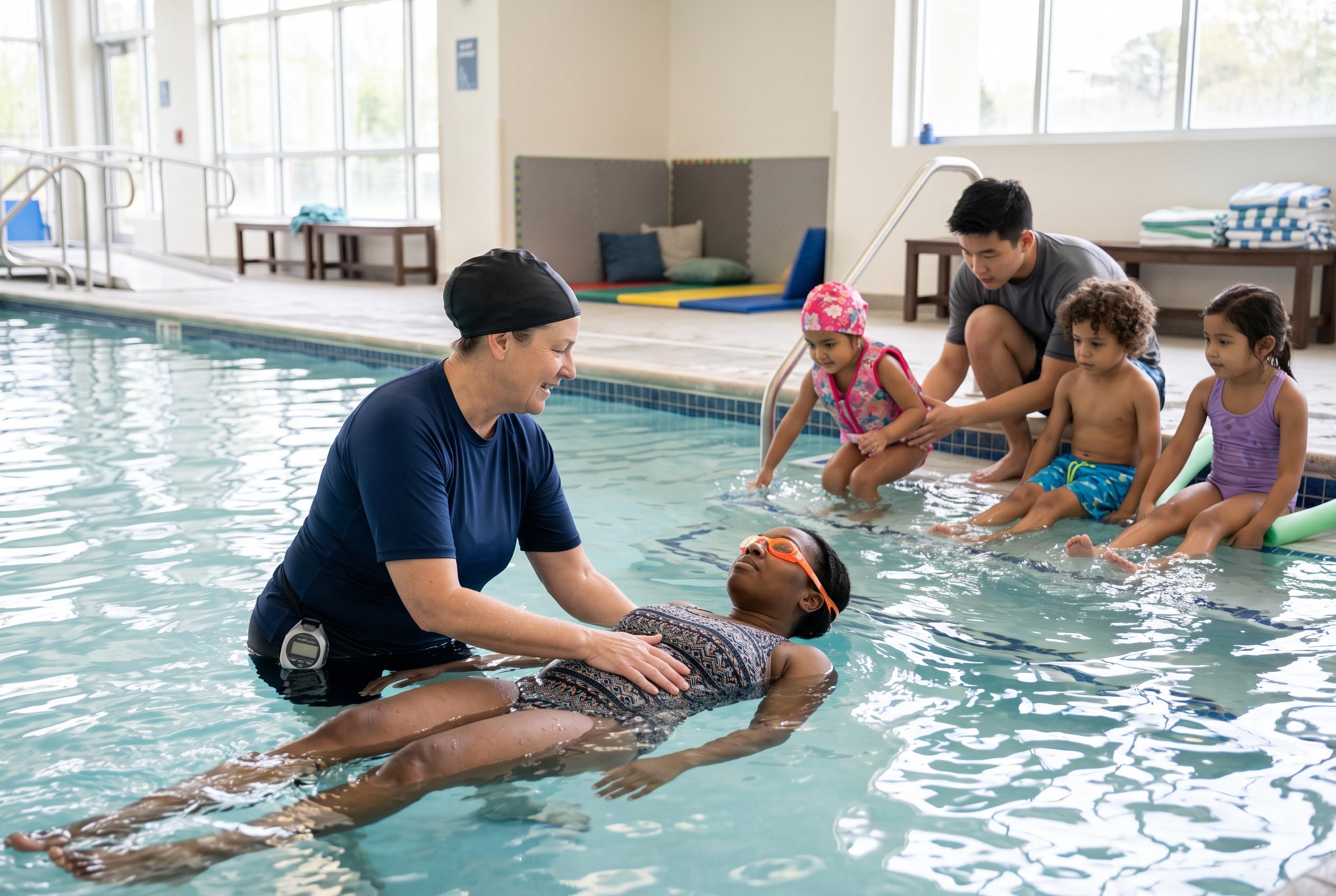

Modern swimming lessons are evolving to embrace diversity, emphasising flexibility, empathy, and tailored approaches that enable all children and adults to participate confidently and safely in water activities.
Mainstream swimming lessons have changed markedly over the past decade, and the modern poolside now brings together children and adults with a far wider range of abilities, communication styles, sensory needs and emotional relationships with water. The World Wide Swim School argues that this diversity is not an exception to be managed away but the everyday reality of aquatic education, and that teaching must therefore be built around flexibility, empathy and careful planning. That view is echoed by adaptive aquatics specialists, who describe inclusive water-based programmes as a way to provide safe, effective instruction for people with physical, cognitive, sensory or behavioural challenges.
For parents and caregivers, the most important point is that confidence often has to come before competence. A swimmer who feels secure is more likely to try submerging, floating, kicking or coordinating breathing, which is why predictable lesson routines, calm instruction and steady reassurance matter so much. Groups that include neurodivergent swimmers can benefit especially from lessons that are structured, clear and adaptable, with instructors assessing individual needs early and adjusting pace, environment and teaching style accordingly. That approach is also consistent with broader group teaching guidance, which stresses simple explanations, visible routines and well-set pool rules.
The practical tools recommended by inclusive teaching specialists are designed to support the whole class rather than single out any one child. Visual lesson boards can help swimmers see what is coming next and reduce anxiety. Behaviour cards may make expectations easier to understand when verbal reminders are not enough. Communication charts can give non-speaking or processing-sensitive swimmers another way to express needs, while a quiet regulation space, sometimes described as a mindful mat, can help a child recover after sensory overload before returning to the group. A clear lesson sequence, paired with repetition and enough variety to keep children engaged, can make group teaching more manageable for instructors and less overwhelming for learners.
Flexibility inside a mixed-ability class is also key. Specialists in group swim teaching say the most effective lessons are often those in which swimmers are grouped sensibly, given clear goals and rotated through activities that match their stage of learning. Inclusive teaching adds another layer: rather than judging progress only by distance swum or perfect technique, instructors are encouraged to recognise smaller but meaningful gains, such as tolerating water on the face, maintaining a stable body position or showing greater emotional control. For some children, especially those who are neurodivergent or who come from cultural backgrounds where swimming is less familiar, the first signs of progress may be trust, participation and comfort rather than performance.
That broader view of success matters because modern inclusive swimming is not only about adaptation for one learner at a time; it is about shaping lessons so that everyone can take part with dignity and purpose. Culturally responsive programmes also point to the importance of representation, staff training and communication with families, arguing that children are more likely to feel understood when the environment reflects their background and needs. The strongest lessons, then, are those in which mainstream teaching and adapted practice work together: instructors plan with inclusion in mind, supervisors support consistency, and managers treat accessibility as part of everyday standards rather than an optional extra. For families, that can mean a safer, calmer and more rewarding path into the water.
Disclaimer: This content is for informational purposes only and is not intended to be a substitute for professional medical judgment, advice, diagnosis, or treatment.