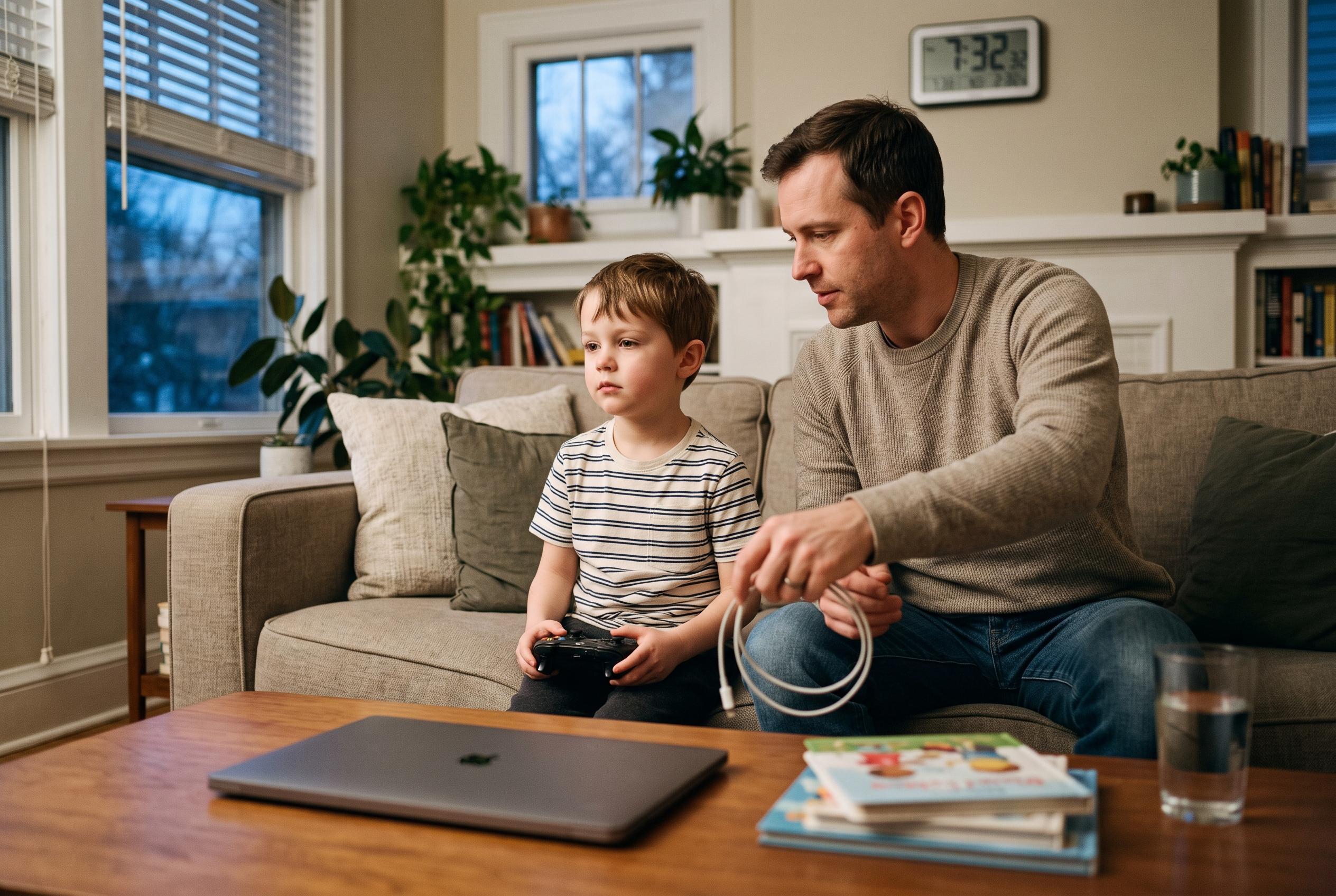

Child and family psychologist Maria Novikova highlights warning signs of problematic gaming in children, urging parents to establish consistent digital rules and seek help if necessary to prevent long-term impacts on behaviour and wellbeing.
Children who lose interest in school, outdoor play and face-to-face conversation may be showing early signs of a gaming problem, according to child and family psychologist Maria Novikova, who spoke to Kherson News Agency. She said other warning signs include playing late into the night, skipping meals, hiding how long they spend on a computer and reacting sharply when screen time is cut back.
Novikova said parents should pay close attention when gaming becomes a default escape after an argument, a setback or a difficult assignment. If the behaviour continues for more than a month and is accompanied by worse grades, mood changes or physical complaints, she advised seeking help from a psychologist.
Health guidance from organisations such as Patient.info, WebMD and Children’s Health in the United States echoes those concerns, pointing to compulsive thoughts about games, distress when play is interrupted and a growing neglect of other interests. Some specialists also warn that long stretches of uninterrupted play, sometimes described as binge gaming, can affect sleep, mood and school performance.
Novikova suggested that prevention works best when families set the same digital rules for everyone at home. She recommended avoiding devices at meals and in the hour before bed, agreeing gaming limits and in-game spending together and treating parental controls as a safeguard rather than a punishment. She also said children should be warned before playtime ends so the switch to another activity is less abrupt.
Disclaimer: This content is for informational purposes only and is not intended to be a substitute for professional medical judgment, advice, diagnosis, or treatment.