

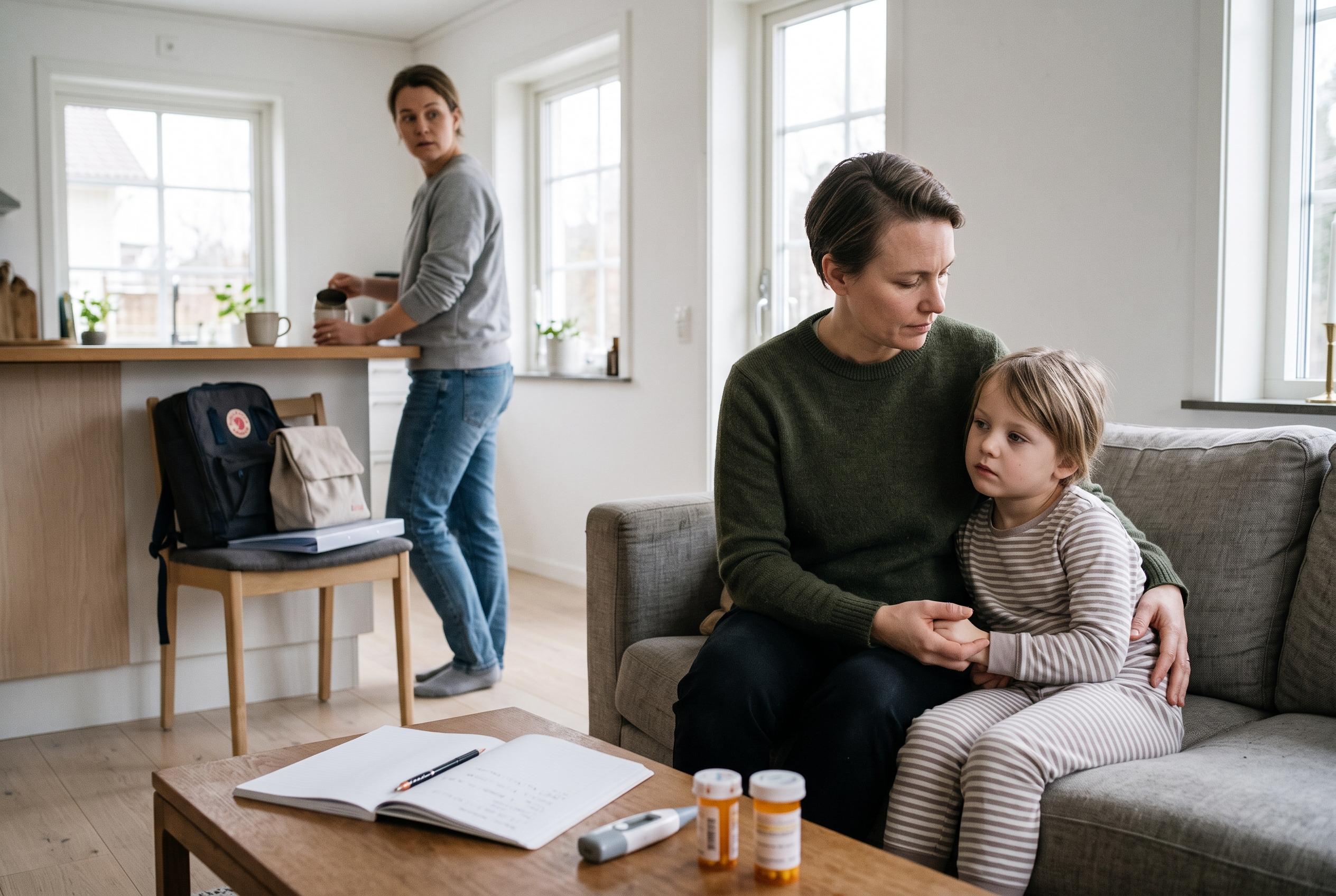

A Swedish study highlights the sudden and bewildering emergence of Pediatric Acute-onset Neuropsychiatric Syndrome (PANS) in children, revealing profound impacts on families and ongoing uncertainties in diagnosis and treatment.
When a child develops PANS, the change can be so abrupt that families describe it as if a different person has arrived overnight. Parents in a Swedish qualitative study said their children’s behaviour, emotions, eating patterns and day-to-day functioning shifted so quickly that they struggled to make sense of what was happening. The report, which interviewed parents of 13 children and adolescents, found that the first flare often arrived as a shock and could leave families feeling disoriented and frightened.
Pediatric Acute-onset Neuropsychiatric Syndrome is defined by the sudden onset of obsessive-compulsive symptoms or severely restricted food intake, together with other acute psychiatric or neurological changes. The National Institute of Mental Health says these may include anxiety, mood swings and sleep disturbance, while Stanford Medicine notes that children may also develop irritability, depression and school difficulties. The American Academy of Pediatrics has said the condition remains hard to diagnose because its symptoms overlap with other disorders and there is no disease-specific biomarker.
The Swedish study suggests the impact of PANS extends well beyond the affected child. Parents described strain on siblings, marital relationships, work and social life, as well as their own health and emotional well-being. Some said family life became organised around managing the illness, with one adult often focused on the child in crisis while the other tried to keep some routine in place for the rest of the household. A larger 2023 caregiver study found similar pressures, with most respondents reporting feeling overwhelmed and a large majority describing high distress.
Repeated flares can add a second layer of fear. In the Swedish study, most of the children had an episodic course, meaning symptoms improved and then returned, while a smaller group had persistent illness. Parents said that after the first episode, they became acutely aware of what another flare could bring, which made them watch for warning signs and live with constant uncertainty. Stanford Children’s Health and the American Academy of Pediatrics both note that the course can vary substantially from child to child.
Seeking care can become part of the burden. Parents in the study described difficulty finding clinicians familiar with PANS and frustration at not having a clear plan when symptoms recurred. That experience fits with guidance from the National Institute of Mental Health and the American Academy of Pediatrics, both of which stress the need for a careful evaluation to rule out other medical or psychiatric explanations before settling on a PANS diagnosis. Because symptoms may resemble primary obsessive-compulsive disorder, anxiety, depression or an eating disorder, the clinical picture often demands a broad and deliberate work-up.
Treatment remains an area of uncertainty, and the parents’ experiences should not be mistaken for proof of effectiveness. In the Swedish study, every child had received antibiotics and many had also been given anti-inflammatory treatment, psychiatric medicines, cognitive behavioural therapy or intravenous immunoglobulin. Some parents reported dramatic improvement after antibiotics, but the research was observational and could not determine whether the drugs caused the change. That caution matters because the American Academy of Pediatrics has taken a more guarded view of antimicrobial and immunomodulatory treatment, while other specialist groups have published more aggressive management approaches based on limited evidence and clinical experience.
The question of Lyme disease often enters the discussion, but the relationship remains unsettled. The Swedish paper notes Lyme disease among infectious conditions discussed in the PANS literature, yet it did not establish Lyme disease as the cause of the children’s symptoms. The 2015 consensus literature and later specialist reviews have both said that Lyme-associated PANS has not been unequivocally demonstrated in the published record they reviewed. Even so, a history of tick exposure, a rash, facial palsy, joint swelling, headaches or other compatible signs may justify evaluating Lyme disease on its own merits rather than assuming it explains the entire picture.
For parents, the most useful contribution may be a detailed timeline: what changed, how fast it changed and what else was happening at the time. Tracking the onset of obsessive-compulsive behaviour, restrictive eating, sleep disturbance, urinary symptoms, sensory changes, regression or school problems can help clinicians judge whether the presentation was truly abrupt and whether other medical causes should be considered. The Swedish study and broader caregiver research also make clear that parents themselves need support. A severe, unpredictable illness in a child can unsettle an entire family, and recognising that burden is part of good care.
Disclaimer: This content is for informational purposes only and is not intended to be a substitute for professional medical judgment, advice, diagnosis, or treatment.



