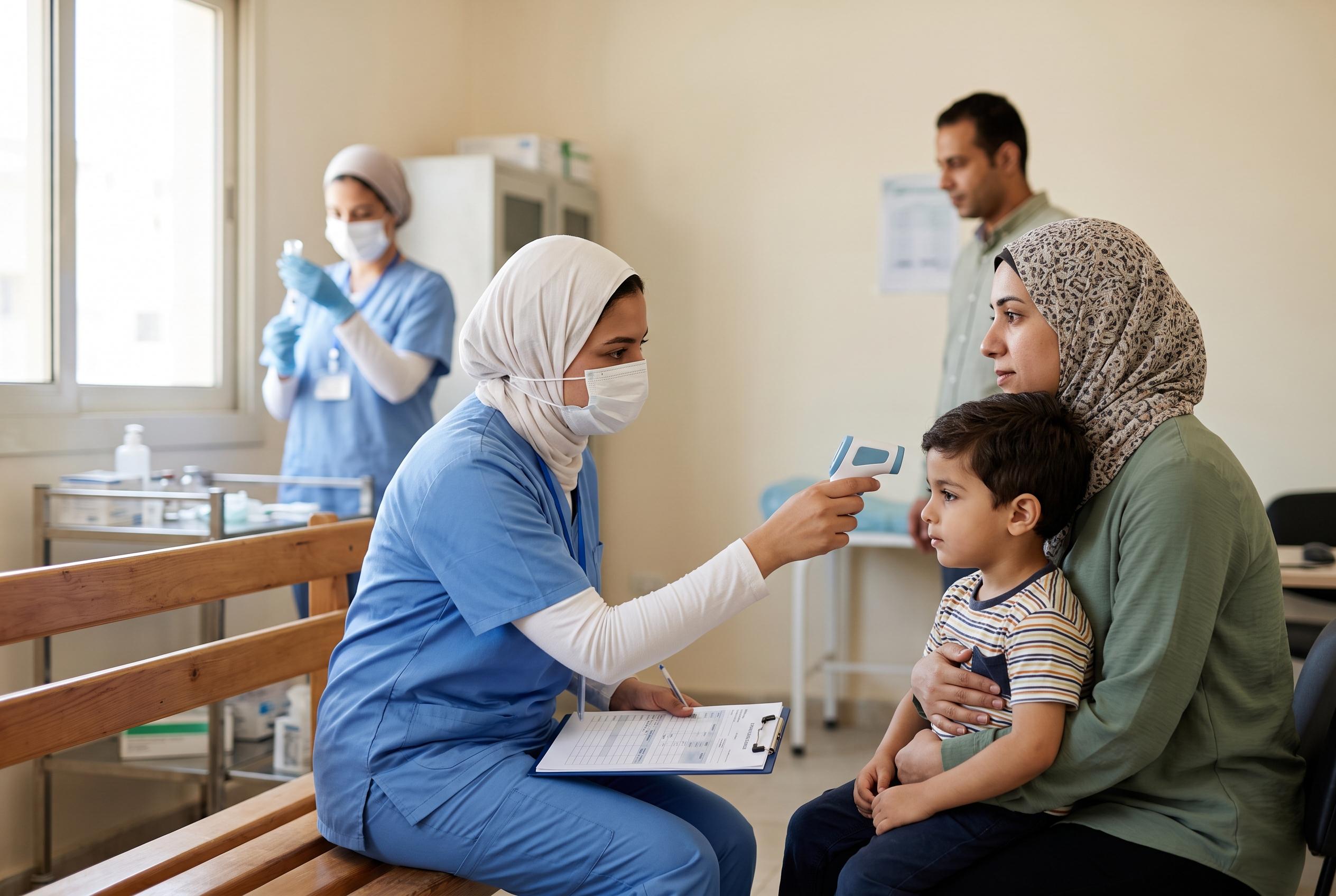

Egypt prepares to roll out a nationwide measles and rubella vaccination drive for 21 million children, highlighting the importance of personalised medical assessment for safer immunisation amid various health considerations.
Parents are being reminded that a child’s illness does not automatically mean measles and rubella vaccination must be postponed, as Egypt prepares to begin its nationwide campaign against the two diseases on 1 October. The Ministry of Health and Population says the jab, which uses a live attenuated vaccine, should be assessed case by case rather than ruled out simply because a child is unwell. According to the ministry’s guidance, mild symptoms or a minor illness do not necessarily prevent vaccination, but a more serious acute condition may lead doctors to delay the dose briefly until the child recovers.
The campaign is set to reach about 21 million children aged nine months to 10 years, including Egyptian and non-Egyptian residents, and will be rolled out across all governorates. Masrawy reported that vaccinations will be available at more than 5,000 points, backed by branch and main vaccine stores to help ensure supply. Hossam Abdel Ghaffar, the ministry’s official spokesman, said the effort is intended to protect community immunity and prevent outbreaks, with around 23 million doses prepared.
The health ministry has also set out the main medical situations in which the vaccine may need extra caution or specialist review. These include a previous severe allergic reaction or anaphylactic shock after an earlier dose or to one of the vaccine’s components, as well as severe immune deficiency or treatment that significantly suppresses the immune system. In such cases, the child should not simply be brought in for routine vaccination without proper medical assessment, because the decision depends on the child’s history, current condition and any medicines being used.
Doctors may also advise a temporary delay if a child has a moderate or severe illness, especially one accompanied by fever. The same applies when a child has recently received blood products, plasma or immunoglobulin-containing preparations, which can affect the timing of live vaccines. The ministry says parents should tell the vaccination team about chronic illness, medication, previous allergic reactions or any unusual response to earlier vaccines, and should not stop prescribed treatment or change its timing on their own in order to fit a vaccination date.
Concern about egg allergy is not, by itself, a routine reason to avoid the measles vaccine, according to the ministry’s advice. Even so, parents are urged to share the child’s full medical history before the injection, particularly if there has ever been a severe reaction after any vaccination. The guidance is intended to help families understand that most children can still be protected safely, but some will need individual medical judgement before they are vaccinated.
Disclaimer: This content is for informational purposes only and is not intended to be a substitute for professional medical judgment, advice, diagnosis, or treatment.