

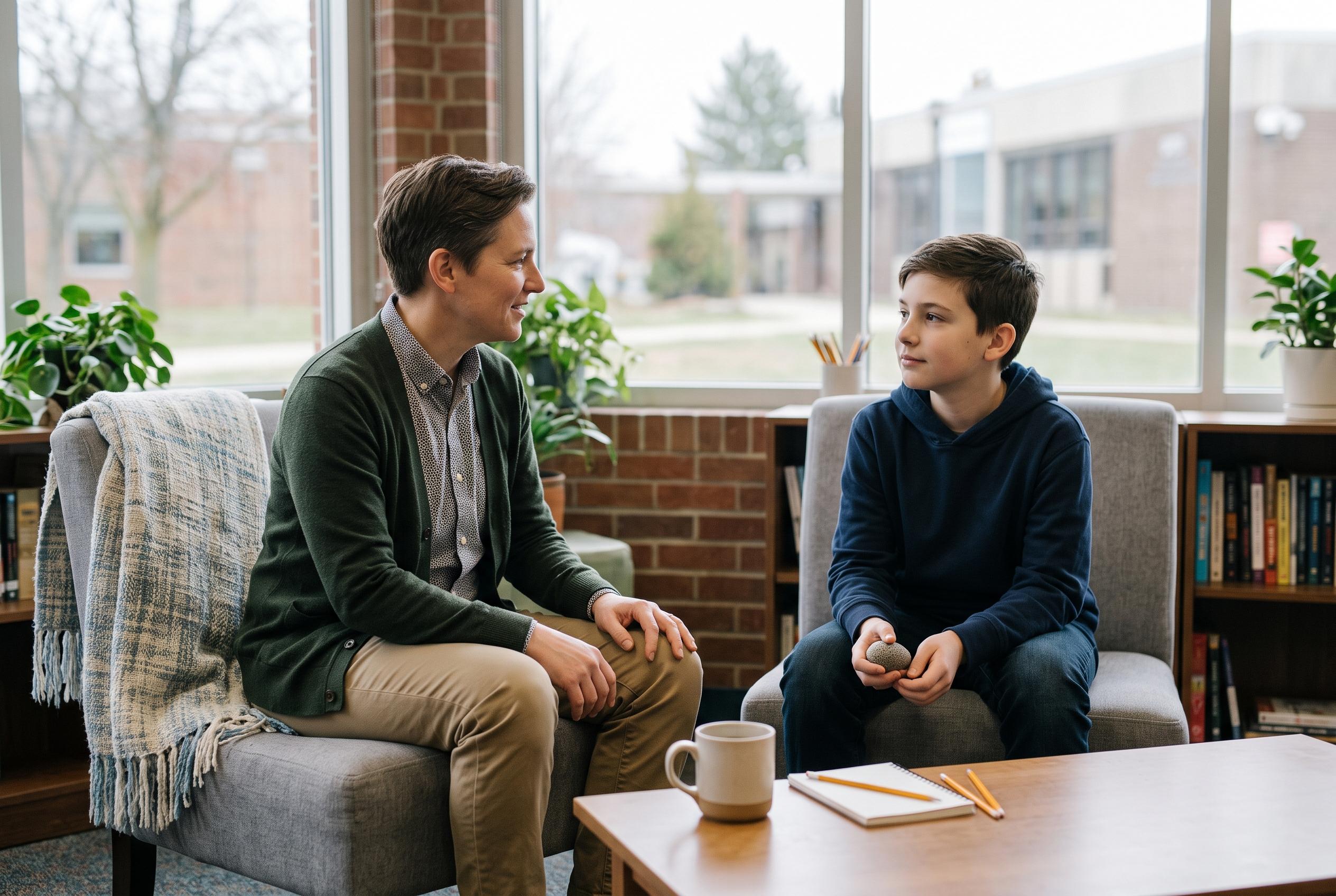

Researchers from Utah State University Extension emphasise the importance of recognising stress and trauma in young people and offer practical strategies for adults to support emotional wellbeing and resilience.
Utah State University Extension researchers are urging parents, teachers and youth workers to look beyond disruptive behaviour and consider whether stress or trauma may be driving it. In a new fact sheet, faculty members Cara Murray, Anna Gilliam, Jared Hawkins and Christina Pay say that adverse childhood experiences, or ACEs, can shape how young people think, feel and respond long after the original event has passed.
The guidance uses a simple classroom example: a sixth-form pupil who began missing work and lashing out after her parents divorced over the summer. According to the fact sheet, experiences such as family instability, bereavement, bullying and exposure to violence can affect brain development, emotional regulation, attention, relationships and the ability to cope with later stress. The Centres for Disease Control and Prevention says ACEs can also contribute to toxic stress, with long-term consequences for health and well-being, and stresses the value of safe, stable, nurturing relationships and environments.
The Extension researchers say adults do not need clinical training to help. What matters most, they argue, is creating surroundings that feel predictable and supportive. Their recommendations include keeping routines steady, offering limited choices so children have a sense of control, responding calmly, listening before correcting, and praising effort as well as progress. They also encourage adults to build healthy connections between young people and trusted peers or mentors, since those relationships can strengthen confidence and resilience.
The fact sheet also addresses difficult disclosures. If a child mentions self-harm, suicide, abuse or another immediate danger, adults should stay calm, take the concern seriously and follow reporting procedures rather than promising secrecy. The authors say caring adults are not expected to replace therapists, but they can offer consistency, empathy and a route to professional help when needed. They also note that supporting traumatised young people can weigh heavily on adults themselves, making boundaries and colleague support important. For people in Utah, the resource points to the SafeUT app and the Utah Crisis Line at 988, while nationally the 988 Suicide and Crisis Lifeline and the Crisis Text Line, reached by texting HOME to 741741, are listed as options.
Disclaimer: This content is for informational purposes only and is not intended to be a substitute for professional medical judgment, advice, diagnosis, or treatment.



