

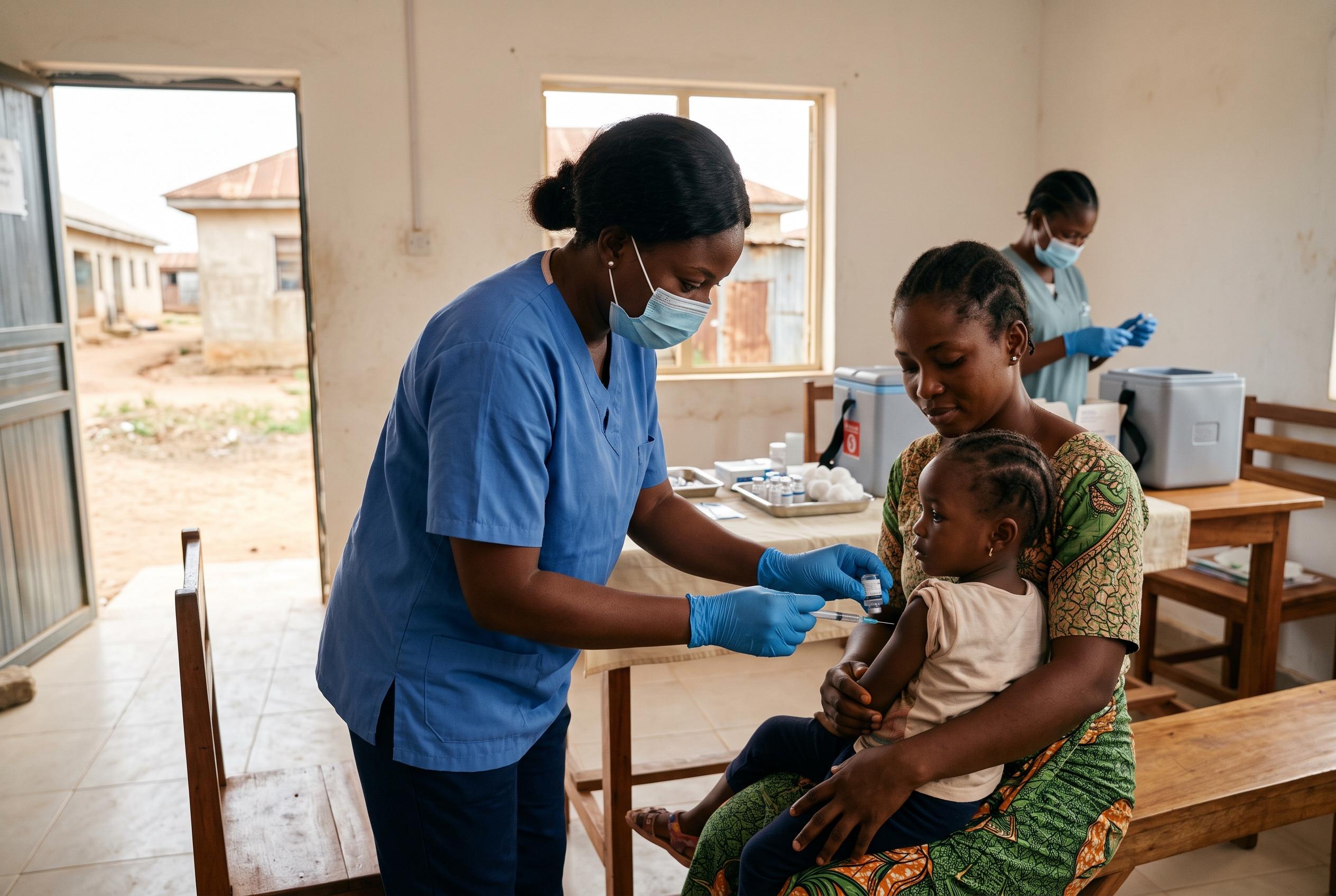

Despite ongoing vaccination efforts, Nigeria faces a persistent diphtheria surge in 2026, driven by immunisation gaps, insecurity, and hard-to-reach communities, with recent figures highlighting a devastating impact across multiple states.
Nigeria is once again grappling with a major diphtheria outbreak, with health authorities warning that the disease has continued to spread through 2026 despite vaccination drives and other containment efforts. According to figures cited by the Nigeria Centre for Disease Control and Prevention, the country had recorded 12,977 suspected cases, 10,476 confirmed infections and 406 deaths by September 2026, underscoring how entrenched the crisis has become. The World Health Organization said the earlier phase of the outbreak in 2025 affected dozens of local government areas across 30 states and hit children and adolescents hardest, largely because of low immunisation coverage.
Diphtheria is a bacterial infection that usually begins in the nose and throat, but its main danger comes from the toxin produced by the bacteria, which can damage tissues and lead to life-threatening complications. The World Health Organization says the disease spreads through respiratory droplets and close contact, which means schools, households, markets and health facilities can all become transmission points. Symptoms can include fever, sore throat, swollen neck glands, weakness, and difficulty swallowing or breathing. Children who are unvaccinated or only partly vaccinated face the greatest risk, although vaccination does not make infection impossible; it mainly reduces the chance of severe illness and death.
Public health officials say the outbreak is being driven by deep gaps in routine immunisation, especially in the north of the country. NCDC data show that about 68% of confirmed cases were unvaccinated, while another 28% had unknown vaccination status. WHO said more than 2 million children were under-immunised in 2025, including many with zero doses, creating the conditions for continued spread. Health experts also point to insecurity, displacement, hard-to-reach communities, delayed treatment seeking, weak surveillance and limited laboratory capacity as factors that have allowed the disease to persist.
The burden is not spread evenly across Nigeria. The NCDC says eight states account for about 98% of confirmed cases: Kano, Kaduna, Katsina, Borno, Bauchi, Plateau, Sokoto and Zamfara. Kano has remained the centre of the outbreak, and Médecins Sans Frontières said the state had recorded more than 31,000 suspected cases and more than 1,500 deaths since the crisis began. In the Federal Capital Territory, health authorities reported five laboratory-confirmed cases and two deaths as of September 11, while Lagos State said it had recorded six confirmed cases from 53 suspected infections and stressed that it was stepping up surveillance rather than facing a widespread outbreak.
Plateau State has emerged as one of the most closely watched flashpoints. State authorities initially reported 143 suspected cases and 23 deaths in late August and early September, before the tally rose to 303 suspected infections and 27 deaths by September 10. The state responded by temporarily closing public and private primary and secondary schools. At the federal level, the government said in August that it had activated an emergency task force for Katsina and Kano and deployed 500,000 vaccine doses as part of a broader effort involving the health ministry, the NCDC, the National Primary Health Care Development Agency, state governments and international partners.
Treatment is available, but timing is critical. Diphtheria antitoxin can neutralise toxin that has not yet attached to tissues, while antibiotics are used to clear the bacteria and reduce further spread. Severe cases may require hospital care, including help with breathing. Health authorities say the most important step for families is to ensure children receive routine vaccines and any catch-up doses recommended by local health workers. The NCDC has also urged anyone with symptoms such as neck swelling, trouble swallowing or breathing difficulties to seek medical attention quickly, as early treatment can be the difference between recovery and death.
Disclaimer: This content is for informational purposes only and is not intended to be a substitute for professional medical judgment, advice, diagnosis, or treatment.



