
Moonbug Entertainment introduces a new framework for preschool programs, emphasising real-life connections, emotional relationships, active post-viewing activities, and diverse storytelling, aiming to align media content with child development research.
Moonbug Entertainment has set out four learning principles intended to shape its preschool storytelling, as the company tries to give parents a clearer sense of what its programmes are meant to teach. The framework, developed with the Center for Scholars & Storytellers at UCLA, is built around real-life moments, positive relationships, learning through play and authentically inclusive stories.
The company says the approach is meant to guide creative teams as they build episodes for brands including CoComelon, Blippi and Little Angel. Dr Yalda T. Uhls, who founded the UCLA centre, said in comments reported by Movieguide that children can learn from media, but only when the material is designed with their development in mind. That distinction is important: a well-made show may support learning, but it still cannot replace an attentive adult.
In practice, the first principle encourages stories rooted in recognisable routines and emotions, with clear action and narration rather than cluttered side plots. The goal is to make it easier for young viewers to follow what is happening and to connect the lesson to everyday life. Movieguide pointed to “FINGER FAMILY” as an example, describing a storyline in which JJ’s father faces delays while collecting relatives and the family works through his stress together.
The second principle focuses on relationships. Moonbug wants its stories to show caregivers listening, reassuring and guiding children, while also modelling sharing, patience, teamwork and repair after conflict. That emphasis reflects a broader belief in early childhood education that social and emotional development is inseparable from academic learning. A programme that shows how people respond to frustration or disappointment can be as valuable as one that teaches colours or numbers.
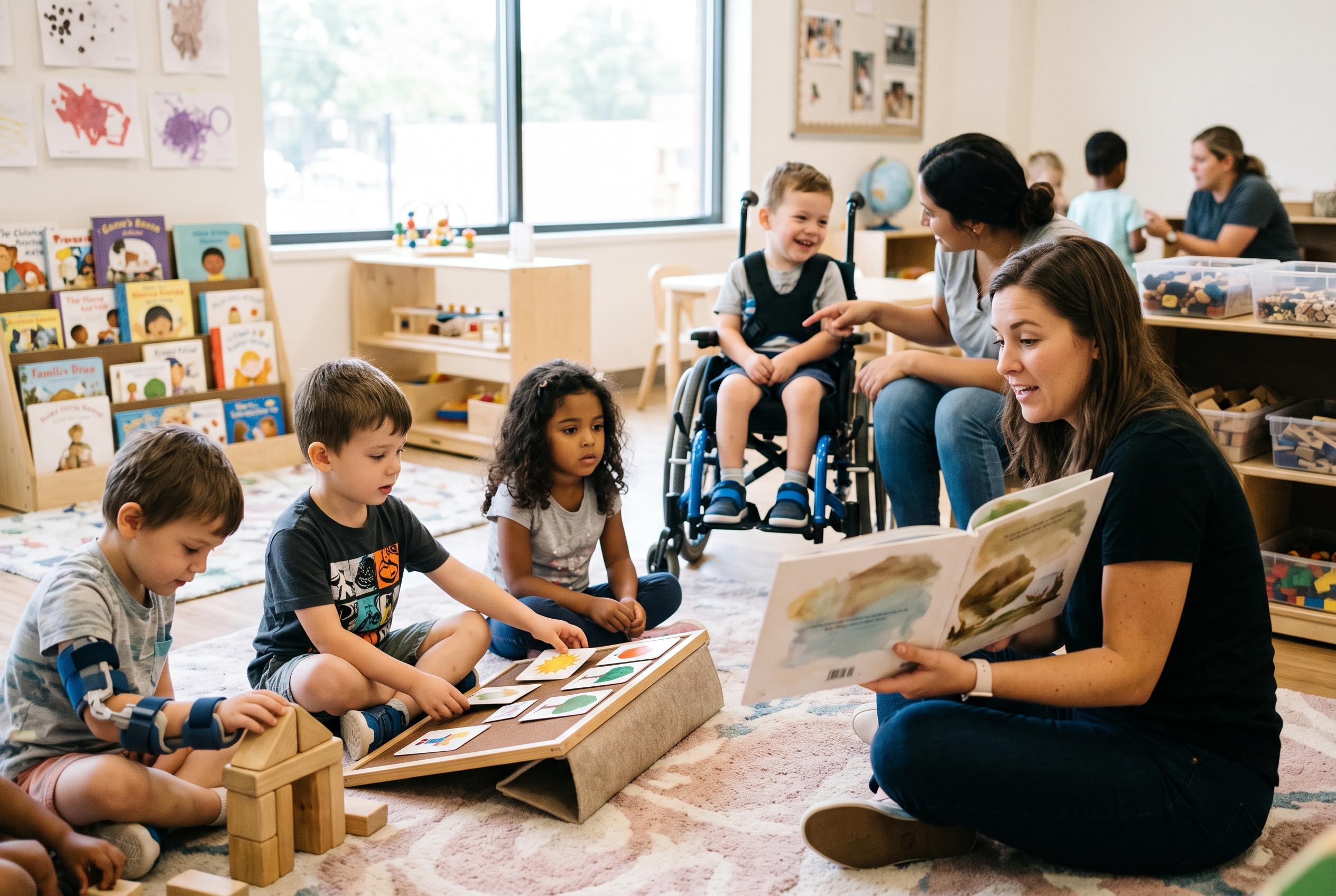
The third principle pushes learning beyond the screen. Rather than treating an episode as a finished lesson, Moonbug wants its stories to spark play, imitation and conversation afterwards. That means songs, make-believe, block-building and simple activities that children can repeat in real life. The idea is to turn passive viewing into something more active, with parents helping to bridge the gap between what a child watches and what a child does.
The final principle calls for inclusive storytelling that gives different families and cultures depth rather than using them as decoration. Moonbug says its preschool content should present characters with dignity and joy, while allowing parents to judge whether the values on screen match the ones they want to reinforce at home. That makes the framework sound thoughtful, but not definitive. It is a production guide, not proof that every episode will educate every child in the same way, and children differ widely in age, temperament and response to pacing.
That caution is echoed by wider research and professional guidance. The American Academy of Pediatrics’ 2026 policy on digital ecosystems takes a broader view than screen time alone, asking parents to consider the child, the content, whether media has become the main soothing tool, what it displaces and how families talk about it. The National Association for the Education of Young Children has also said digital tools work best when they have clear learning goals and encourage children to participate, think and interact, while complementing hands-on experience rather than replacing it.
Evidence on how children actually learn from video suggests that adults still matter a great deal. In a peer-reviewed study of 88 30-month-olds, parent modelling improved vocabulary learning from video, while on-screen responsiveness alone did not. In other words, simply letting a child watch is less effective than talking through what they see, naming feelings and linking the episode to an object, routine or event in the child’s own life. For parents, that may be the most practical lesson from Moonbug’s new framework: the real value of preschool media often depends less on the show itself than on the conversation that follows it.
Disclaimer: This content is for informational purposes only and is not intended to be a substitute for professional medical judgment, advice, diagnosis, or treatment.