

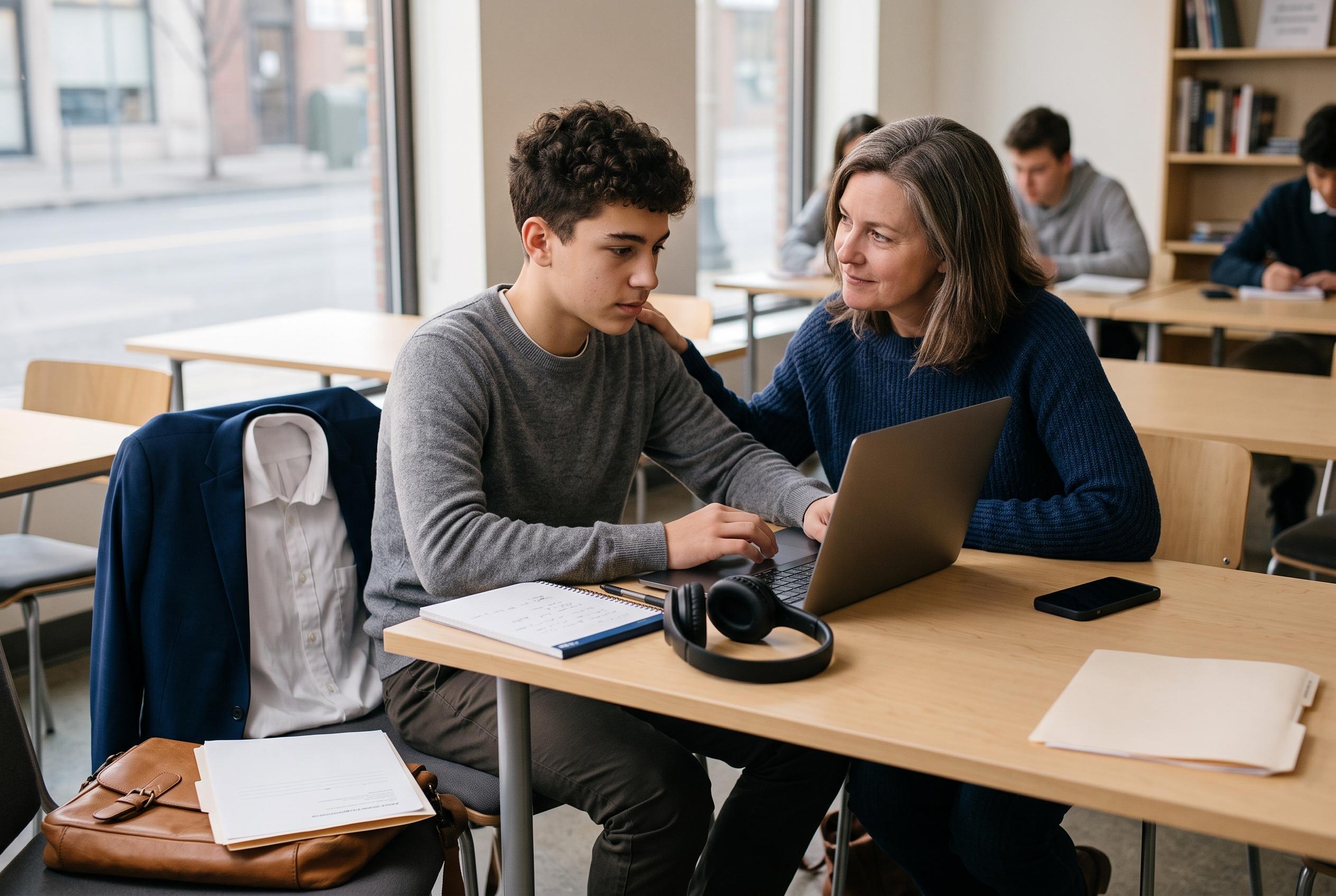

Innovative programmes focus on realistic exercises, from mock interviews to online etiquette, to equip teenagers with essential workplace skills, boosting their confidence and employability in an evolving job market.
Helping teenagers prepare for work is no longer just about helping them find an occupation; it is about teaching them how to step into a first job and handle it well. Practical exercises such as completing application forms, practising interviews, writing professional messages and learning basic workplace etiquette give students a clearer sense of what employers expect. Programmes such as JA It’s My Job, Valley High School’s job readiness work and the Future Bound workshop model all point to the same lesson: communication, reliability and confidence matter as much as academic achievement when young people enter the labour market.
That is why the most useful activities are often the most realistic. A résumé workshop can help students turn school projects, volunteering, sports and part-time work into a simple professional profile, while application drills teach accuracy and attention to detail. Mock interviews, whether with teachers, peers or local employers, allow teenagers to practise introducing themselves, explaining strengths and answering questions calmly. Career-readiness programmes also stress the value of presentation skills, listening, manners and even cell phone etiquette, all of which can shape how a young person is judged in the first few minutes of meeting an employer.
Other exercises help students understand the day-to-day pressures of working life. Role-playing difficult workplace situations, such as dealing with an unhappy customer or responding when a co-worker is not pulling their weight, gives them a safe place to practise judgement and conflict management. Time-planning tasks can show how quickly school, shifts, homework, sport and rest compete for attention, while lessons on pay slips introduce gross pay, deductions and net pay in a way that makes wages less mysterious. Several programmes, including Project Ready and Career Prep Solutions, also emphasise financial literacy, networking and interview preparation as part of broader preparation for college, training or employment.
Employers also care about habits that are easy to overlook. Students who learn how to write a courteous email, make a professional phone call, choose suitable clothing for different workplaces and clean up their online presence are better prepared to make a strong first impression. Teachers and parents can make these lessons more useful by using local job adverts, giving specific feedback and pointing young people towards official rules on work permits and hours for minors. As Valley High School’s programme suggests, the goal is not simply to help students get hired, but to help them develop the reliability, initiative and teamwork that keep them employed.
Disclaimer: This content is for informational purposes only and is not intended to be a substitute for professional medical judgment, advice, diagnosis, or treatment.



