

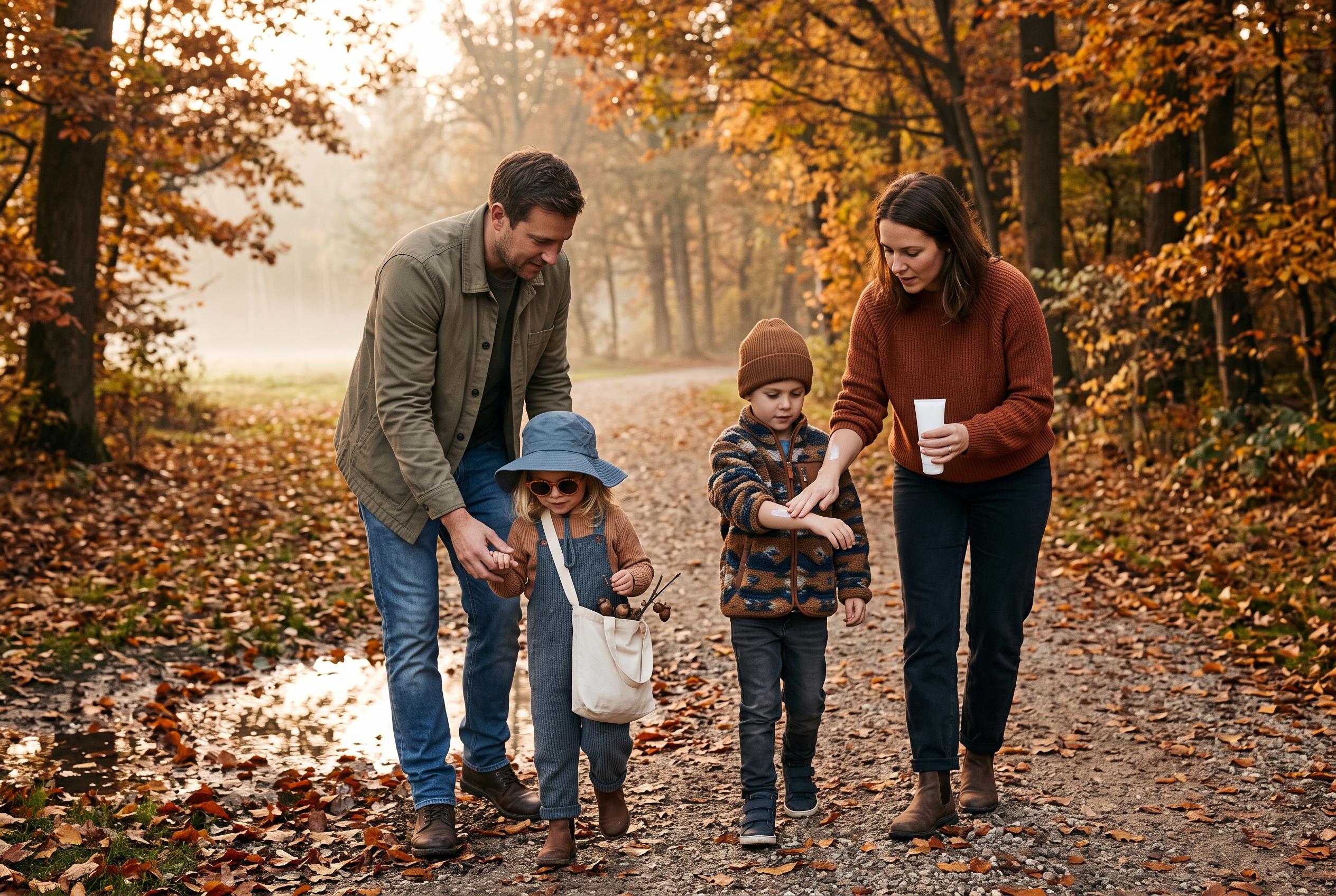

As the darker months approach, experts highlight the expanding benefits of spending even brief periods outdoors, boosting mental resilience, physical health, and family connection, while emphasising sun safety in autumn’s uneven sunlight.
Spending time outdoors can do more than lift the mood on a bright autumn day. A growing body of public health guidance suggests that regular time in nature can support both physical and mental wellbeing, from easing stress to encouraging more movement. The idea is simple: stepping outside, even briefly, can break the cycle of screens, deadlines and indoor routines, and that shift appears to have real benefits. According to the CDC and Cleveland Clinic, outdoor time is linked with better emotional health, lower stress and improvements in heart-related measures such as blood pressure and heart rate.
One reason outdoor time matters is that it can help calm an overstimulated mind. Cleveland Clinic says natural environments may reduce cortisol, the body’s main stress hormone, while also supporting mental clarity and a greater sense of calm. That fits with wider public health messaging that time in green spaces can improve mood and emotional resilience. For parents and carers, the effect may be especially useful because getting outside can offer a reset that helps adults and children alike feel less tense and more settled.
The physical benefits are just as important. Walking, one of the easiest ways to be active outdoors, supports cardiovascular health and can help with circulation, weight management and blood pressure. Healthline says spending time in nature may also improve sleep, breathing, motivation to exercise and overall mental energy, while NewYork-Presbyterian notes that even short periods outside can encourage healthier daily habits. For many people, outdoor movement feels less like a chore than time on a treadmill because the changing scenery keeps the mind engaged.
Outdoor activity does not have to mean a long hike or a formal workout. Cycling, gardening, birdwatching, pickleball, disc golf and even a trip to a farmers’ market all count as ways to move while enjoying fresh air. Autumn offers plenty of low-pressure options, from walking through a local park to visiting a pumpkin patch or wandering a corn maze. Health experts often emphasise consistency over intensity, and Healthline says regular time in nature, whether taken in one longer stretch or in shorter sessions, can add up to meaningful health gains.
For families, outdoor time can also strengthen relationships. NewYork-Presbyterian says being outside can support social connection, and Healthline highlights the mental health benefits for both children and parents when families spend more time outdoors together. That may mean an after-dinner walk, a weekend bike ride or simply letting children play freely in a garden or park. Unstructured play outdoors can help children burn energy, build confidence and enjoy the kind of movement that feels natural rather than organised.
There is one important caution: more time outside should also mean more attention to sun safety. The CDC notes that outdoor activity can be part of a healthy routine, but it should be balanced with protection against skin cancer. That includes using shade, protective clothing and sunscreen, and being mindful of longer exposures, even in cooler weather. With that balance in place, a modest daily habit , 20 or 30 minutes outside , can become a practical way to support heart health, mental wellbeing and family life as the darker months approach. For many households, autumn may be the ideal season to start.
Disclaimer: This content is for informational purposes only and is not intended to be a substitute for professional medical judgment, advice, diagnosis, or treatment.



