

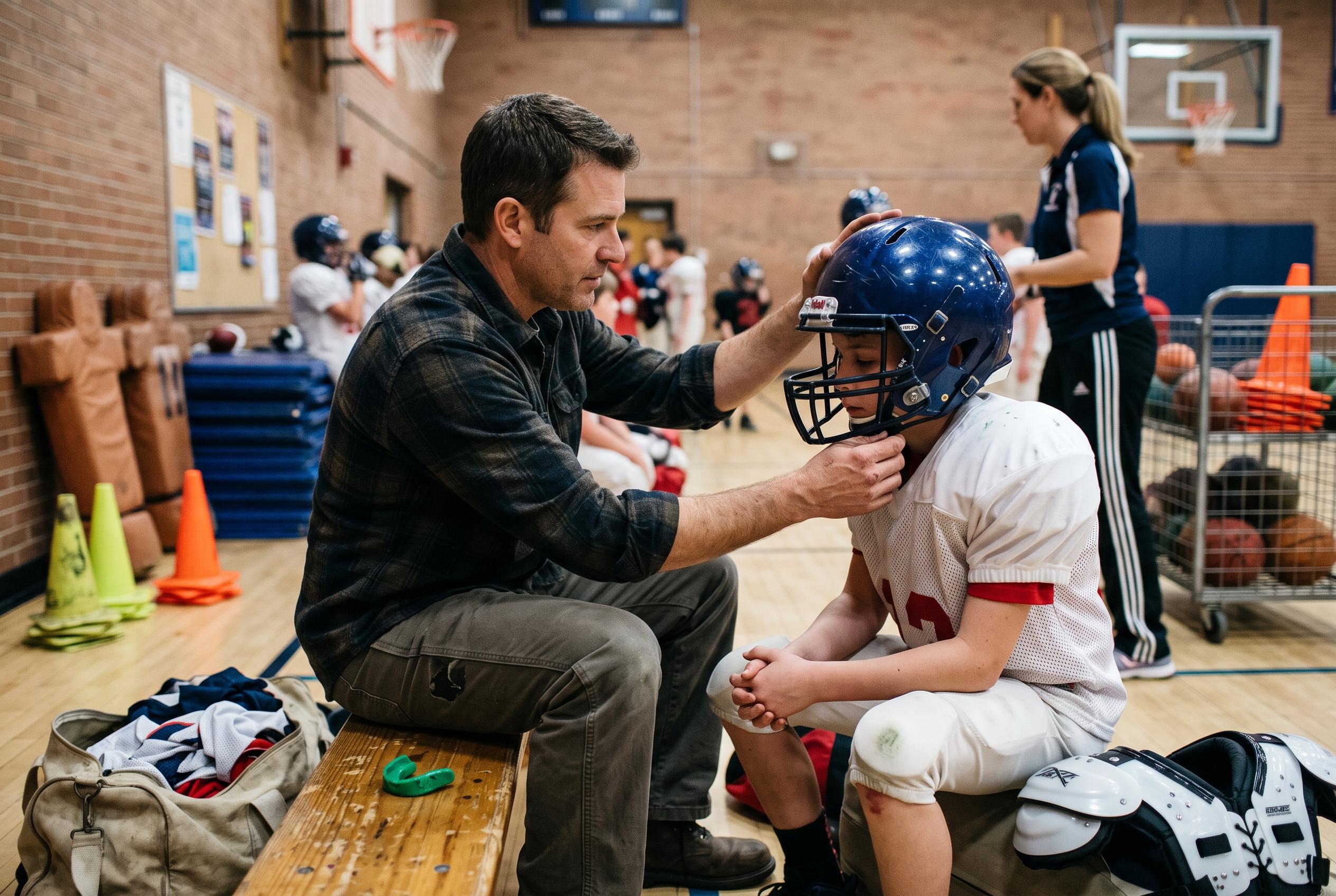

Leana S. Wen warns that modern equipment and protocols do not fully protect children from the risks of repeated head impacts in contact sports, advocating for rule changes to minimise brain injury risks.
Parents looking to protect children from chronic traumatic encephalopathy, or CTE, should not assume that modern equipment and sideline protocols make contact sports safe, Leana S. Wen argued in The Washington Post. Her central warning is that the biggest danger is not only the concussion that is recognised and treated, but also the repeated smaller blows that can still damage the brain over time.
Wen said the key step is to reduce repetitive head impacts as much as possible in youth sport. That means treating the problem as a rules issue as well as a medical one, with changes such as eliminating bodychecking in ice hockey and tackling in football for children. The point, she argued, is not simply to manage injuries better after they happen, but to remove the most dangerous collisions from the game altogether.
For parents and caregivers, that message cuts through a common misconception: a child can absorb serious brain trauma without ever being diagnosed with a concussion. Wen’s advice suggests that the safest approach is to favour sports and formats that minimise head contact, and to press leagues and schools to build those protections into the rules rather than relying on helmets, caution or luck alone.
Disclaimer: This content is for informational purposes only and is not intended to be a substitute for professional medical judgment, advice, diagnosis, or treatment.



