

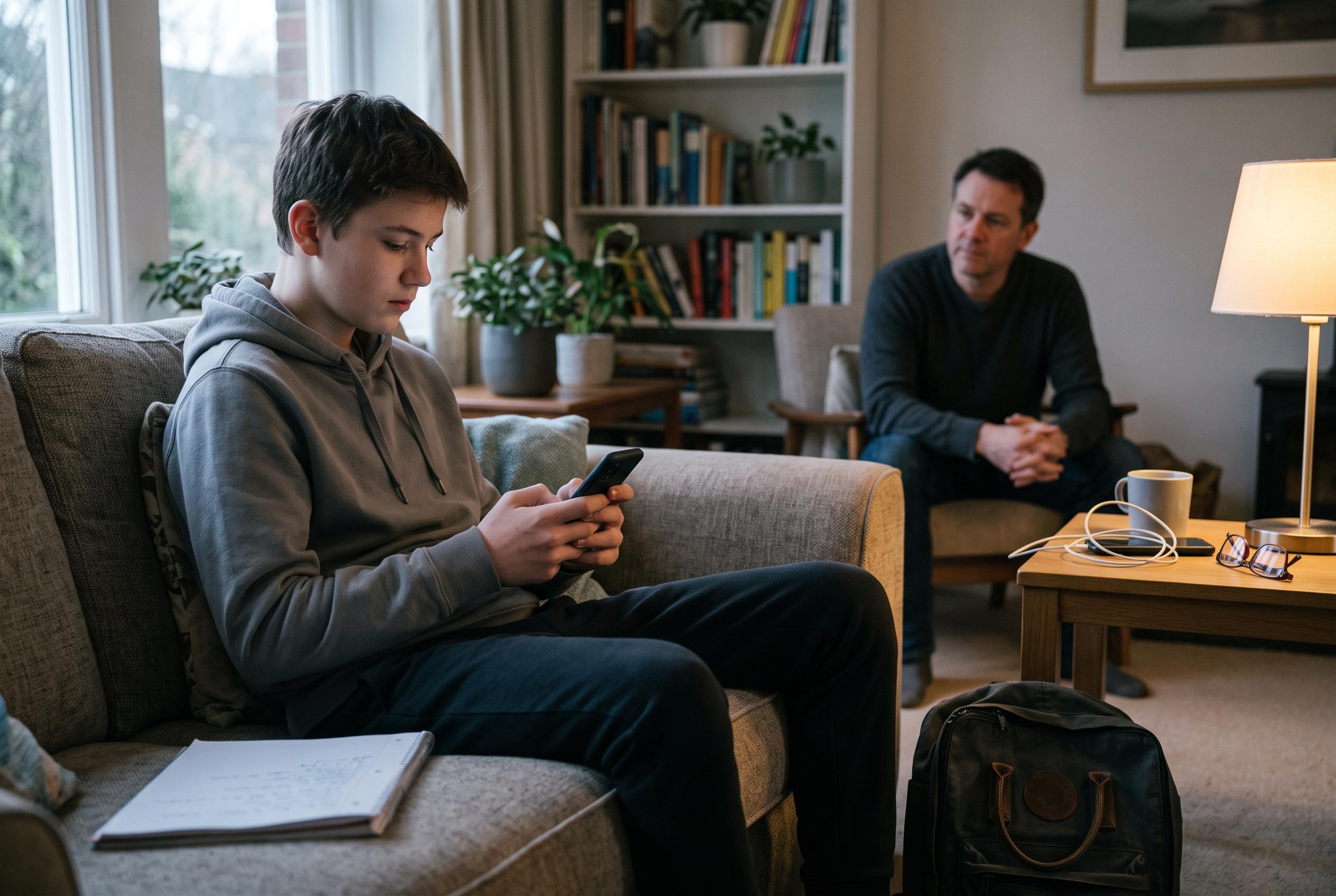

Emerging studies link prolonged social media use and early adoption among children to increased risks of anxiety and depression during adolescence, prompting renewed concern among parents, educators, and health professionals.
Children who spend long periods on social media may face a higher risk of anxiety and depression later in their teenage years, according to a growing body of research that is sharpening concerns among parents, doctors and schools about how early and how often children go online.
Imperial College London research reported by the university found that children using social media for more than three hours a day were more likely to develop symptoms of depression and anxiety by the ages of 13 to 15. The findings, echoed in coverage by The Guardian, suggest that the effect is stronger among girls and may be partly explained by disrupted sleep, especially when social media use continues late into the night.
Similar concerns have emerged from other studies. Research published in The BMJ on Australian adolescents aged 12 and 13 found that those spending more than two hours a day on social media had a 29% higher risk of depressive symptoms and a 17% higher risk of poor wellbeing than those using it for less than an hour. A separate cohort study in JAMA Network Open, involving 11,876 children and adolescents, found that heavier social media use in early adolescence was associated with more depressive symptoms a year later, prompting the authors to urge clinicians to advise young adolescents and their parents on healthier use.
Age at first use may also matter. Research from UNSW Sydney, reported by Medical Xpress, found that adolescents who began using social media at a younger age reported more symptoms of anxiety and depression, suggesting that starting earlier may be more important than simply having an account. Data cited by CBS News from the US National Centre for Health Statistics also pointed to a wider screen-time problem, showing that about half of teenagers aged 12 to 17 spent four or more hours a day on screens between July 2021 and December 2023, and that those with that level of use were more likely to report anxiety and depression.
Disclaimer: This content is for informational purposes only and is not intended to be a substitute for professional medical judgment, advice, diagnosis, or treatment.



