


Ireland launches a new phase of the Laura Brennan HPV Vaccine Catch-Up Programme, offering free vaccination to missed cohorts in schools and at home, building on findings that vaccination has already significantly reduced cervical cancer mortality among young women.
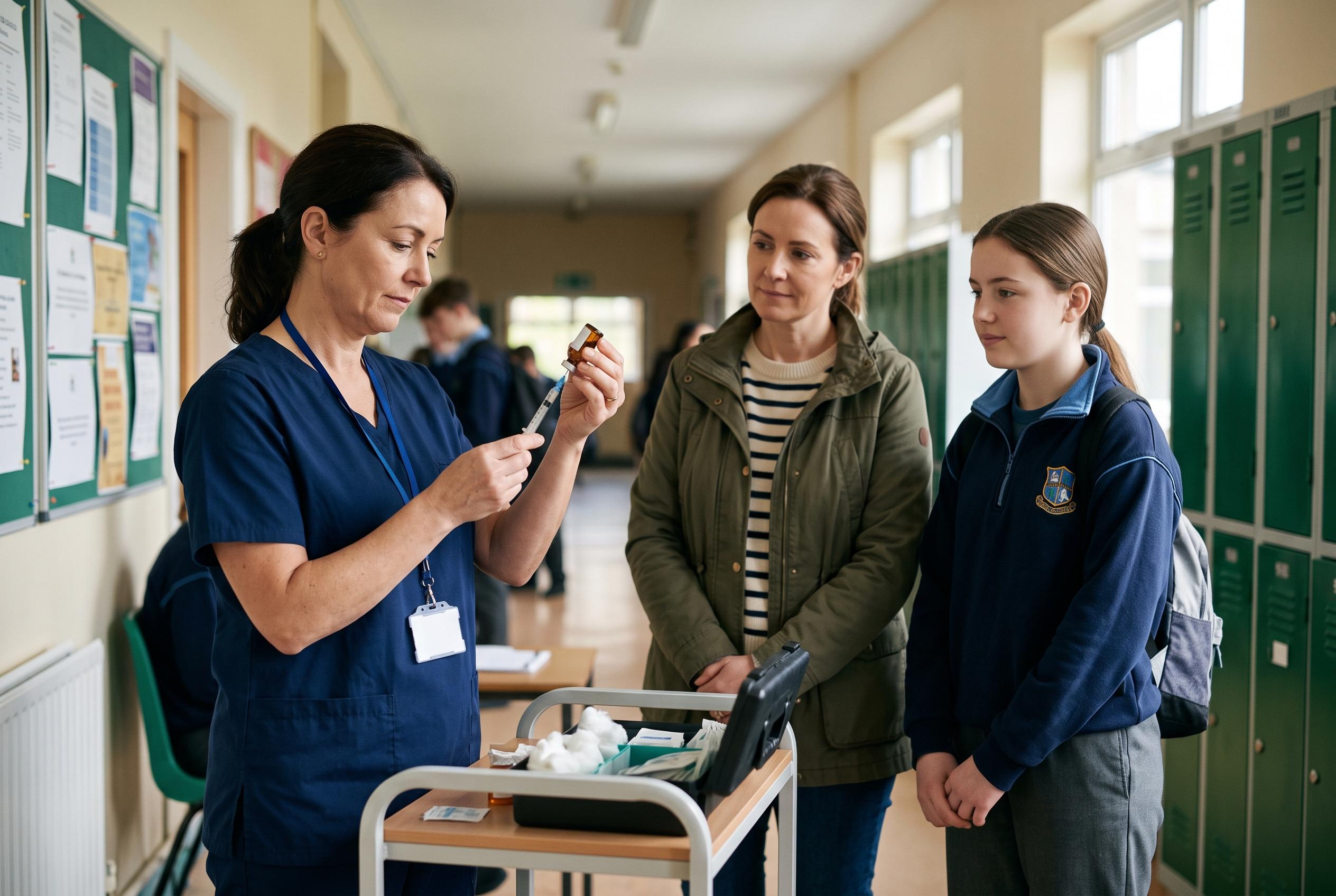
Young people in Ireland who missed out on the HPV vaccine are being given another chance through a fresh phase of the Laura Brennan HPV Vaccine Catch-Up Programme, as health officials move to widen protection against cancers linked to the virus. The HSE has started sending vaccination teams into post-primary schools to offer the jab free of charge to students in second, third, fourth and fifth year who have not previously received it, while home-educated young people in the eligible age groups can also access the programme.
The latest push builds on a scheme announced in January by the HSE and ministers for health, education and youth, which targeted fifth and sixth-year students who had not received the vaccine earlier. The programme is being delivered mainly through schools and is designed to extend protection to boys and girls who were missed when the vaccine was first offered routinely in first year of secondary school.
The initiative carries the name of Laura Brennan, whose campaigning before her death from cervical cancer helped change attitudes towards HPV vaccination in Ireland. Her mother, Bernie, said Laura “would have turned 34 this year but she died of cervical cancer, a HPV-related cancer, when she was 26. As I always say, prevention is better than cure and prevention is definitely better than no cure.” She added: “If you have a boy or girl in first year, make sure they get their HPV vaccine. If they missed out in first year, they have a chance to catch-up now with the launch of this programme in Laura’s name. Don’t miss the opportunity to save them from HPV-related cancers when they grow up.”
The renewed effort comes as new research underlines how much HPV vaccination can change long-term outcomes. A study published in The Lancet found cervical cancer deaths among young women in England have fallen sharply since the vaccine programme began, with no deaths recorded among women aged 20 to 24 between 2020 and 2024. Researchers estimated the vaccination programme, introduced in 2008, had already saved about 200 lives, a finding campaigners and clinicians said points to the possibility of dramatically reducing, and perhaps eventually almost eliminating, cervical cancer deaths in younger generations.
Disclaimer: This content is for informational purposes only and is not intended to be a substitute for professional medical judgment, advice, diagnosis, or treatment.



