

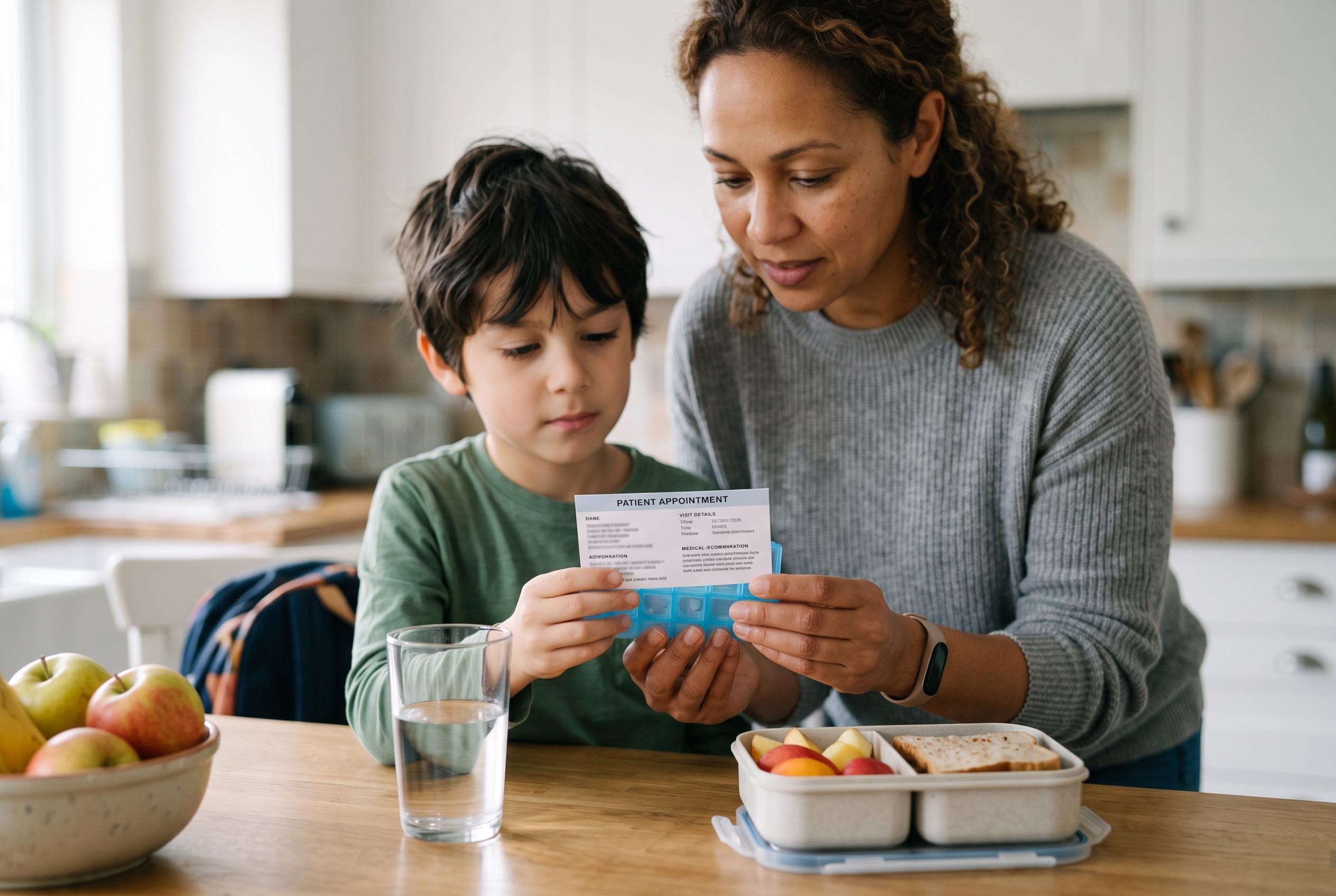

Prescriptions of GLP-1 weight-loss drugs among children aged 8 to 11 have surged by 310-fold since 2019, sparking concerns over off-label use and the need for individualised treatment approaches.
Prescriptions for GLP-1 weight-loss drugs are rising among children aged 8 to 11 with obesity, according to a study in Pediatrics, but the increase has not changed the fact that use in this age group remains uncommon. Researchers reviewed electronic health records for more than 3.5 million children with obesity and no diabetes and found that just 0.6% received a GLP-1 receptor agonist during the study period. Even so, prescribing climbed from 0.03% in 2019 to 9.3% in 2026, a 310-fold jump, with roughly 20,282 children in the age group receiving a prescription over seven and a half years, according to NYU Langone Health’s summary of the findings.
The trend is drawing attention because the medications are being used in a group that is still growing and, in most cases, has only limited evidence to guide treatment. Sarah C. Armstrong, a paediatrician at Duke University School of Medicine, said the shift is meaningful, but it does not by itself prove that routine use in younger children is appropriate. For children under 12, such treatment is off-label, meaning a doctor is prescribing a medicine for a use outside the Food and Drug Administration’s approved labelling. Saxenda and Wegovy are approved for some adolescents starting at age 12, but not for general weight management in children aged 8 to 11.
Researchers and clinicians say any decision to use these medicines in younger children needs to be highly individualised. Armstrong described treatment before age 12 as an exceptional choice rather than standard care, one that should involve a careful discussion of the limited evidence, the child’s medical history, and close follow-up by clinicians experienced in paediatric obesity. Evidence is still emerging. A trial of liraglutide in children aged 6 to 11 showed improvements in obesity measures during the study period, but that does not settle questions about long-term use, and the results cannot automatically be applied to every GLP-1 drug.
The study also found that prescribing was more common among older children, girls, and those with less social vulnerability, suggesting that access may depend in part on resources, insurance, specialist availability and the ability to travel for appointments. Children with obesity-related health problems were also more likely to receive the drugs, which suggests many doctors are reserving them for the children at greatest cardiometabolic risk. That said, the pattern raises concern that highly effective treatment may be reaching families with greater means more easily than those with the greatest need, Armstrong said. For parents, the broader message is that medication is only one part of care: in a growing child, treatment success also means supporting normal development, nutrition, physical health and a healthy relationship with food.
Disclaimer: This content is for informational purposes only and is not intended to be a substitute for professional medical judgment, advice, diagnosis, or treatment.



