


As young athletes invest deeply in sport, experts warn that over-identification can risk their mental wellbeing. Building broader identities into everyday life is key to ensuring that success and failure do not define their self-worth, helping them emerge stronger both on and off the field.
For many young athletes, sport does far more than fill the calendar. It provides structure, belonging, purpose and visible progress. A child who once struggled to settle may become the one who arrives early, works hard and learns to handle pressure. Ambition itself is not the problem. The danger begins when athletic success stops being one important part of a young person’s life and starts to define the whole of it.
That is where self-worth can become precarious. As the Good Men Project article observes, the language of sport can easily shift from describing a performance to describing a person. A missed shot becomes a failure of character. A dropped place on the team sheet feels like rejection. Over time, the athlete may begin to treat results as proof of value rather than evidence of one afternoon’s work. Research summaries from sport psychology sources make the same point: when identity becomes too tightly bound to outcomes, confidence can become fragile and pressure can rise sharply.
This is why setbacks often land so heavily. An injury, a coaching change or a selection decision does more than interrupt competition; it can also remove the routine, relationships and status that have quietly supported a young athlete’s sense of self. A systematic review published by Springer found that strong athletic identity is closely linked to psychological and behavioural factors that can shape stress and injury vulnerability, reinforcing the importance of a more balanced self-concept. In practice, that means recovery is not only physical. It may also involve rebuilding the parts of life that were never supposed to depend on the next game or race.
Success can be just as risky as failure. Recognition, rankings and recruitment attention can narrow a young person’s world in subtle ways, especially when adults and relatives repeatedly frame them as “the swimmer”, “the quarterback” or “the tennis player”. According to Psychology Today, over-identification with sport can crowd out other roles and make athletes more vulnerable when the sporting path changes. The pattern is easy to miss because it often develops in apparently healthy environments. A talented teenager may be praised, supported and celebrated while still learning that most of the attention comes through performance.
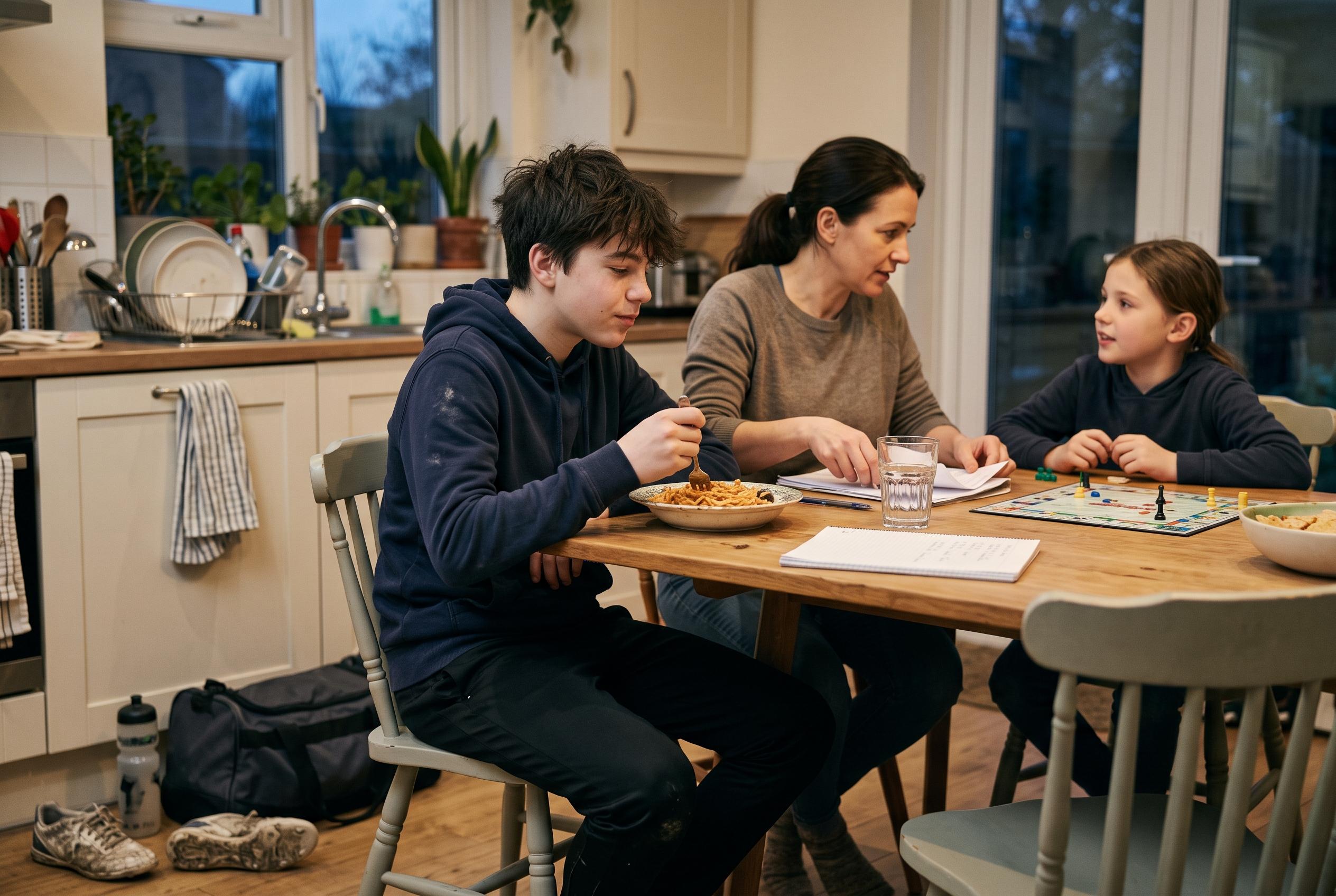
Parents do not need to diminish ambition to protect against that outcome. They can take sport seriously while still making clear that school, friendships, family responsibilities and character matter too. The article from the Good Men Project argues that this balance is best built into ordinary life, not offered as a consolation after disappointment. That approach is echoed in other psychology resources, which recommend that adults help young athletes see themselves as more than competitors and encourage interests that are not tied to selection, ranking or results.
A broader identity does not have to be dramatic or complicated. It can come from being a reliable sibling, a curious student, a friend outside the team, a helper at home or someone with interests that have no scoreline attached. The ESCA summary notes that understanding oneself beyond sport supports emotional maturity, resilience and stability. That matters because a young person who has other sources of competence and belonging is less likely to feel that a poor performance has erased who they are.
In the long run, the goal is not to weaken a young athlete’s commitment. It is to make sure sport leaves them stronger than it found them. Discipline should survive the season. Confidence should still work in a classroom, a workplace or a new community. Relationships should not depend on a roster spot. A healthy sporting life can be intense and rewarding, but it should never be so narrow that one injury or one disappointing result makes a child wonder who they are.
Disclaimer: This content is for informational purposes only and is not intended to be a substitute for professional medical judgment, advice, diagnosis, or treatment.



