

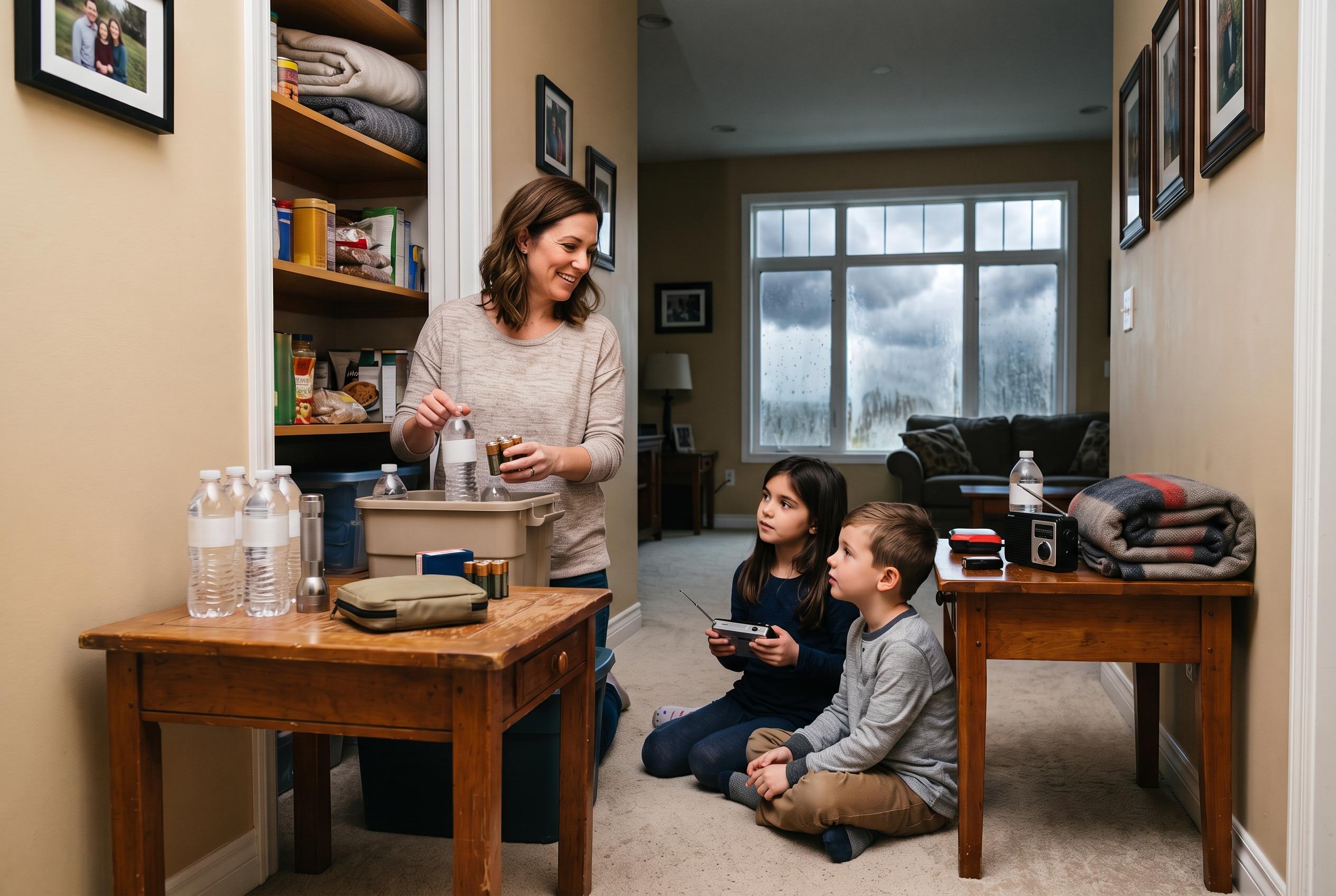

Researchers argue that proactive support for families and communities is essential to safeguard children’s health, education, and emotional stability as climate-related disasters increase in frequency and severity.
As extreme weather becomes more frequent and more disruptive, researchers are urging parents, schools and policymakers to think not only about emergency response, but also about preparation. Mary McKay, a professor at the Brown School at Washington University in St. Louis, says families that are supported before disaster strikes are better placed to protect children’s health, routines and emotional security.
Her argument comes in a paper in Global Social Welfare that calls for climate policy to pay far more attention to family resilience. McKay and her co-authors say climate change can unsettle children’s lives in ways that go well beyond damaged buildings or missed school days. Heat, drought, flooding and storms can trigger food insecurity, financial strain, displacement and wider social instability, all of which can increase the risk of poor mental health outcomes for children.
That warning is consistent with broader evidence on the impact of climate hazards on education and daily life. UNICEF said in a 2025 report that more than 171 million students worldwide had their schooling disrupted by climate-related events, including storms, floods, heatwaves, drought and wildfires. The report said low- and middle-income countries were affected most heavily and argued that education systems need stronger climate resilience so learning can continue during emergencies.
McKay’s paper makes a similar case for the home. Children rely on adults, schools and local institutions for stability, and climate shocks can strain all three at once. A severe event can damage housing, interrupt routines, isolate children from friends and communities and force families to make difficult choices about work, care and spending. Because children generally have fewer resources and less experience coping with upheaval than adults, the researchers say adults should be equipped in advance to explain risks, set contingency plans and keep emergency resources within reach.
The paper also points to a wider lesson from climate research: resilience is often built through everyday relationships as much as formal systems. A study in Nature Climate Change has noted that informal responses to extreme heat, such as neighbours sharing water or creating makeshift cooling spaces, can be crucial when official support is thin. In the same spirit, McKay and her colleagues argue that leaders should identify the families most likely to be hit by climate-related shocks, test preparation programmes before disasters occur and provide rapid help with basic needs after an event. Restoring schools and other child-focused institutions quickly, they say, is just as important as rebuilding physical infrastructure.
Disclaimer: This content is for informational purposes only and is not intended to be a substitute for professional medical judgment, advice, diagnosis, or treatment.



