

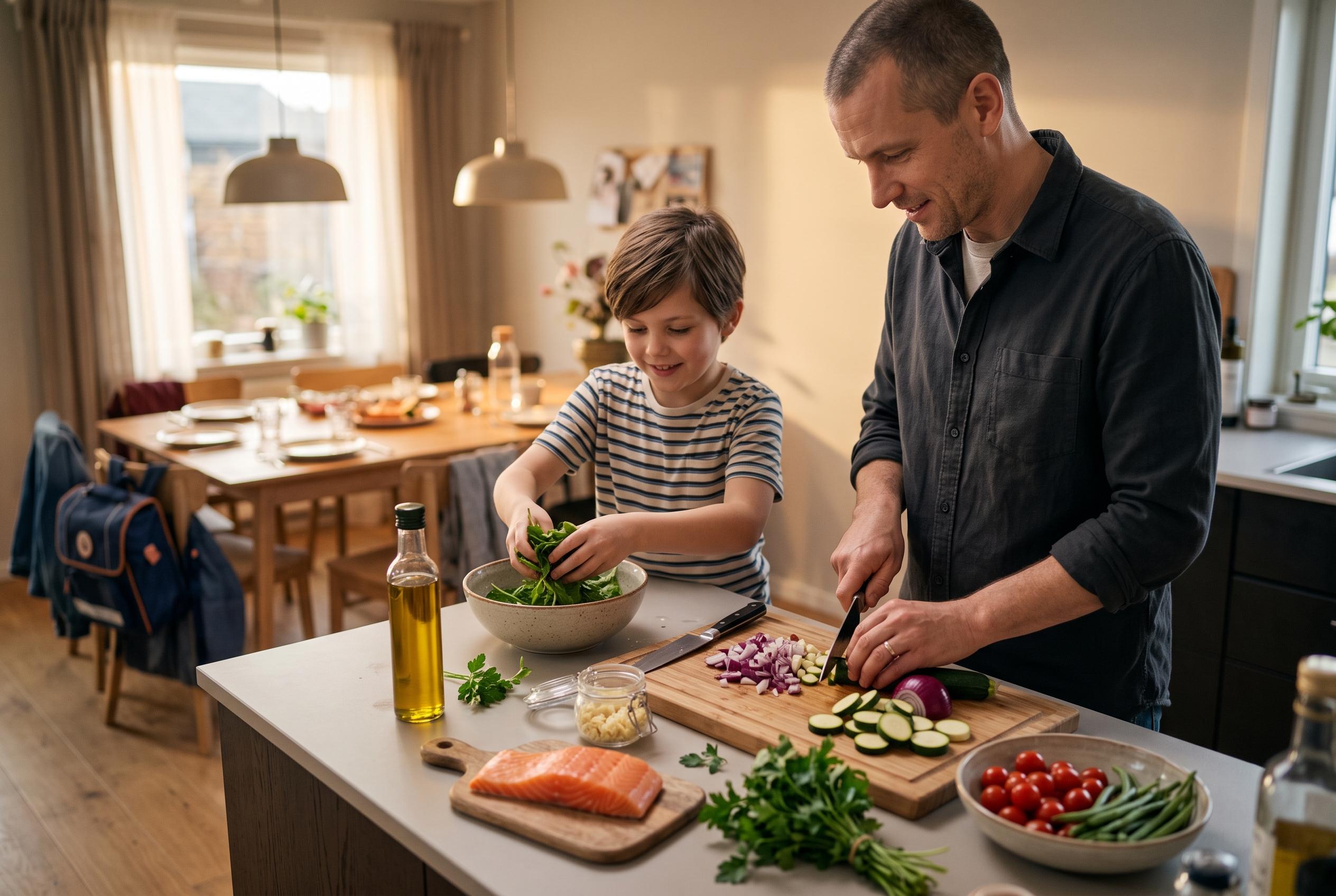

With households seeking quick, manageable meals, five-ingredient recipes are becoming a staple, offering simplicity, adaptability, and reduced waste , all while exploring global culinary traditions.
For households feeling the strain of tight budgets and crowded weeknights, meals built around five main ingredients are gaining appeal because they simplify planning without making dinner feel like a chore. The basic idea is straightforward: choose a short list of core ingredients, then rely on staples such as salt, oil, water, or spices as your cooking system allows. That flexibility matters, because several recipe collections and round-ups on five-ingredient cooking stress that clarity is part of the appeal, especially when the goal is to make home cooking feel manageable rather than exacting.
The popularity of this approach also reflects how many people already want to cook. A 2025 YouGov report found that 60% of Americans preferred to spend less than 30 minutes on dinner, while Mintel research has pointed to a wider appetite for short ingredient lists and one-pot or one-tray meals. The appeal is not only speed. Cooks are also drawn to the sense of control that comes from reducing the number of decisions required before a meal even begins, a point echoed by articles from Meal from Fridge, Meal Fan and other recipe sites focused on low-stress cooking.
There is, however, a practical distinction between simplicity and nutrition. A meal with only a few ingredients is not automatically a balanced meal, and a short shopping list can still produce food that is high in salt, saturated fat or refined carbohydrates. The better version of the idea is to use fewer ingredients as a planning tool while still thinking about the basics of a nourishing plate: a source of protein, some kind of plant food where possible, and a starch or grain that helps round things out.
That is one reason five-ingredient cooking fits so well into ordinary family life. It suits small kitchens, beginners, students and parents who want dinner on the table without a long prep session. It also helps with what cooks often call ingredient overlap: a bag of rice, a carton of eggs, a few cans of beans and a handful of vegetables can be turned into several different meals over the course of a week. The environmental angle is useful too. The US Environmental Protection Agency advises households to check the fridge, freezer and pantry before shopping, plan meals in advance, buy realistic quantities and use leftovers creatively. In practice, that means fewer impulse purchases and less food drifting to the back of the cupboard.
Around the world, many of the most satisfying dishes already work on this principle. Khichdi, the rice-and-lentil comfort food found across India and South Asia, can be built from a few modest pantry staples and expanded with seasonal vegetables when money and time allow. Spain’s tortilla de patatas turns potatoes, eggs and onion into a versatile dish that works at almost any meal. Italy’s pasta e fagioli shows how beans can stretch a small amount of pasta into something substantial. Korean bibimbap-inspired rice bowls and Japan’s tamago kake gohan offer similarly adaptable, low-effort options that rely on a few ingredients and a good sense of timing.
What all of these dishes have in common is not austerity for its own sake, but usefulness. The most effective five-ingredient meals are the ones that let ingredients do more than one job, whether that means rice becoming breakfast one day and supper the next, or beans moving from soup to pasta sauce to wrap filling. That is why the idea has taken hold: it gives families a way to cook with more confidence and less waste, while still keeping dinner interesting. In the end, the best question may not be what to cut from a recipe, but what five things can work hardest together.
Disclaimer: This content is for informational purposes only and is not intended to be a substitute for professional medical judgment, advice, diagnosis, or treatment.



