

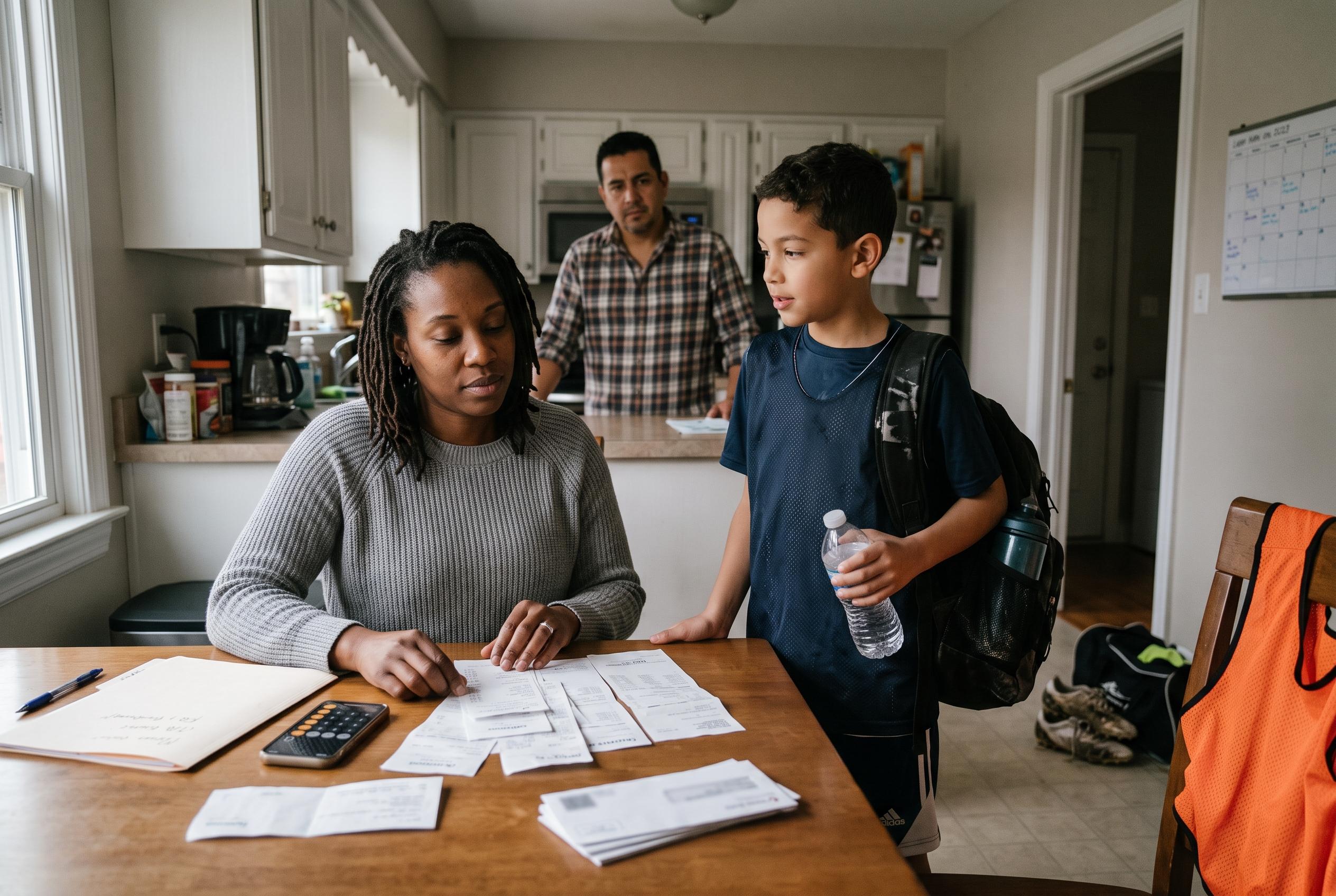

A new survey reveals nearly half of parents have postponed or skipped enrolling children in sports due to rising costs, prompting calls for smarter budget strategies and awareness of hidden expenses in youth athletics.
Youth sports are becoming a budget test for many households, with a new Accredited Debt Relief survey finding that 44% of parents have postponed or skipped enrolling a child because they could not afford the fees, equipment, uniforms or travel. Another 43% fear they may be forced into the same decision during the current school year. The pressure is not just psychological: research from the Aspen Institute’s Project Play shows that the average family spent $1,016 on a child’s primary sport in 2024, up 46% from 2019, and the total across multiple sports can run considerably higher. According to ConsumerAffairs, the problem is less about the registration fee itself than the long tail of related costs that can make a season far more expensive than it first appears.
That is why parents are being urged to ask for the full price before signing up. A modest-looking entry fee may not include uniforms, equipment, tournament entry, travel, hotel stays, admission charges or fundraising expectations. Community recreation programmes, school teams and YMCA leagues are often far cheaper than club or travel setups, and Aspen’s research suggests that most young athletes still participate through local or school-based programmes rather than the more expensive private pathway. One practical way to avoid surprises is to speak with parents whose children played on the team last season, since they are often the only people who can explain the hidden costs.
Financial help is another option that many families overlook. ConsumerAffairs advises parents to ask early whether a league offers scholarships, reduced fees or instalment plans, because assistance can be limited and may disappear before the season begins. Some organisations will also lower fees for parents who coach, referee, work concessions or volunteer in other ways. The article also points to national support programmes such as EveryKidSports.org, which can provide qualifying families with up to $150 per child per season for recreational registration costs. Families generally qualify if a child is enrolled in Medicaid, SNAP or WIC.
Equipment is another area where families can save without sacrificing participation. Rather than buying everything new, parents can check second-hand sporting-goods shops, online marketplaces, neighbourhood groups and equipment swaps. The same applies to outgrown gear, which may still have resale value if it is sold before the next season begins. ConsumerAffairs also recommends asking coaches what is truly required, since there is often a wide gap between essential equipment and the latest gear that other players happen to be using.
The most expensive extras can be the easiest to question. Private coaching, specialised camps, extra tournaments that involve overnight stays and year-round training can all add up quickly, yet they are not always necessary, especially for younger children who mainly want to play for fun and stay active. Aspen’s Project Play found that 17% of youth sports parents said their child’s primary sport involved travel or club leagues, while 14% reported independent training. Before agreeing to those costs, experts say families should ask what will actually help a child improve, then set a hard budget and avoid financing a season on a credit card or buy-now, pay-later plan. For many households, the hardest but most responsible move may be saying no to a costly add-on and keeping the sport affordable enough for the child to stay in it.
Disclaimer: This content is for informational purposes only and is not intended to be a substitute for professional medical judgment, advice, diagnosis, or treatment.



