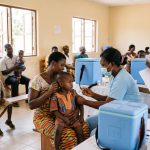

A recent study reveals that nearly 17% of children prescribed GLP-1 drugs for obesity or diabetes develop nutritional deficiencies within a year, underscoring the need for earlier dietary intervention and monitoring.
Doctors may be missing an important part of care for children prescribed GLP-1 medicines, as new research suggests a sizeable share develop nutritional problems within a year of starting treatment. A study from Northwestern University’s Feinberg School of Medicine found that nearly one in six patients aged 10 to 17 was diagnosed with a new deficiency or related complication after beginning one of the drugs, which are increasingly used to treat obesity and type 2 diabetes in young people.
The researchers analysed claims data for 2,031 children and teenagers who started GLP-1 receptor agonists between 2017 and 2022 and had no recorded deficiency at the outset. Within 12 months, 16.88% had been diagnosed with at least one nutritional issue, according to the study published in Childhood Obesity. Vitamin D deficiency was the most common finding, affecting 12.4% of the group, while nutritional anaemia and iron-deficiency anaemia were also recorded. The authors described nutritional deficiencies as an under-recognised risk in paediatric patients taking the medicines.
The findings come as GLP-1 drugs such as semaglutide and tirzepatide have moved rapidly into mainstream obesity treatment. In children and adolescents, those medicines are often prescribed alongside advice on diet and lifestyle, but the new study suggests that support may not be reaching enough patients. The research found that only about 5% of children received dietary counselling within 30 days of starting therapy, and only around a quarter had such counselling within six months.
Justin Ryder, an associate professor of surgery and paediatrics at Northwestern University and a surgeon at Ann & Robert H. Lurie Children’s Hospital of Chicago, said the results point to the need for earlier intervention rather than waiting for problems to emerge. “We hope that our study findings bring much-needed recognition to the importance of proactive nutritional management when GLP-1s are prescribed to children, as opposed to waiting until a nutritional deficiency is diagnosed,” Ryder said in a statement released by the hospital. “Knowing the risks, we are in a much better position to prevent harm to children treated with GLP-1s during a pivotal period in their lives.”
The study adds to a growing body of recent work suggesting that nutrient monitoring should be built into GLP-1 treatment plans. A narrative review published in February 2026 found vitamin D deficiency was the most common abnormality in adults taking the drugs, while a systematic review in May 2026 said GLP-1 treatments can be effective in children and adolescents but should be paired with nutritional and behavioural support. Other recent reviews have made similar calls for more careful laboratory testing and nutritional counselling in paediatric patients.
That context matters because the drugs are being used in a population that already faces substantial obesity-related health risks. The latest federal data cited in the lead study show obesity affects roughly 22% of US adolescents aged 12 to 19 and 21% of children aged 6 to 11. The American Academy of Pediatrics recommended GLP-1 therapy as an option for childhood obesity in 2023, while also stressing the importance of nutritional support. But the Northwestern researchers said their real-world findings suggest that guidance is not always followed consistently.
The study also has limits. Because it relied on observational claims data rather than a controlled trial, it can show an association but not prove that the medicines caused the deficiencies. It also reflects prescribing patterns from earlier years, before GLP-1 use among children became more widespread. Even so, the authors said the results support closer monitoring as use expands, especially since intentional weight loss itself can increase the risk of nutrient shortfalls. They argued that more recent studies are needed to see whether current prescribing and follow-up practices have improved.
Disclaimer: This content is for informational purposes only and is not intended to be a substitute for professional medical judgment, advice, diagnosis, or treatment.