

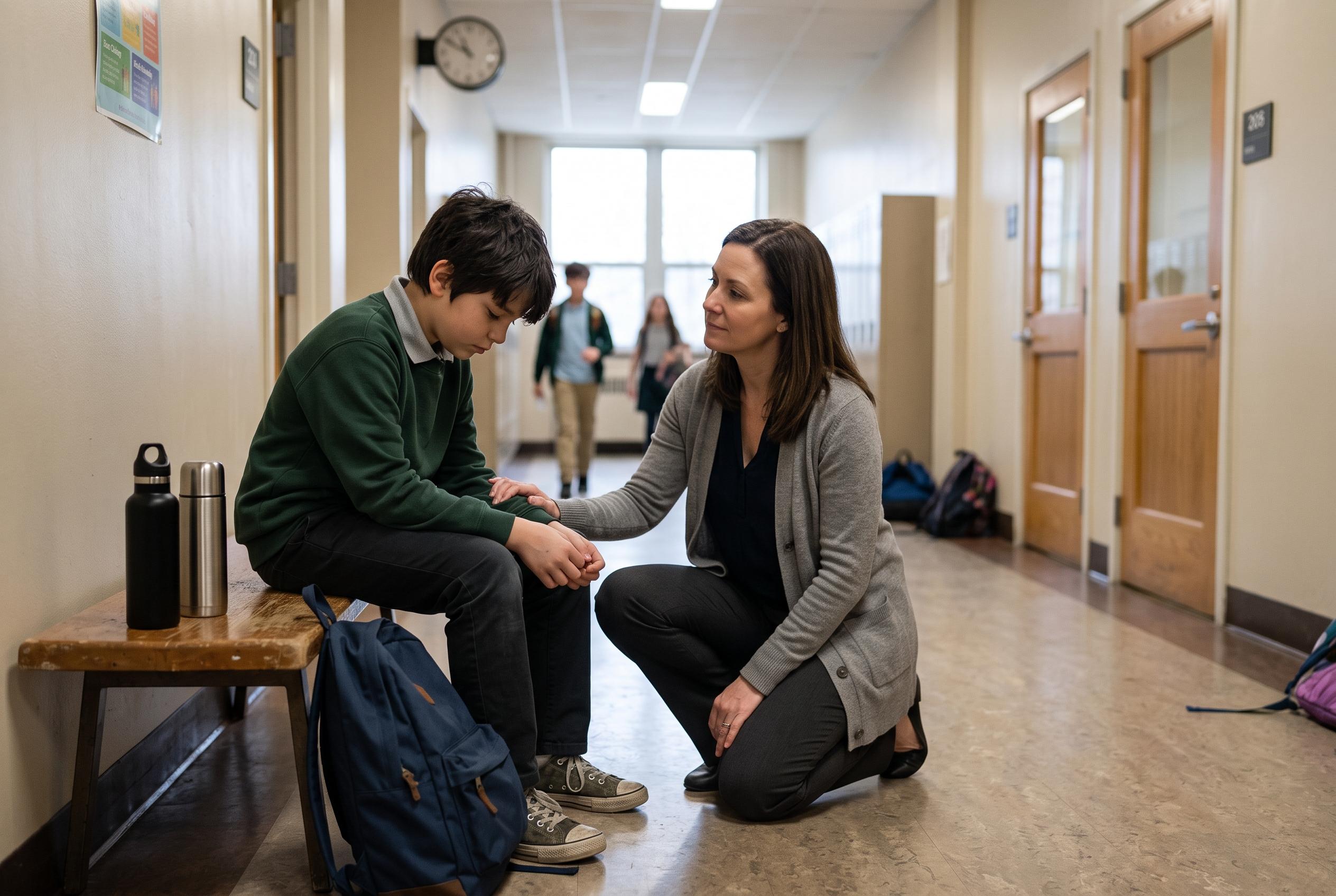

Psychologist Sarah Schäfer highlights the growing prevalence of burnout symptoms among school-age children, emphasising early recognition and supportive interventions to prevent long-term harm.
Burnout is usually discussed as a work-related problem, but Sarah Schäfer says similar patterns are increasingly visible in school-age children and teenagers. Schäfer, a professor of psychology and psychotherapy for children and adolescents at the Technical University of Kaiserslautern-Landau, told Die Zeit that young people can become so overloaded that they appear permanently exhausted, struggle to recover at weekends and lose the ability to switch off.
According to Schäfer, the warning signs can include poor sleep, persistent tiredness, difficulty concentrating, headaches or back pain, and a growing sense of detachment from school. That picture is echoed in guidance from organisations such as Understood, which says burnout in children can also show up as procrastination, avoidance, anxiety, irritability and apathy. German education and health sites similarly point to declining motivation, unfinished homework, reluctance to get up in the morning and physical complaints that appear before or after lessons.
The broader concern is that stress becomes more damaging when it is sustained and there is too little recovery time. Several of the sources note that children may not describe what they feel as “burnout”, but the pattern can still involve exhaustion, withdrawal from hobbies and social life, and a drop in performance at school. In some cases, repeated stomach aches, sleep problems or a loss of interest in activities a child once enjoyed may be the first clues that the pressure has become too much.
For parents and caregivers, the key is to notice changes early rather than waiting for a crisis. Open conversations, lighter schedules, enough sleep and timely support can all help reduce strain. If symptoms continue, educators or health professionals may need to be involved. Schäfer’s point is a simple one: children, like adults, can only cope with so much pressure before it begins to show.
Disclaimer: This content is for informational purposes only and is not intended to be a substitute for professional medical judgment, advice, diagnosis, or treatment.



