

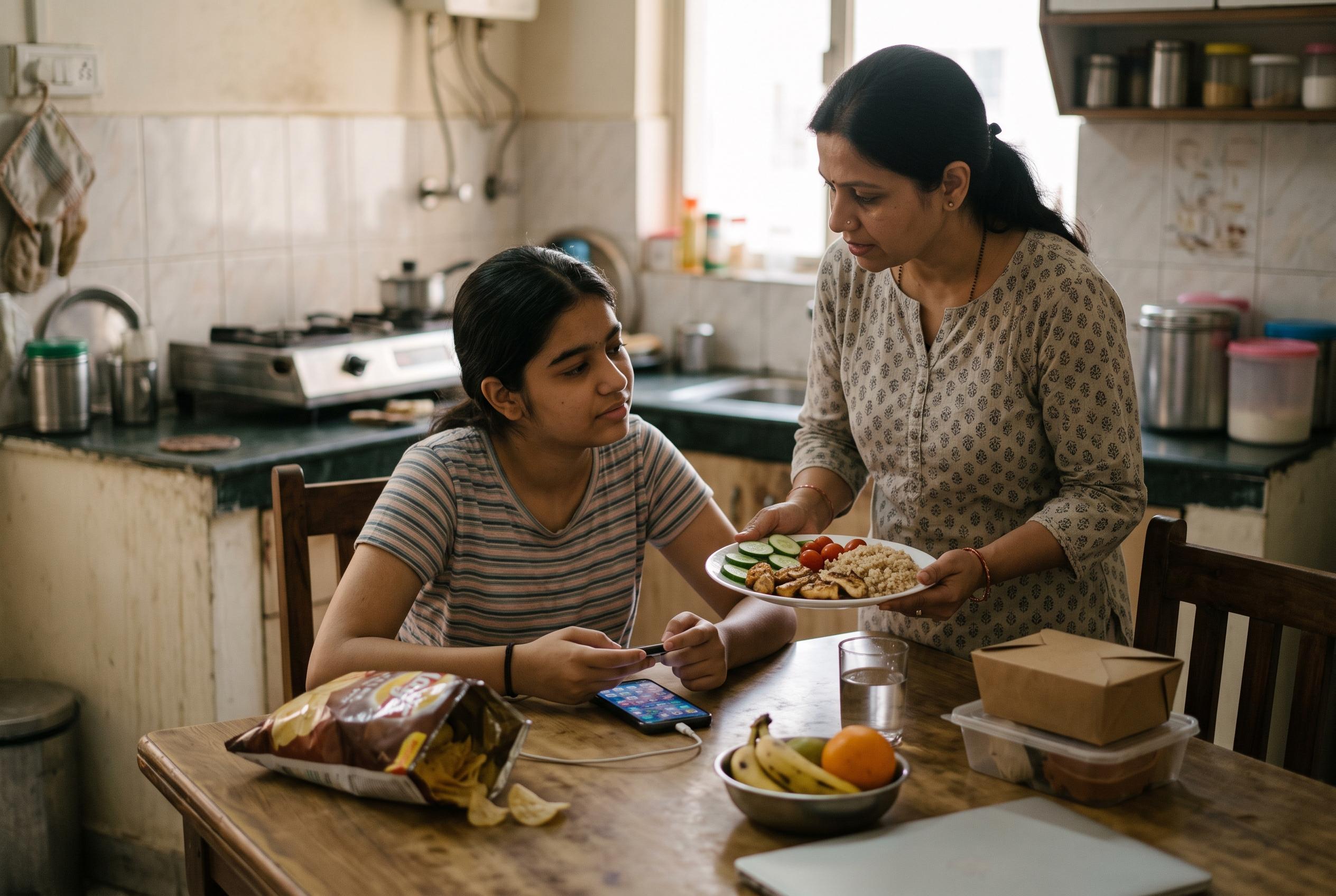

Researchers at AIIMS Delhi warn of increasing cases of obesity and polycystic ovary syndrome among teenage girls, highlighting the impact of screen time, diet, and lifestyle changes on adolescent health across India.
AIIMS New Delhi researchers are warning that obesity and polycystic ovary syndrome, or PCOS, are becoming more common among adolescent girls, with doctors linking the trend to poor diet, little exercise and long hours on phones and screens. Professor Rajni Sharma of the paediatric endocrinology unit said the hospital, working with a non-governmental organisation, has been screening schoolchildren for metabolic and nutritional problems as well as PCOS and then calling in those with concerns for further tests at AIIMS. According to the study, the issue is no longer confined to a narrow group: girls in private schools appear to be at the highest risk, but cases are also rising in government schools.
Sharma said the team has spent the past three years following up schoolgirls as part of an ongoing study and has seen worrying rates of excess weight. She said as many as 40% to 45% of girls in private schools were overweight or obese, while around 15% in government schools fell into those categories. The hospital has also noted a growing number of adolescents with irregular menstrual cycles, a symptom often associated with PCOS. Related coverage from other Indian outlets reported that AIIMS is examining the condition under newer diagnostic criteria, reflecting how doctors are refining the way PCOS and related hormonal disorders are identified in teenagers.
Child psychologist Renu Sharma, speaking to ANI, said excessive screen use is adding to the problem by affecting both mental and physical health. She said many young adolescents are spending too much time on social media, messaging and gaming, and warned that this can contribute to stress, behavioural issues and obesity. Health specialists have also pointed to diet, with some reporting a link between junk food, mobile addiction and rising PCOS cases among schoolgirls.
Doctors say the findings matter because PCOS in adolescence can be difficult to spot and may be overlooked as part of normal puberty. Earlier medical studies in India have noted that the condition is common among women of reproductive age, while its frequency in teenagers is less clearly defined because symptoms can overlap with ordinary adolescent changes. Against that background, AIIMS is pressing for better awareness of nutrition, physical activity and digital well-being, and for parents to set clearer limits on screen time.
Disclaimer: This content is for informational purposes only and is not intended to be a substitute for professional medical judgment, advice, diagnosis, or treatment.



