

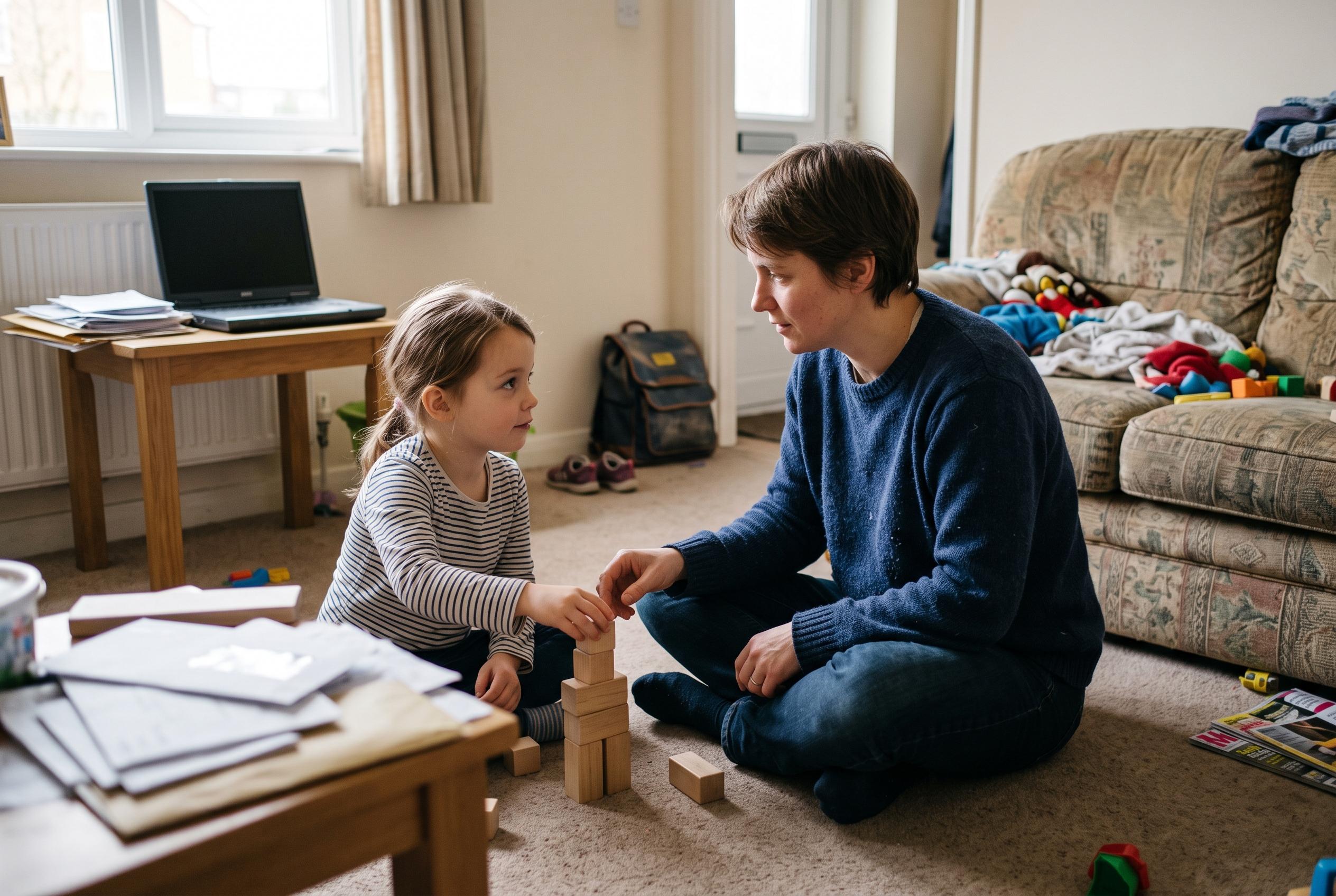

Research indicates that secure attachment in childhood plays a vital role in emotional and social resilience, particularly amid family stress and disadvantage, with long-lasting effects into adolescence.
Attachment security in childhood appears to matter most when children are growing up amid disadvantage or family strain, according to the analysis by psychologist Andreea Ionescu. Research on low-risk groups has often struggled to find clear links between attachment and later mental health, largely because the samples are small and serious psychological problems are uncommon. By contrast, studies of children exposed to greater social or emotional stress consistently show that early attachment patterns are more closely tied to later behaviour, emotional wellbeing and social adjustment.
One of the clearest examples comes from the Minnesota Parent-Child Project, a long-running study of children born to young single mothers. According to the research described by Ionescu, children who developed insecure attachment early on were more likely to struggle with peer relationships, mood swings, depression and aggression than children who were securely attached. The pattern was especially strong for boys when it came to externalising behaviour, such as acting out. Follow-up work also suggested that children who were securely attached but later developed behaviour problems tended to have mothers who were less supportive, less consistent and less able to provide the kind of guided help that children need as they grow.
The Minnesota findings also extended into later childhood and adolescence. At ages 10 and 11, children with secure attachment were more independent, better able to regulate themselves and more socially competent, with a greater ability to form friendships and work well with adults at summer camp. Among adolescents studied from the same cohort, anxiety disorders were more common in those with ambivalent or avoidant attachment than in those who had been securely attached. A later study cited by Ionescu found that avoidant and disorganised attachment were both strong predictors of dissociative symptoms in adolescence and early adulthood, reinforcing the view that early relational instability can leave a lasting mark on mental health.
Evidence from medical-risk groups is more nuanced. According to the studies reviewed, premature birth alone does not automatically increase the chance of insecure attachment, although the risk rises when prematurity is combined with stress, poverty or other medical complications. Children with cystic fibrosis or congenital heart defects were more likely to show insecure or disorganised attachment than healthy children, and those with avoidant attachment were more likely to have both internalising problems, such as anxiety or withdrawal, and externalising difficulties. Yet other physical conditions, including cleft lip or palate, did not appear to alter attachment security on their own, suggesting that the wider family environment matters more than the diagnosis itself.
The strongest risks emerged when the caregiver was struggling with psychiatric illness or other major pressures. Studies involving mothers with bipolar depression found high levels of insecure attachment in their children, often in the disorganised category. Children of mothers with anxiety disorders also showed elevated rates of insecurity. The article notes that other stresses, including family conflict, maternal substance use and poor marital satisfaction, can add to that risk. More recent research supports the same broad conclusion: secure attachment helps protect children in difficult settings, while insecurity combined with adversity raises the likelihood of later emotional and behavioural problems.
Disclaimer: This content is for informational purposes only and is not intended to be a substitute for professional medical judgment, advice, diagnosis, or treatment.



